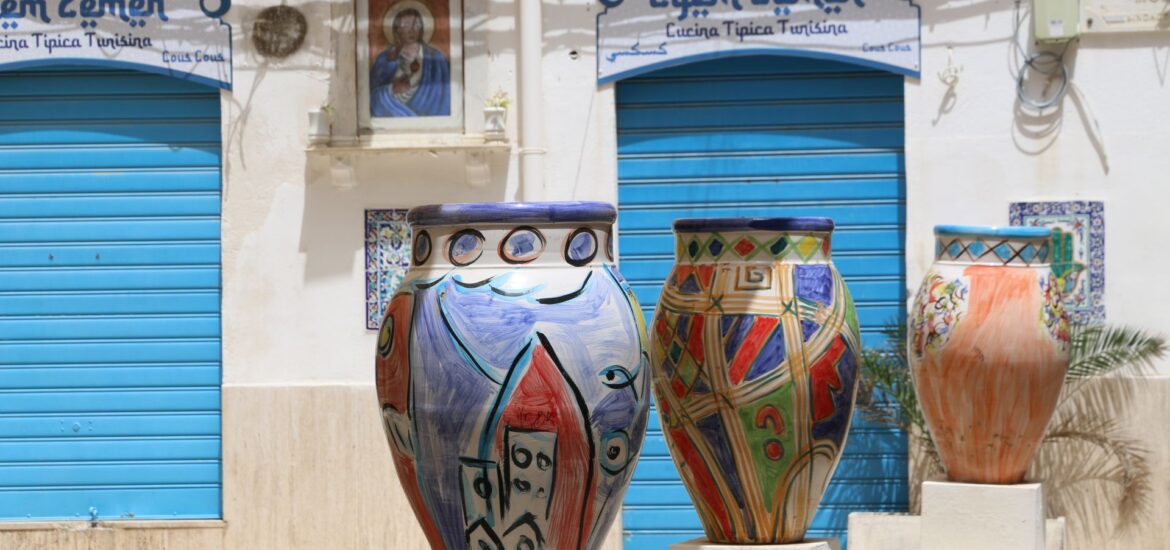
Have you ever heard of Mazara del Vallo, a charming town located on the southwestern coast of Sicily? Founded in the 9th Century BC by the Phoenicians, the town has since been ruled by many empires, including the Greeks, Romans, Arabs, and Normans.
Although Mazara del Vallo is famous for its medieval churches, palaces, street art and the museum of the Dancing Satyr, its highlight is without doubt the Kasbah: the ancient Arab quarter. The labyrinth of narrow streets and passageways gives you the feeling of being in North Africa, and not in Italy. This is hardly surprising, given that over 3,000 Tunisians still live in and around the town today.
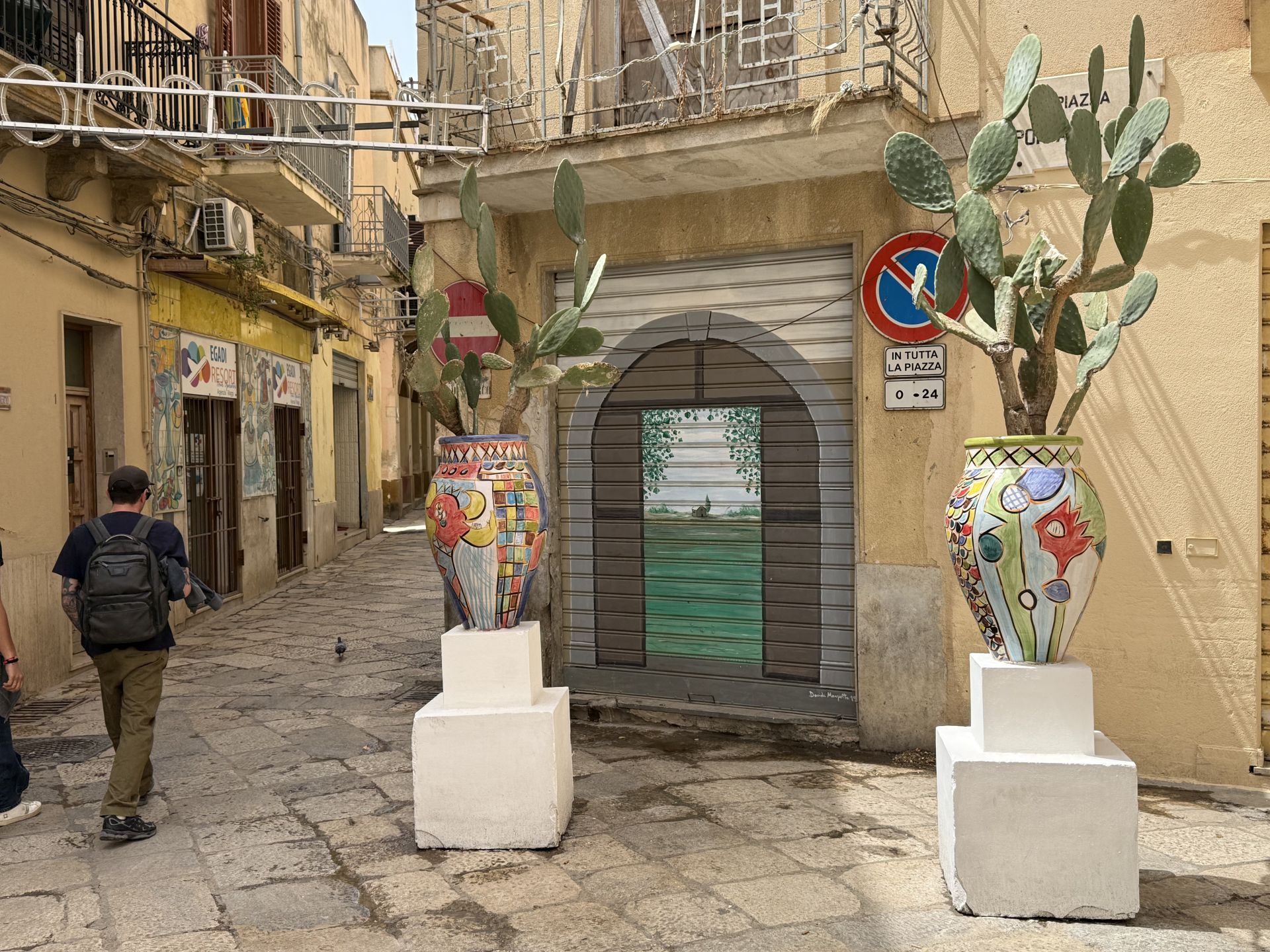
We explored the Kasbah on foot and we just allowed ourselves to simply got lost in the streets and alleys we chose to take. And yes, along the way we discovered picturesque corners, beautiful houses and colorful ceramic tiles depicting the history of the town.
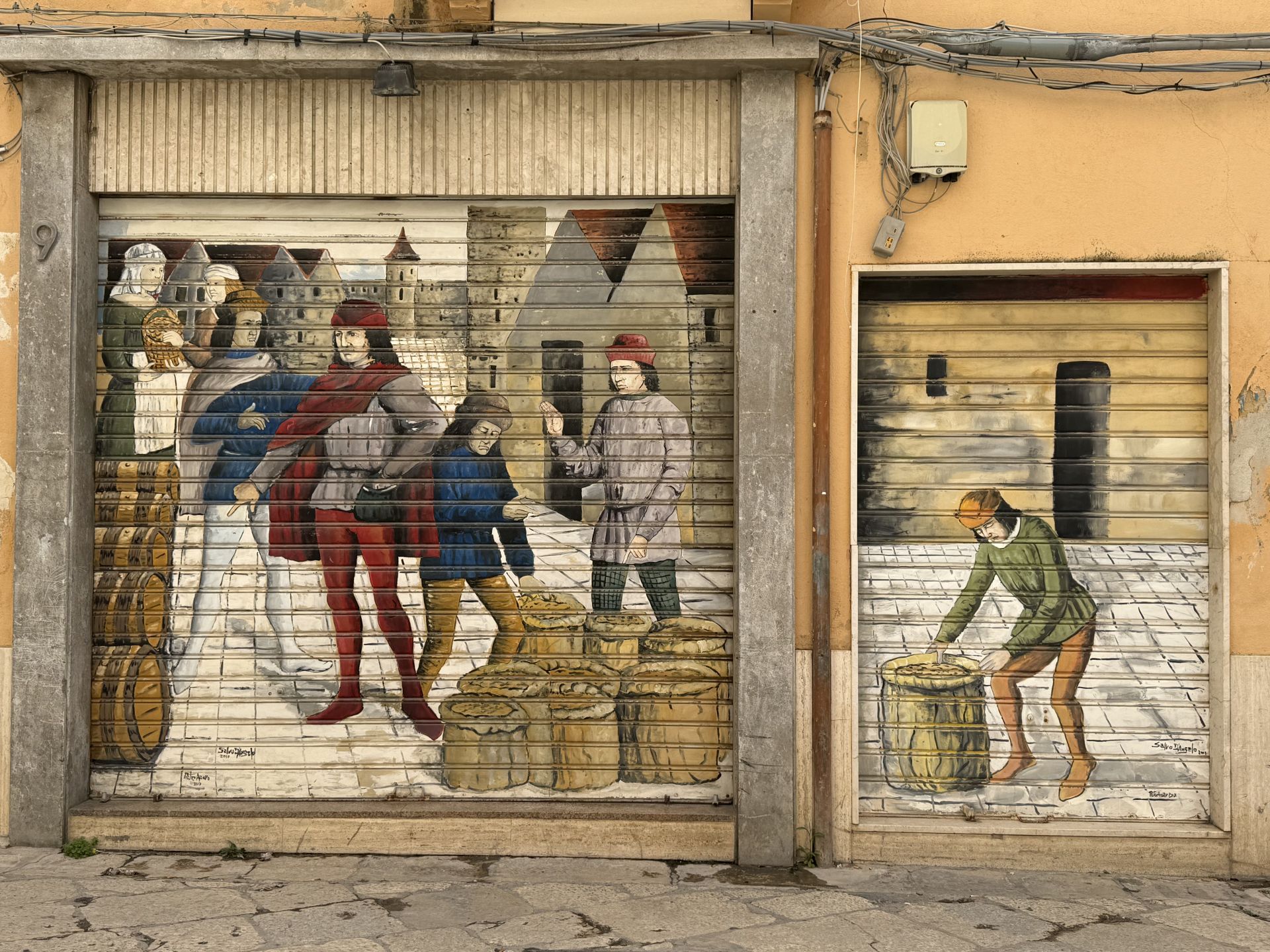
In 2013, a project of urban regeneration began, which was called “Periferica“. We saw these colorful murals everywhere and we were really impressed by the painted roller shutters and maiolica- tiled street art that covered the shopfronts throughout the Kashba quarter. It made Mazara a wonderful place to discover authentic Sicilian life and history.
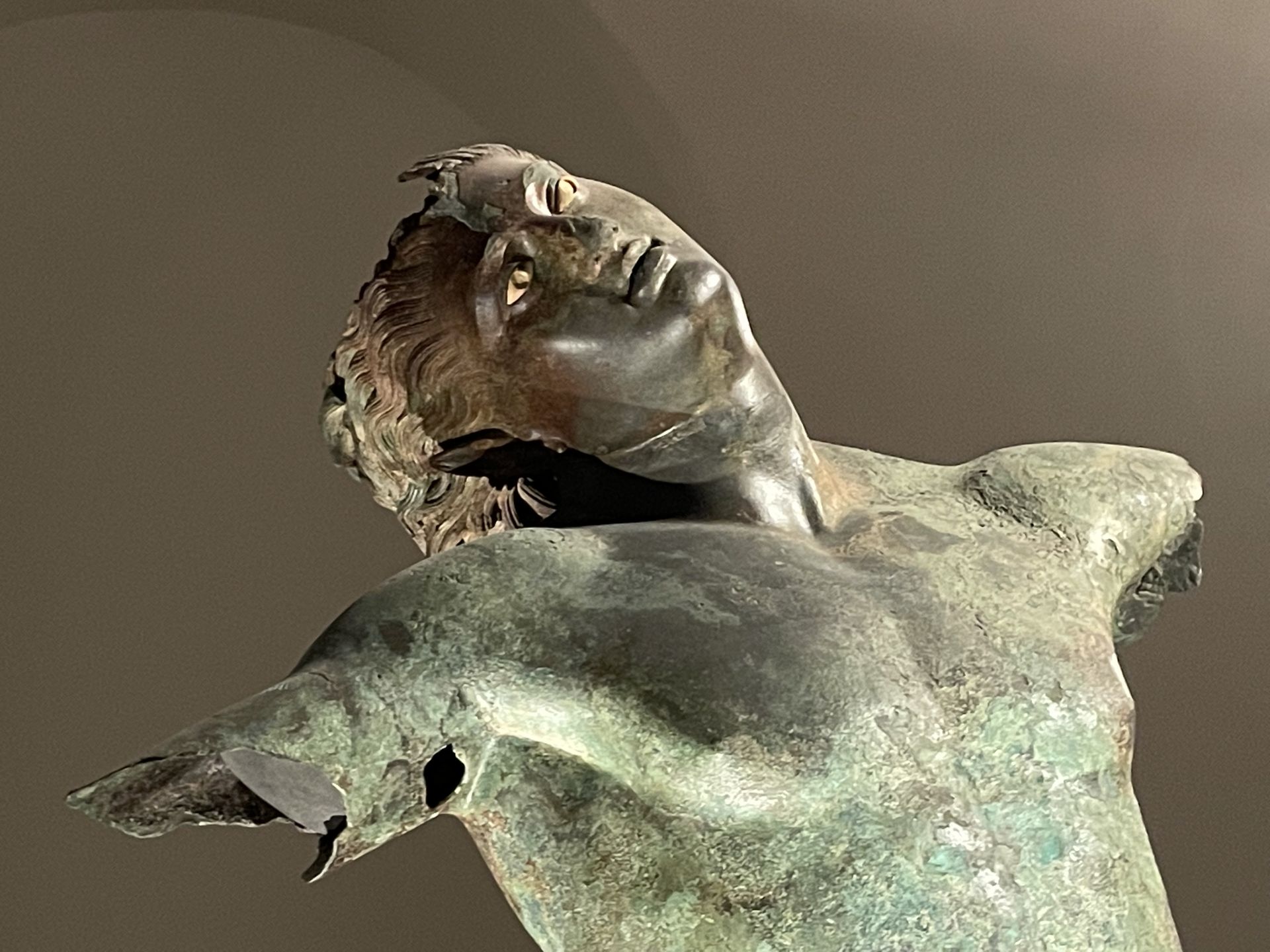
During our walk, we visited the museum of the Dancing Satyr, an ancient Greek bronze statue that was pulled from the sea by local fishermen in 1997. The statue was recovered from a depth of around 500 meters. The statue was sculpted during a dance, with its head thrown back, by the renowned Greek artist Praxiteles. In the museum we also found various other archaeological finds related to Roman civilization, such as coins, weapons and amphorae.
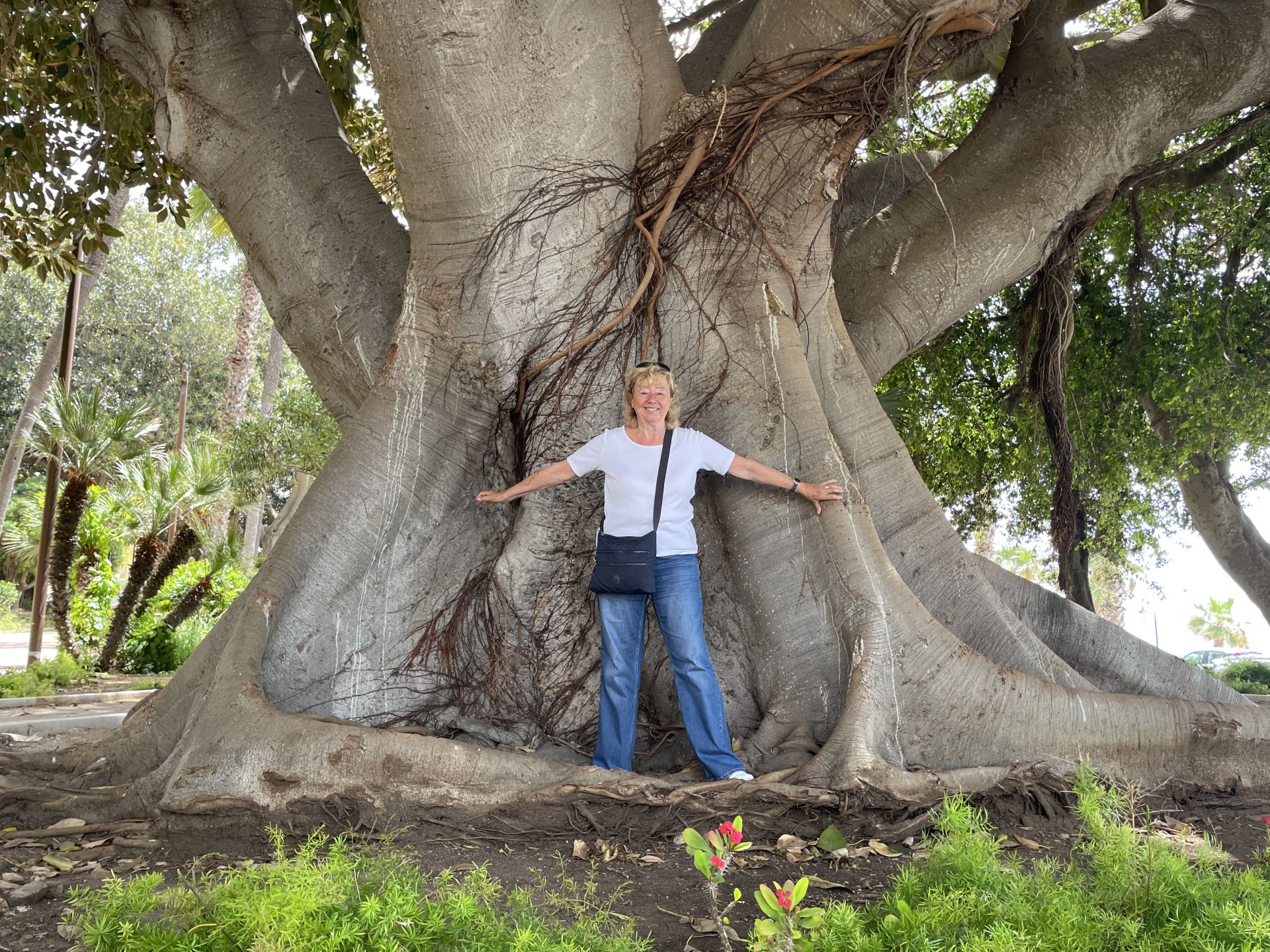
Wandering through Mazara del Vallo, we discovered an variety of fascinating attractions. We took a stroll along the seafront and admired the city park with its massive trees. The picturesque fishing port appeared to be home of the largest fishing fleet in Sicily.
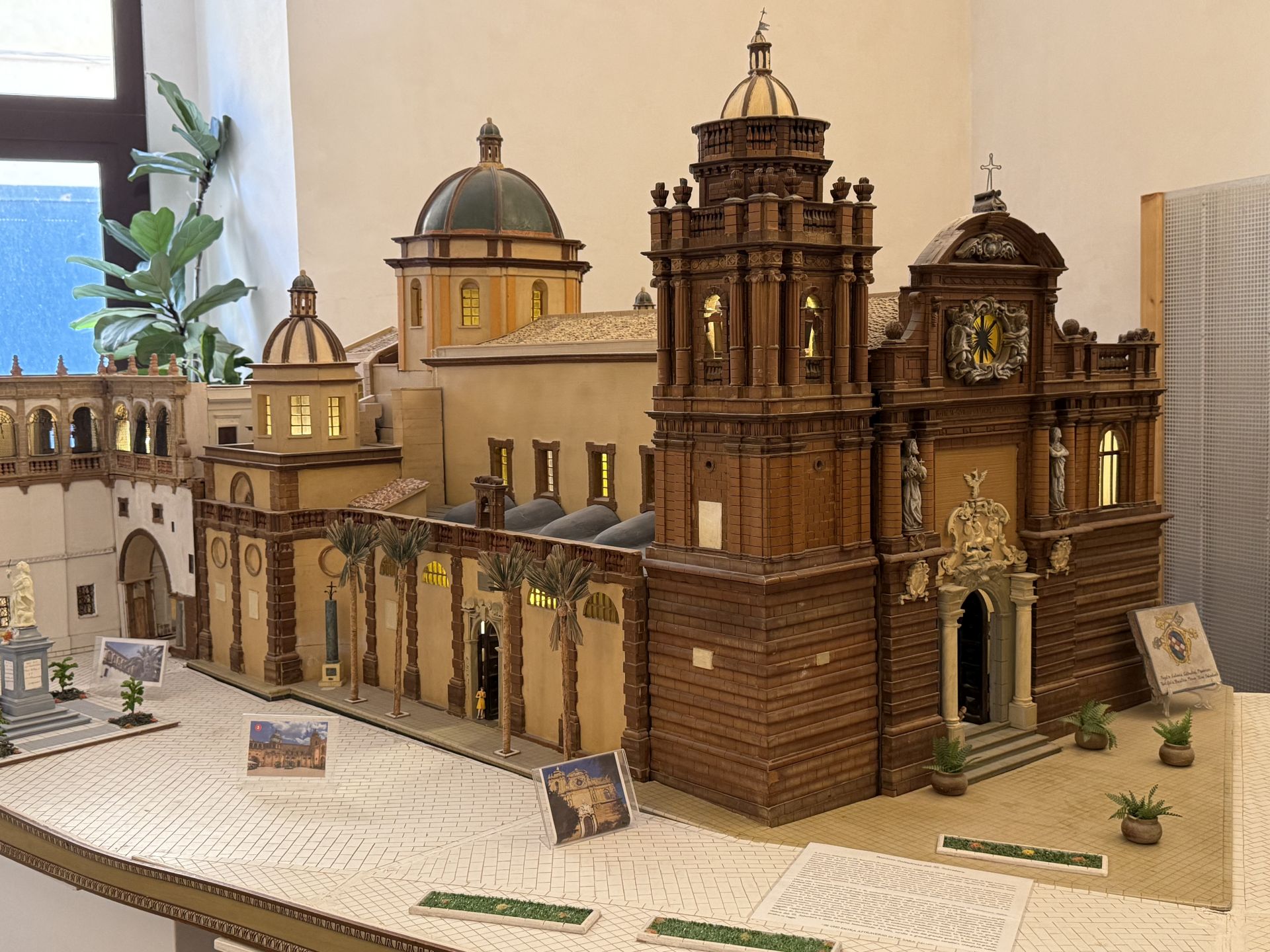
We als visited the Museo delle Miniature, a captivating showcase of miniature replicas that bring the town’s iconic landmarks to life. Created over 35 years by local artist Ignazio Auguanno, these models were crafted entirely from recycled materials.
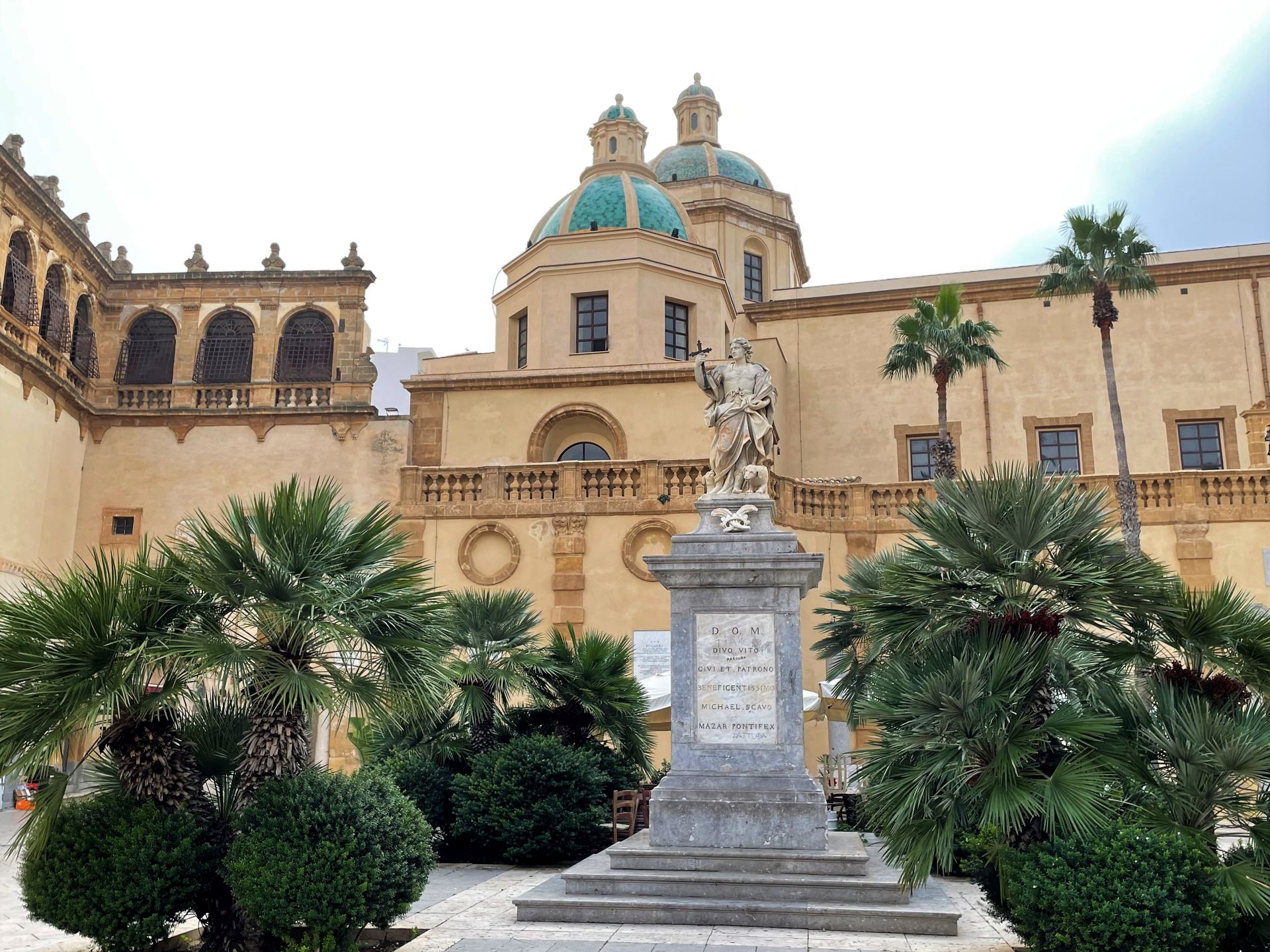
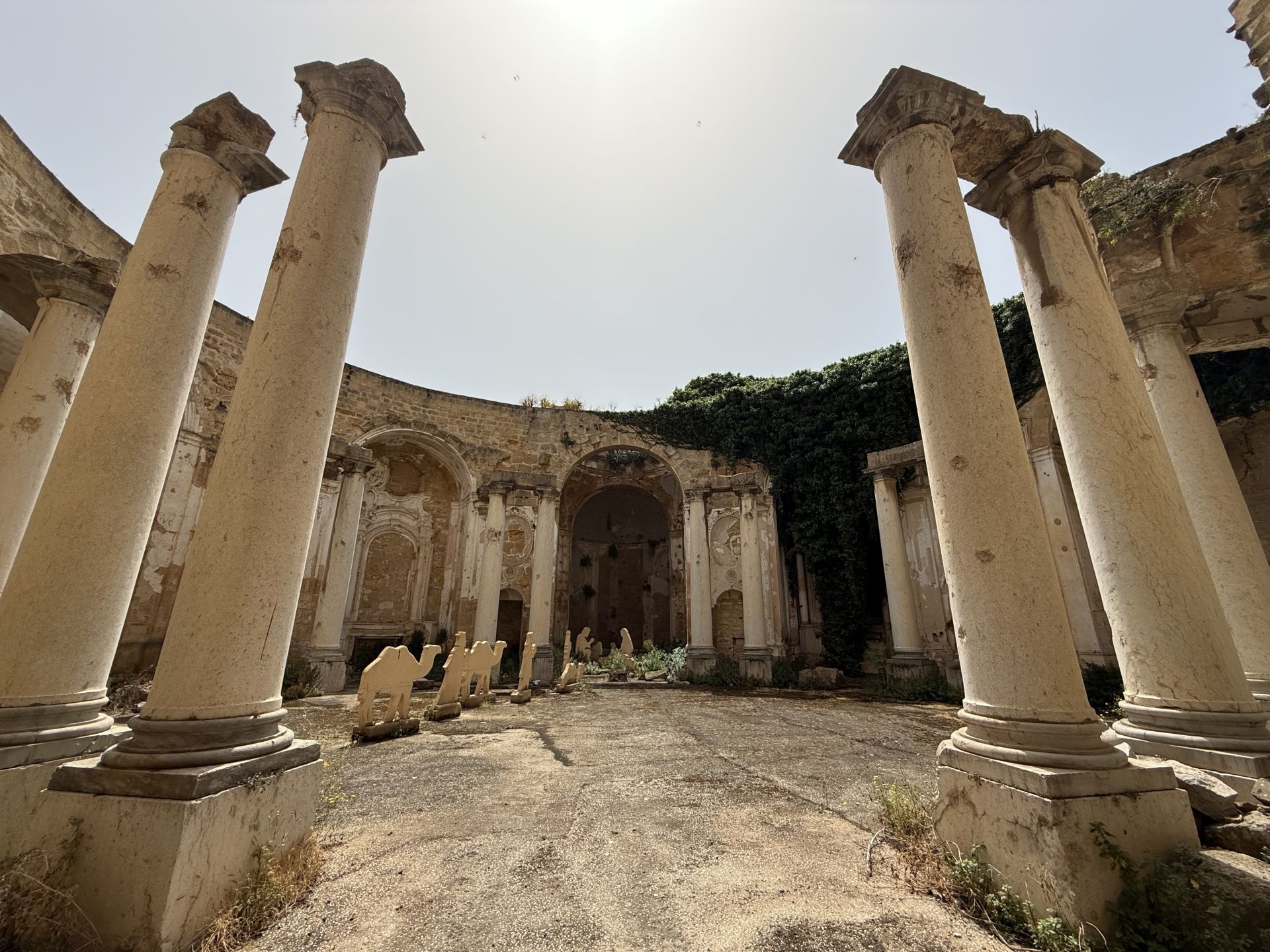
At the end of Piazza della Repubblica stands the impressive Cattedrale del Santissimo Salvatore. Originally constructed by the Normans in 1086, this magnificent cathedral underwent significant renovations during the 16th century, and now emerges in Baroque style. We also admired the Seminary, the Collegio dei Gesuiti with its stunning courtyard and library, as well as the heritage museum Resti della chiesa di S.Ignazio from the 18th century, an oval-shaped ruined church. This museum houses artifacts and architectural elements that were preserved from the historical church.
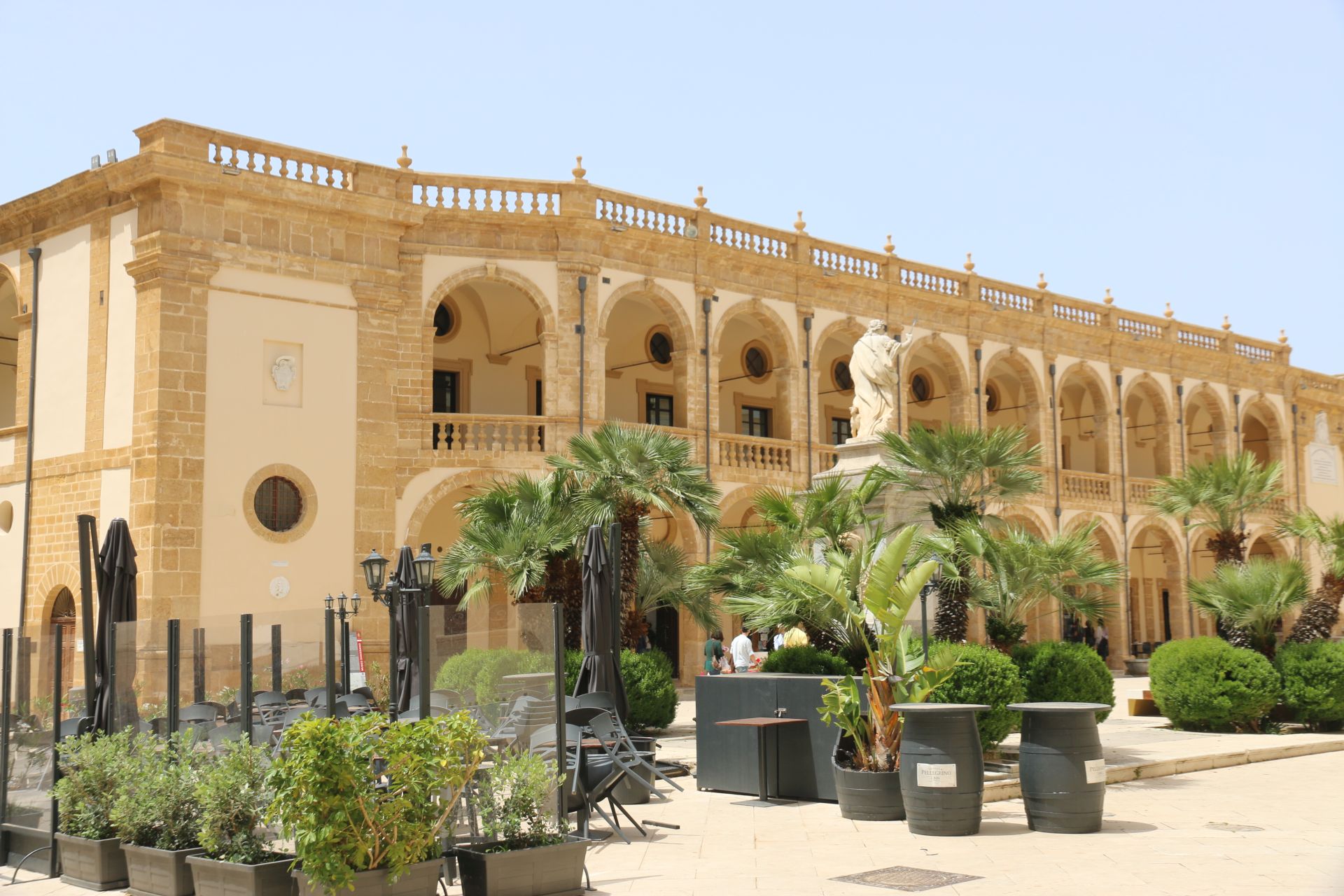
Mazara del Vallo is sometimes referred to as the ‘City of 100 Churches’ and it is not hard to see why. There are churches all across the city and you will find many of them exceptionally beautiful. Although we are not religious, we do appreciate the architecture and facades.
We found other beautiful churches in Mazara del Vallo just by walking through the streets, i.e. the Chiesa di Santa Veneranda and the Chiesa di san Calcedonio, set alongside a beautiful palm-tree lined piazza.
Mazara del Vallo is no doubt a magical place, where history and diverse cultures wonderfully intersect!