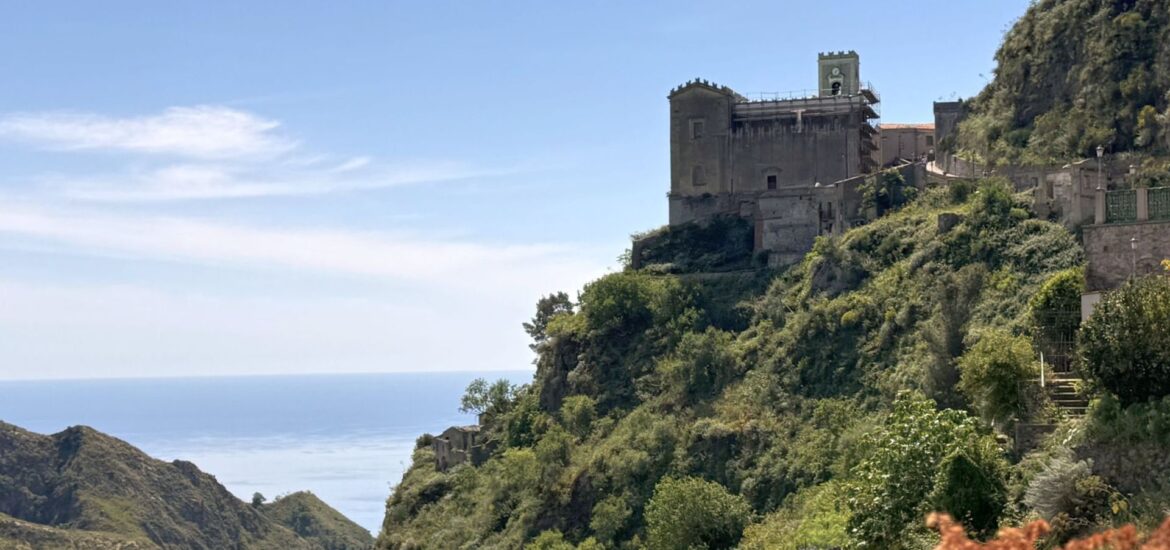
During our third trip to Sicily in May of this year, we made it our mission to explore the hidden gems we had missed during our previous journeys. One of these gems was Savoca, a stunning medieval village in the province of Messina, not far from Taormina. Officially recognized as one of Italy’s Borghi più Belli d’Italia (the most beautiful villages in Italy), it is perched on a rocky double-hill overlooking the Ionian Sea and surrounding citrus groves and vineyards.
The village takes its name from savucu, the local word for the elderberry shrub whose white flowers bloom wildly across the rocky landscape.
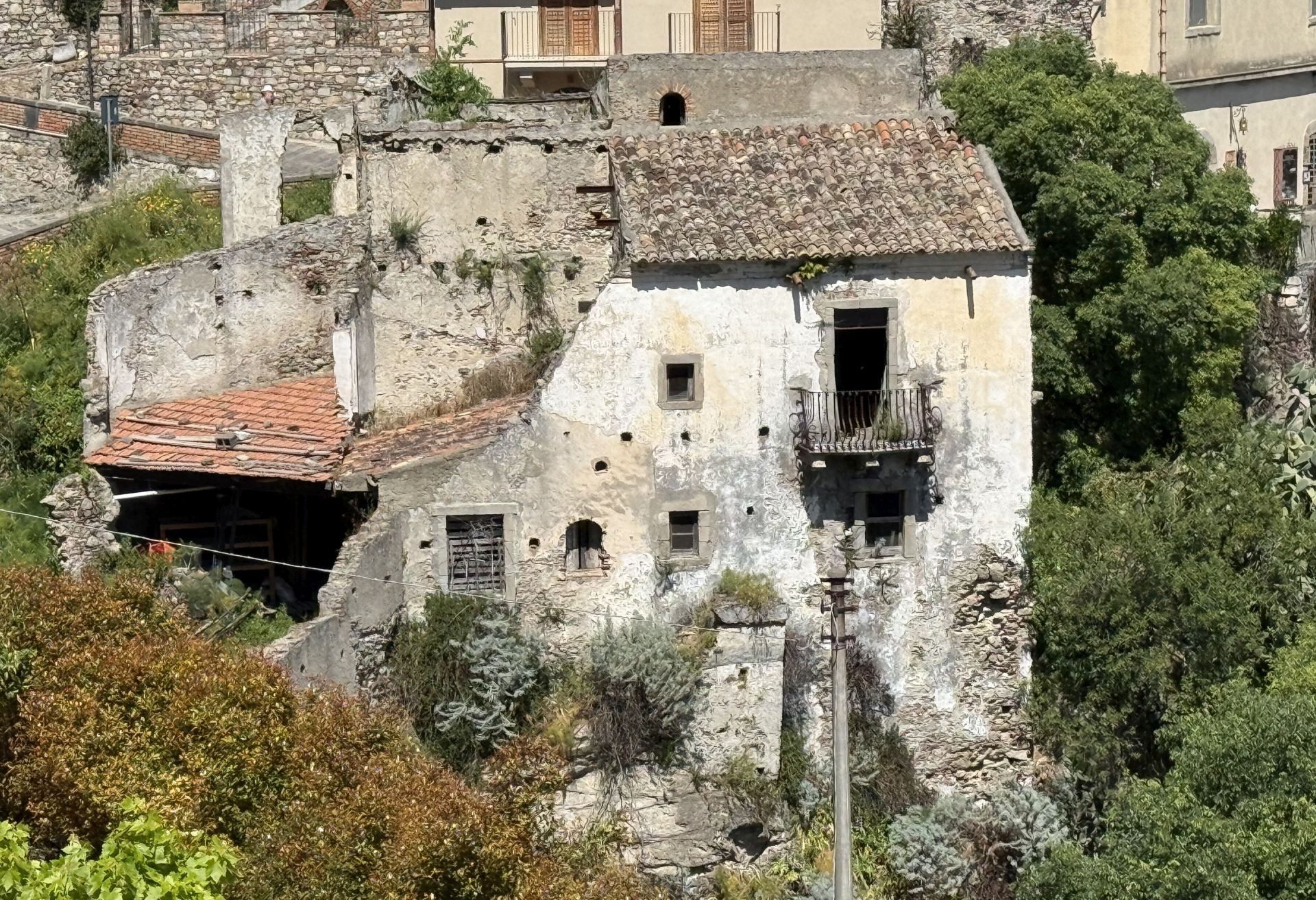
Savoca’s roots are stretching back through Byzantine, Arab and Norman rules. During the medieval period, the Normans fortified the town with defensive walls and a double gateway.
With its medieval architecture and narrow cobblestone streets, Savoca has become famous for serving as a filming location for Francis Ford Coppola’s well-known film The Godfather.
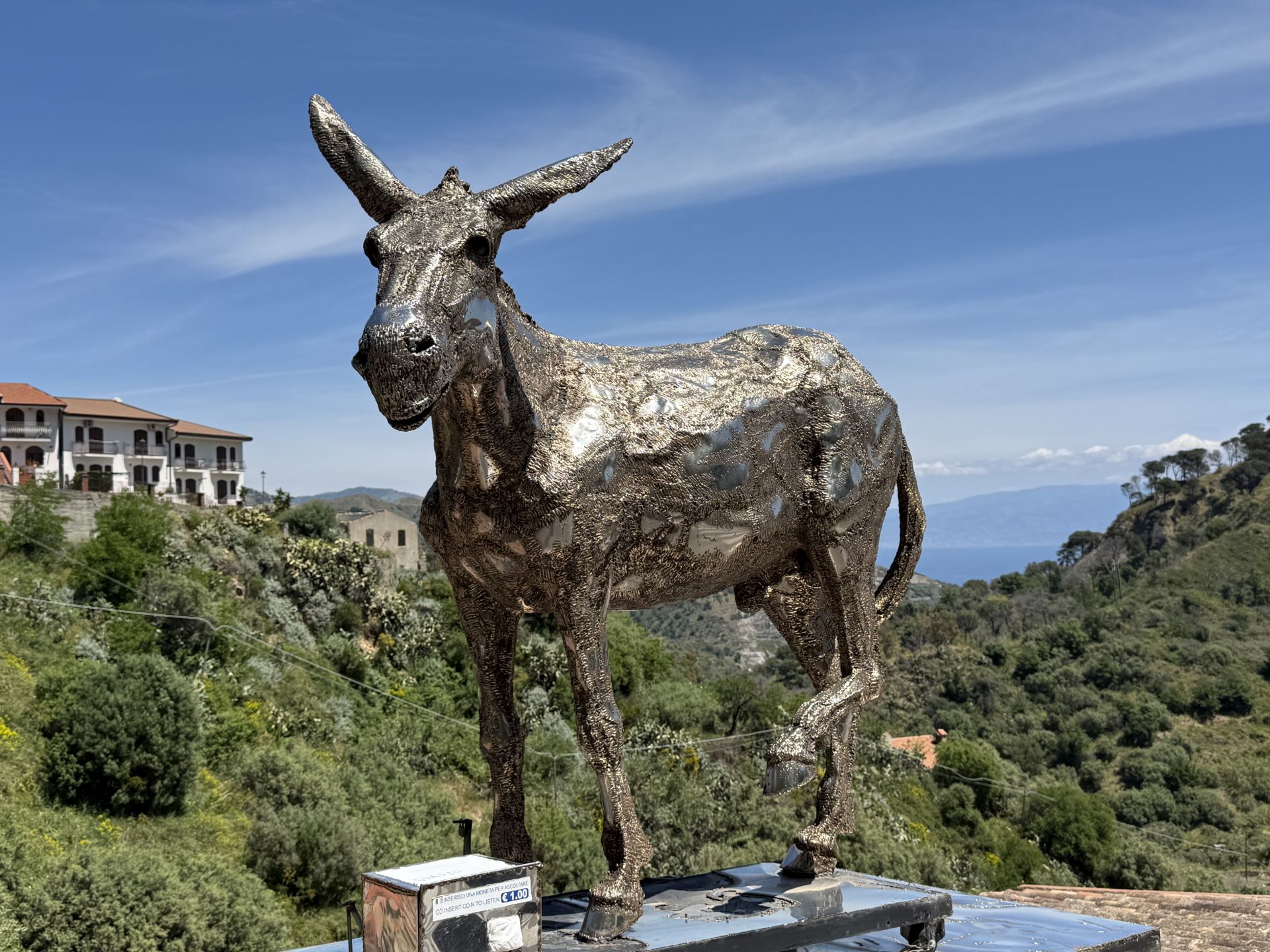
Since Savoca is completely pedestrian-friendly, we left our car at the base of the village. Before even stepping inside, we spotted a striking steel donkey sculpture by Nino Ucchino, a world-renowned local artist master of metalwork.
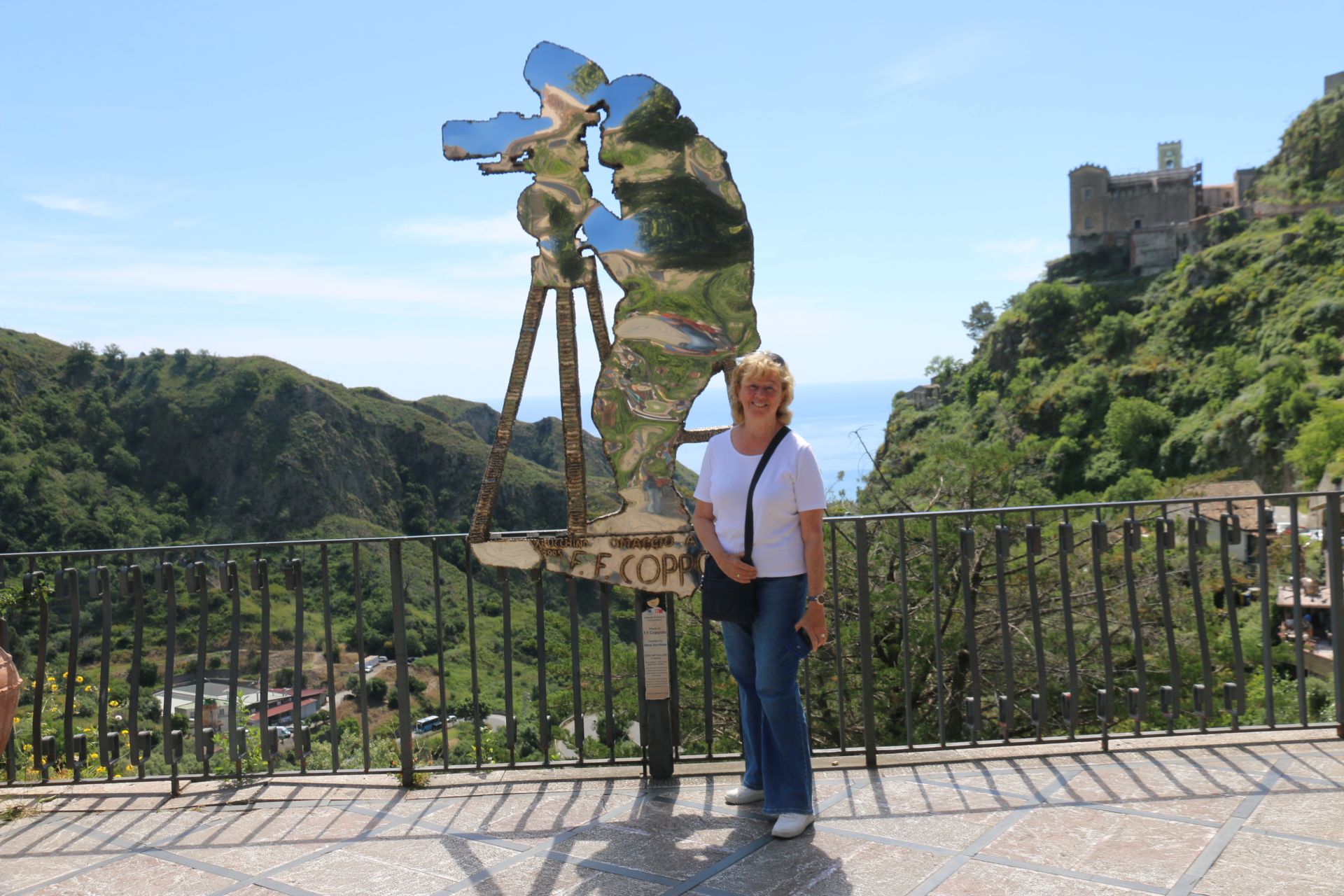
The route to discover all the things to see in Savoca seemed to follow a natural flow, so we started from Piazza Fossia, the main square of the town. Of course, we immediately recognized the installation by Nino Ucchino, a tribute to the director Francis Ford Coppola, who shot some scenes of the first Godfather here.
In Piazza Fossia we also found the Bar Vitelli, a place that every fan of the Godfather trilogy will put at the top of the list of things to do in Savoca. In fact, the famous scenes of the meeting between Michael Corleone and the father of Apollonia, his future wife, were filmed here. The bar is located on the ground floor of one of the most beautiful historical buildings in Savoca: Palazzo Trimarchi, built in the 18th century.
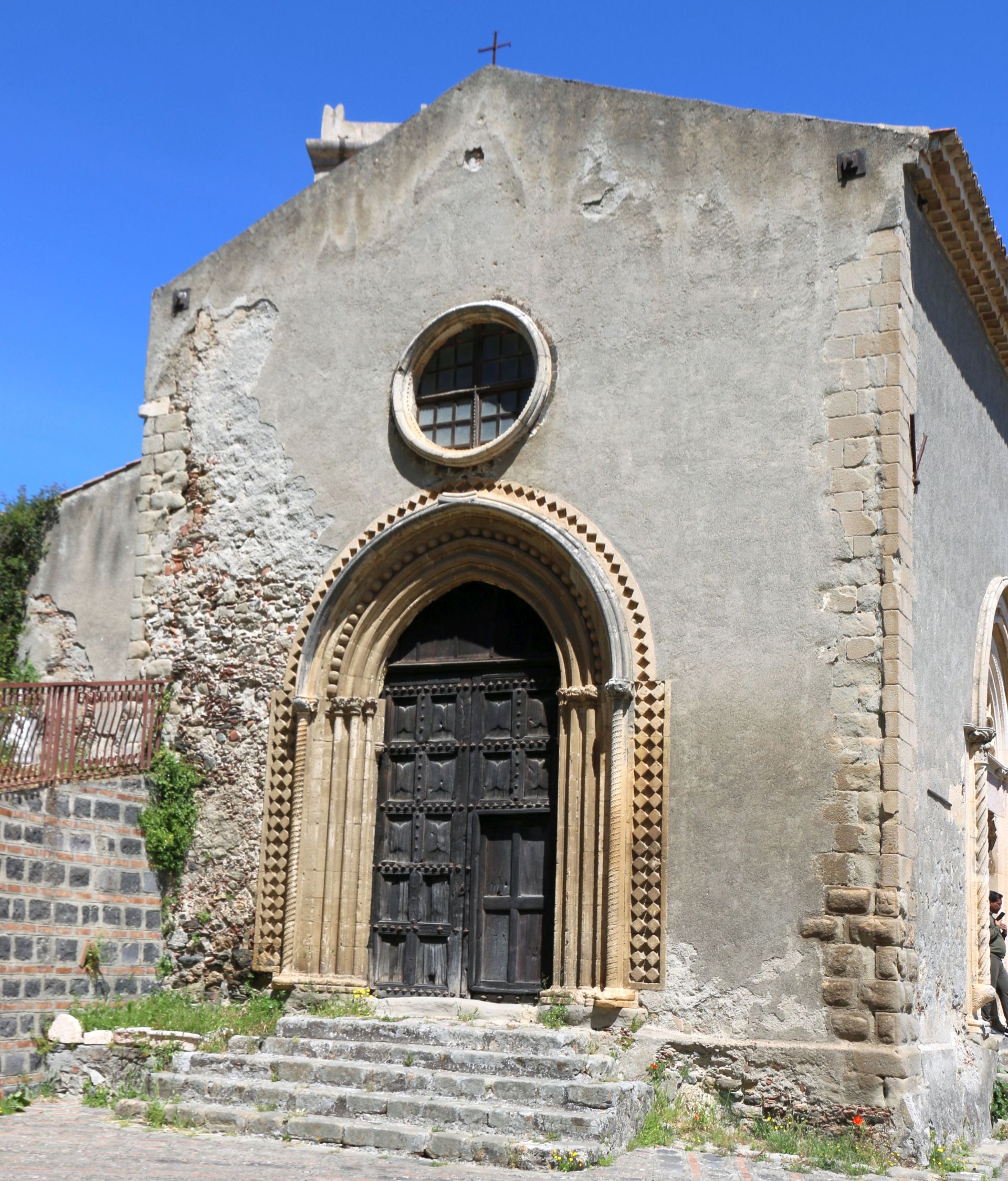
Walking uphill from the main piazza, we passed the city gate that was built by the Normans in the 12th century. The first church we came across was the church of San Michele Arcangelo. Built at the beginning of the 9th century, it was rebuilt in the 15th century in baroque style.
Further along the trail lies the Church of San Nicolò, the second iconic Godfather filming location in town—it’s where Michael and Apollonia’s wedding scene was filmed. Inside is the statue of Santa Lucia, which is carried in procession through the streets of the village each year.
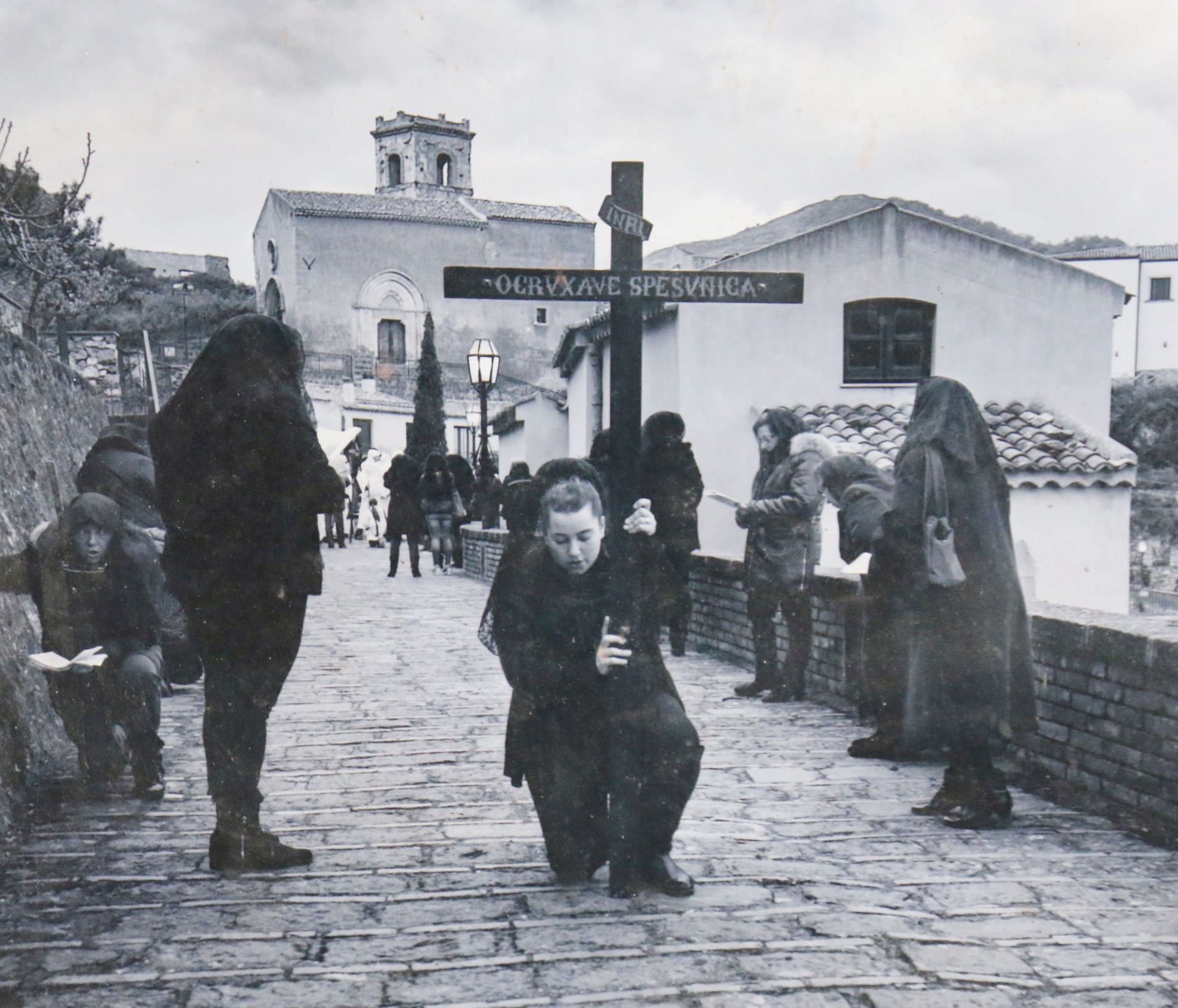
The traditional procession on this day is specifically tied to a penance on knees at the Church of San Michele Arcangelo. According to local tradition, historical sources note that pagans who chose to convert to Christianity had to climb the seven steps of the church’s staircase on their knees as an act of penance before they could receive baptism.
Continuing along the path past small souvenir shops and local bars, we admired the beautiful views of the Ionian Sea and the lush vegetation of the countryside, with its citrus groves, vineyards, and olive groves.
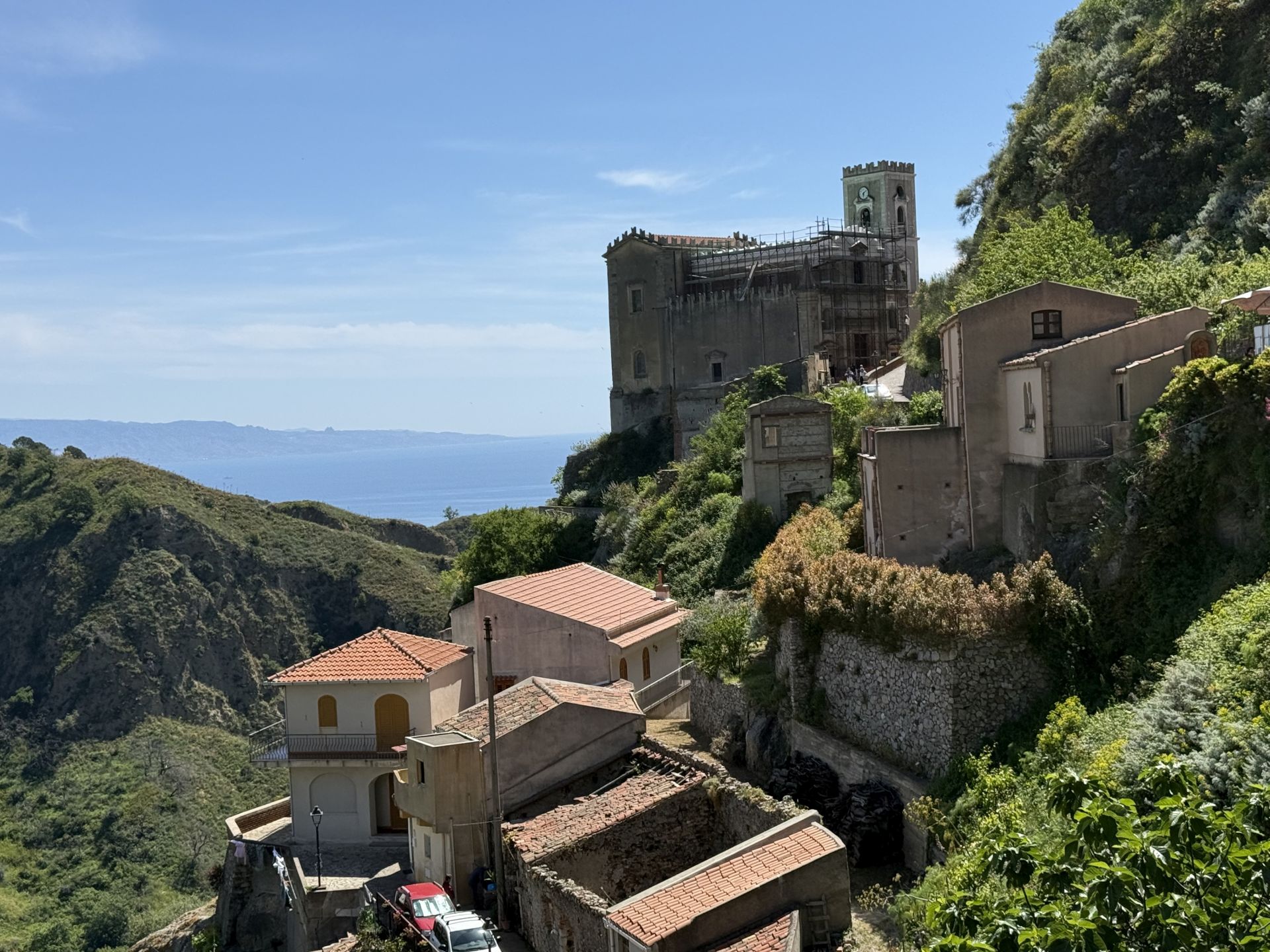
Climbing further we arrived at the Capuchin Convent from the 16th century, the Mother Church of Santa Maria in Cielo Assunta and the church of San Michele – both from the 13th century. We had planned a visit of the convent’s crypt containing the mummified remains of 37 wealthy and powerful people from Savoca, created in the 18th century. What a pity to find that the crypt was closed!
High above the town we saw the skeletal ruins of the Castle of Pentefur, whose origins are shrouded in mystery and legend, with ties varying from Phoenician foundations to medieval royal decrees.
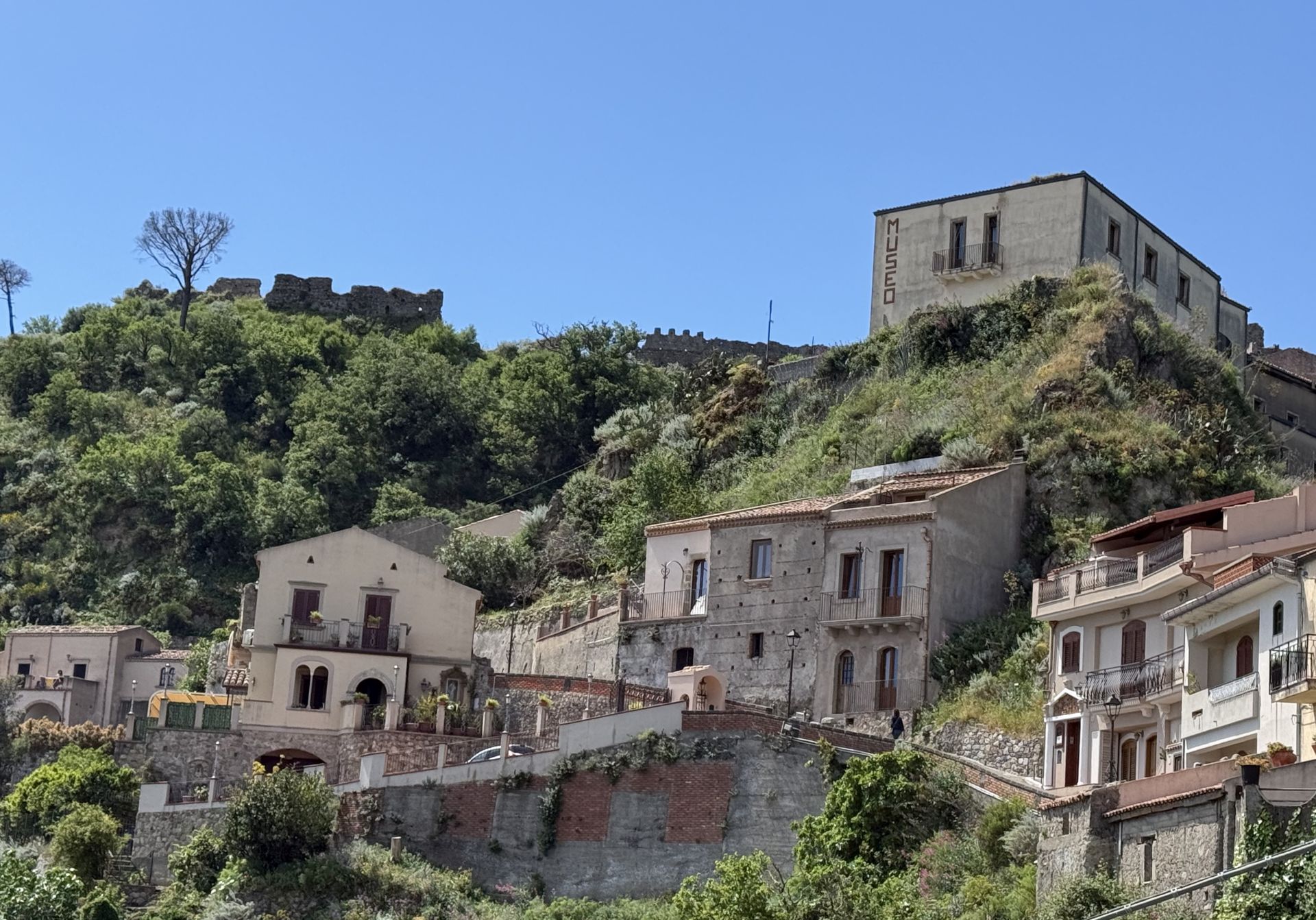
Slowly, we walked back downhill, impressed by this beautiful village and the breathtaking views of the surroundings. No doubt, Savoca effortlessly blends cinematic history with quiet medieval magic – making it an unforgettable stop on our Sicilian road trip.