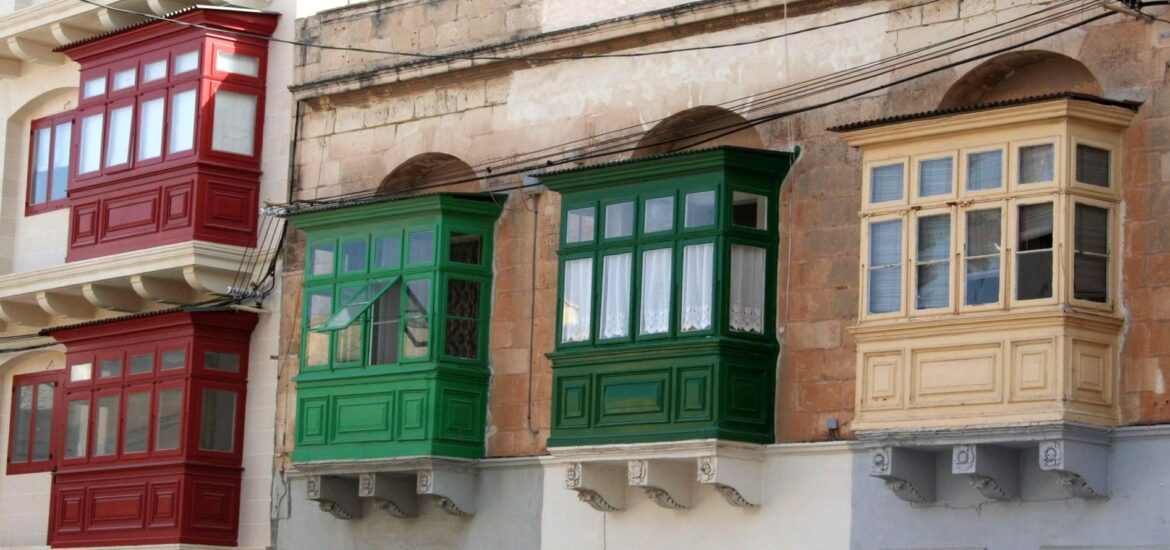
The first thing I noticed when we visited Malta in March were the Maltese balconies. They could be seen on every single home – enclosed, made of wood and in all imaginable colors.
What do the locals say about the origin of the enclosed balconies? Most of them believe that it was Arabic, but some of them also mentioned the influence of the Spanish who ruled Malta between 1182 and 1530.
In reality, this type of balcony was derived from North African, mostly Moroccan, prototypes which derive from the Arabic ‘Muxrabija’, a wooden screened window used by women for ‘seeing without being seen’. During the rule of the Maltese Order, Malta was home to a huge number of Turkish slaves who might have helped to introduce the wooden balcony to Malta.
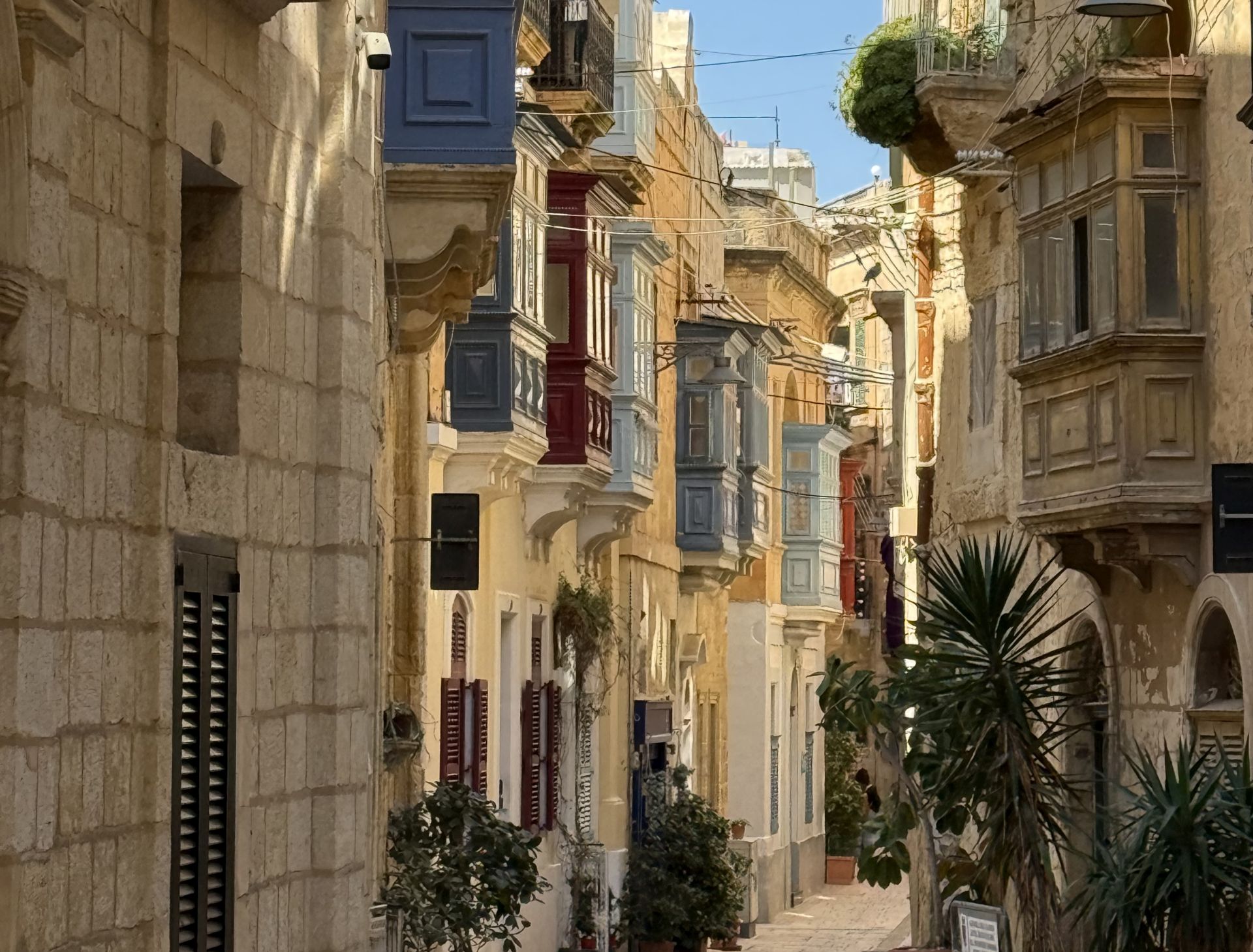
In those times, almost all Maltese women were housewives and they really stayed in the home and didn’t go out. From the balcony they watched the world go, staying out of sight. They could sit behind a ’hidden window’ opening and gaze down to the street below.
By the way, the wooden balconies of Malta (also called ’gallariji’) started to appear during the 17th century and gradually gained popularity. This might have been influenced by the construction of the two big wooden balconies of the Grand Master’s Palace in Valletta, built around 1675. These balconies allowed the ruler to watch the streets in privacy.
Nowadays, the balcony is an excellent place for drying laundry, enjoying a good book, keeping plants or storing things.
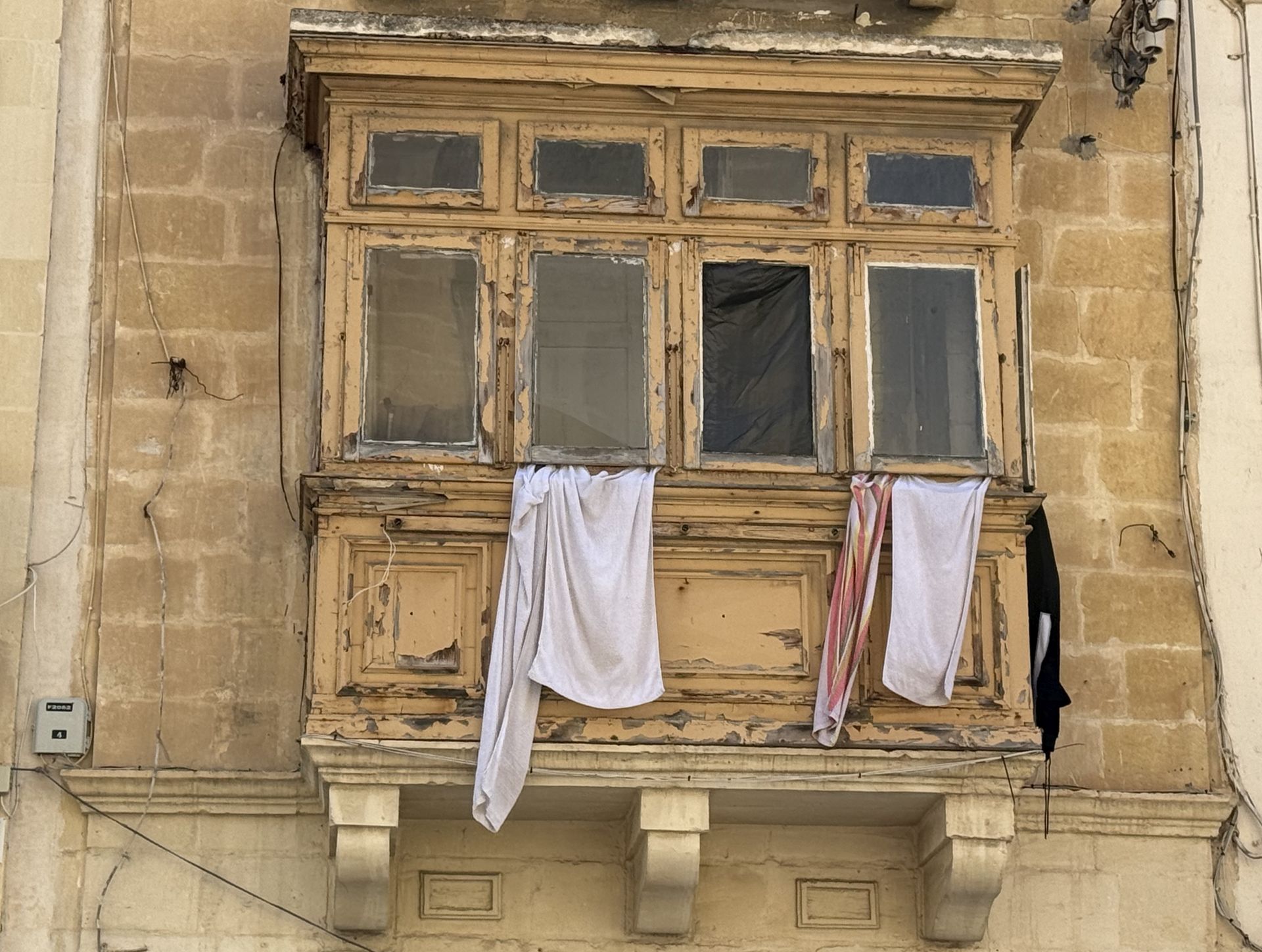
It is interesting to know that the government has started an urban regeneration program by which they lend financial support to those people who restore the wooden balconies on their homes. A good idea indeed!
Maltese door knockers, known locally as il-ħabbata, are iconic, ornate metal fixtures that historically symbolized a household’s wealth, status and family pride. Common in historic areas like Mdina and Valletta, these artisan-crafted brass or iron pieces often feature marine motifs (dolphins, seahorses), the Maltese cross, lion heads and the protective hand of Fatima..
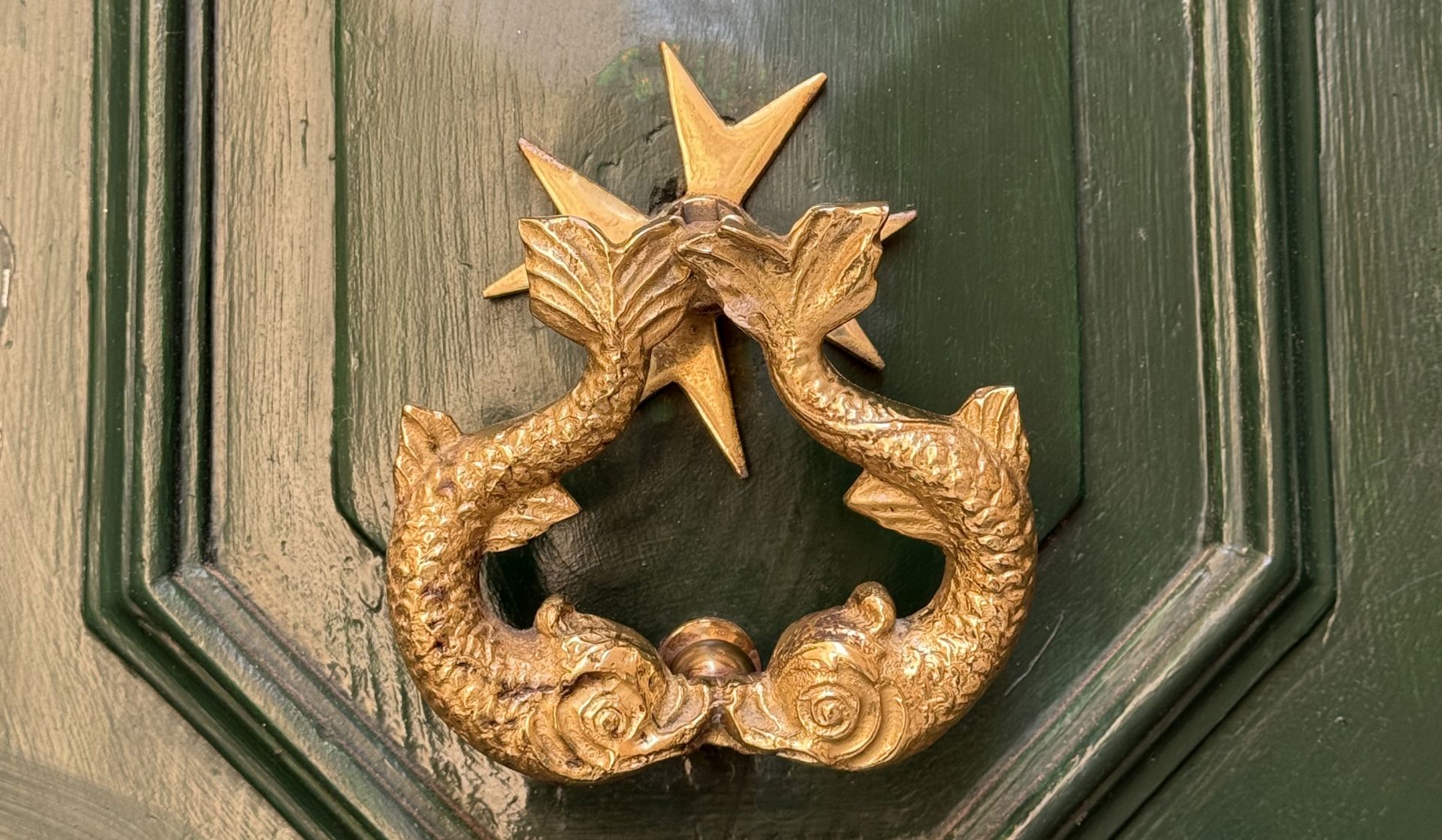
By the 18th and 19th centuries, the knockers became a symbol or wealth and family pride. The shinier and more elaborate the knocker, the wealthier the household – if the knocker was well-polished, this meant that the household was kept clean and employed a maid. No need to cue the village gossip if it was dirty and dull…. Simple households opted for modest designs: just a ring in iron or brass. In times of mourning, the door knocker was removed to signal a death in the house.
We found most knockers in Valletta and Mdina and we really enjoyed spotting them – each one had a story to tell.
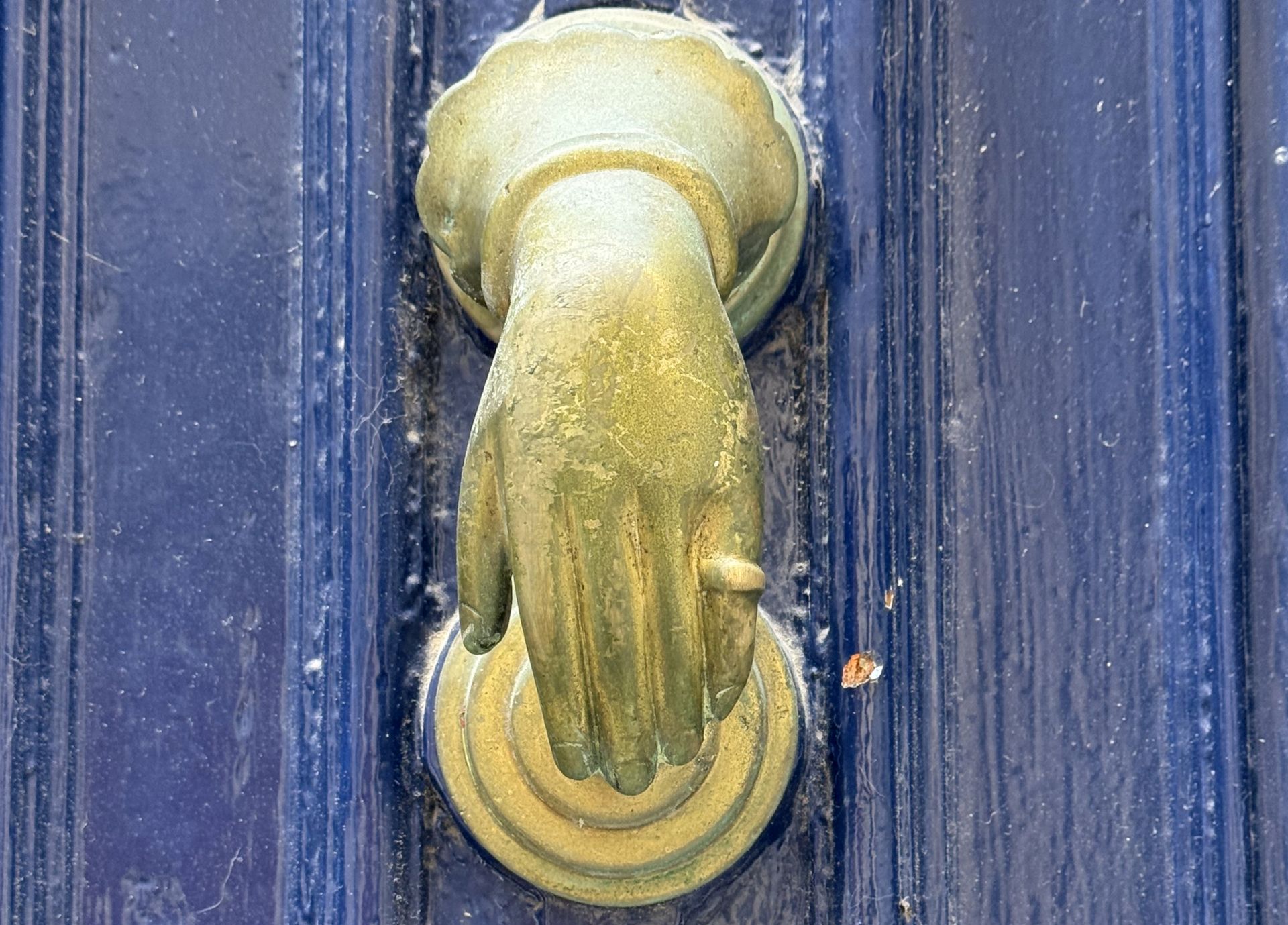
Thus we saw the hand of Fatima, which is said to have originated in Muslim countries. It is believed to ward off evil and protect the home. We also discovered sea creatures: dolphins, sea horses and fish, witnessing Malta’s long relationship with the sea.
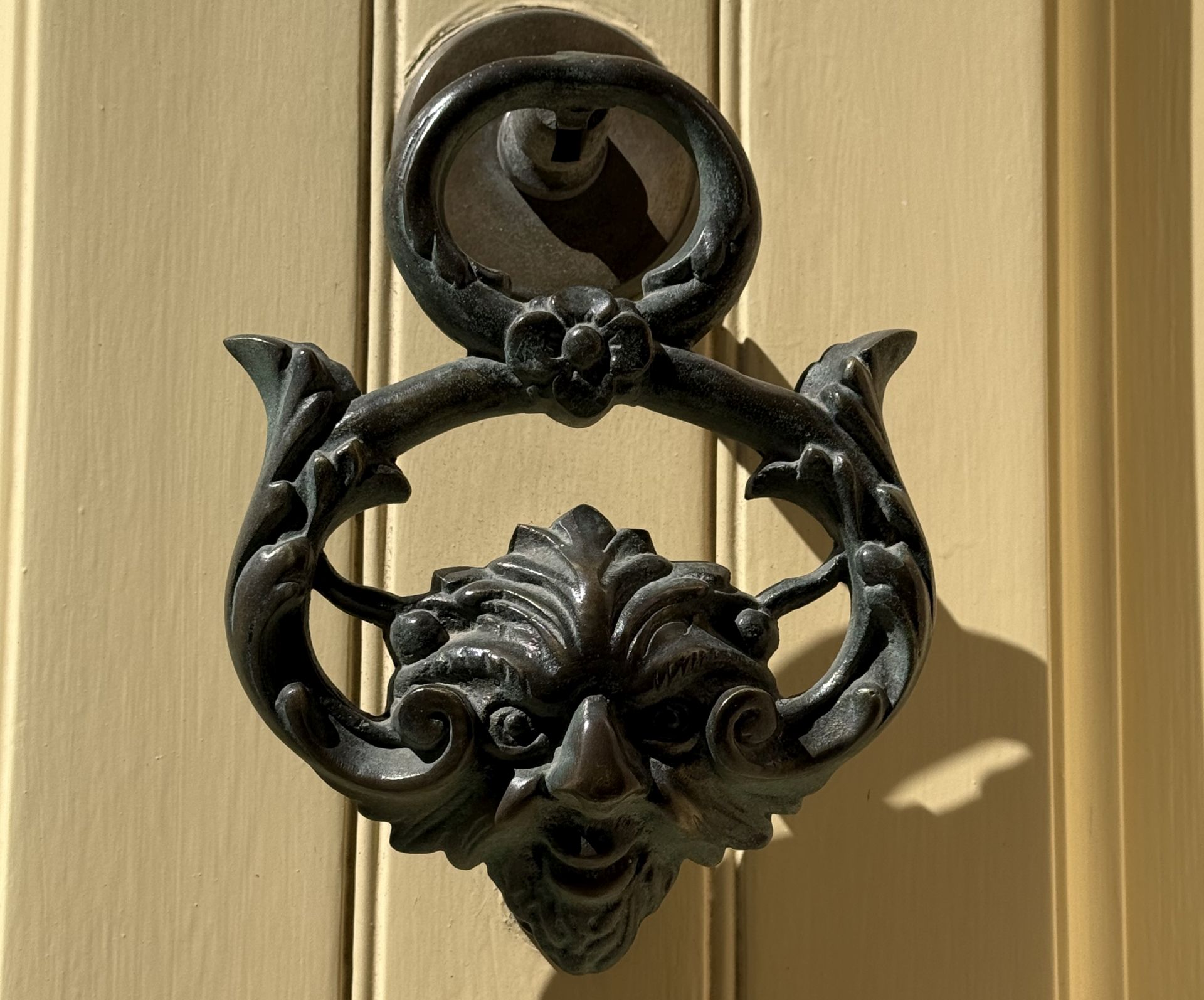
Many knockers were in the form of a lion’s head gripping a heavy ring in its jaws. But also eagles, elephants or more exotic animals could be seen on some doors. Some knockers depicted saints and cherubs or devil heads meant to scare off evil spirits. And what about human faces? Some of them featured noblemen and mythological figures.
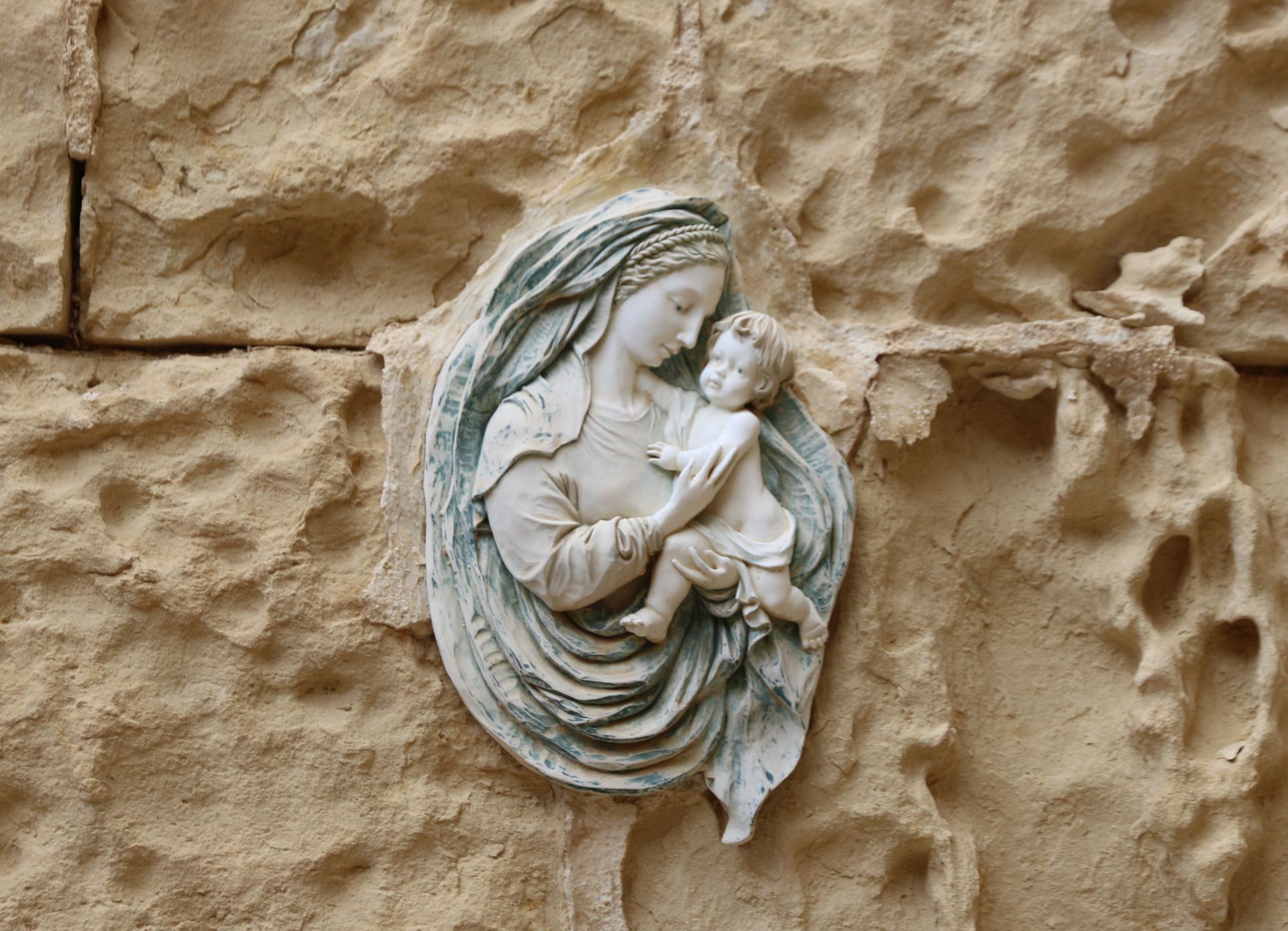
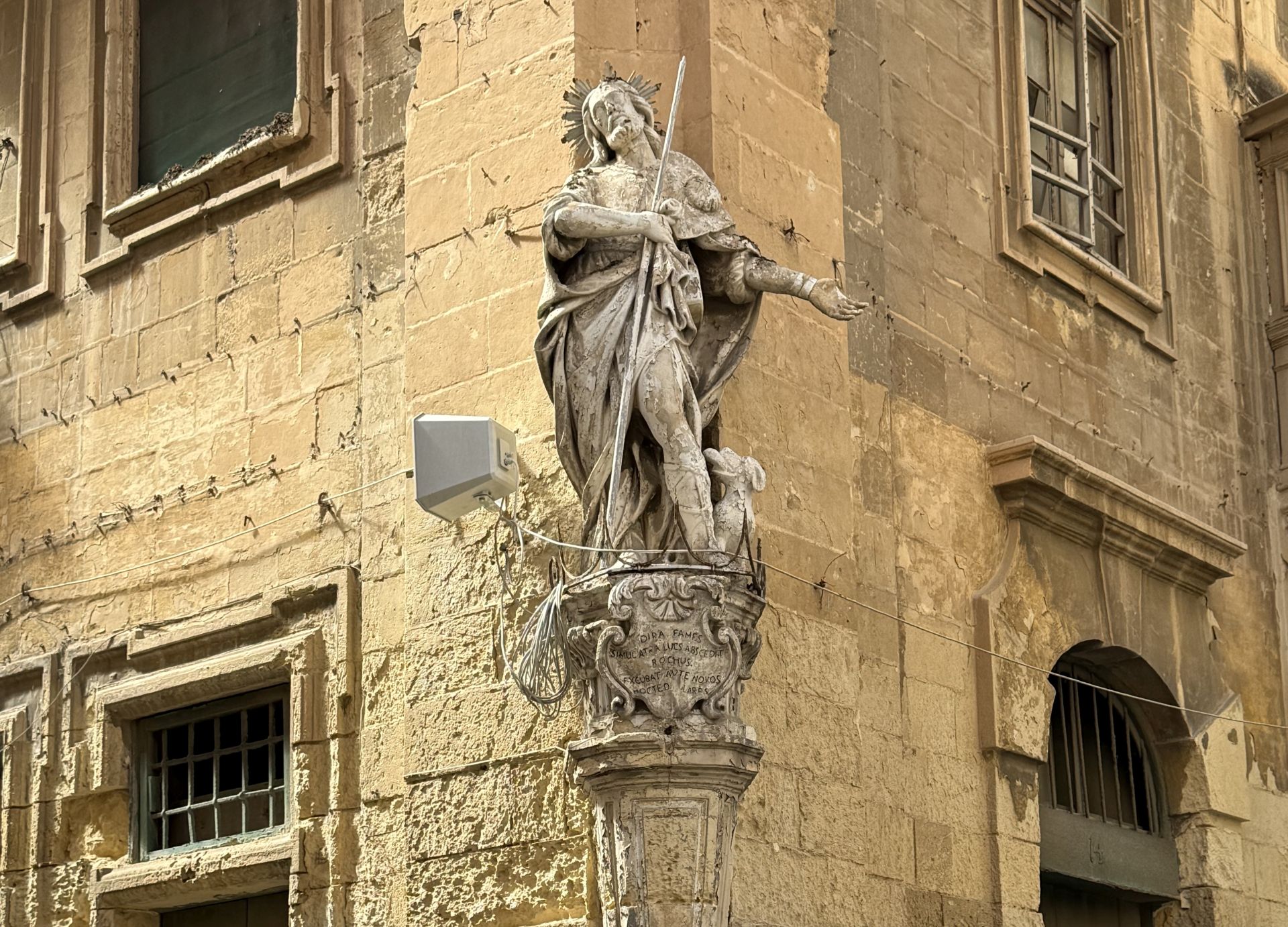
Religion plays an important role in Maltese culture and tradition. There are over 360 churches in the country. The presence of faith is also evident in the streets and integrated onto the homes of the Maltese people in form of small plaques, figures and ornaments depicting saints.
The charming plaques and statues are mostly placed next to the front door. At many corners of building blocks we also discovered impressive religious sculptures.
Malta is a small island, mostly known for its beach tourism. However, it shows a lot of typical features that make the country a very nice place for culture and history lovers as well!