Spring is in the air! Time for a weekend trip!
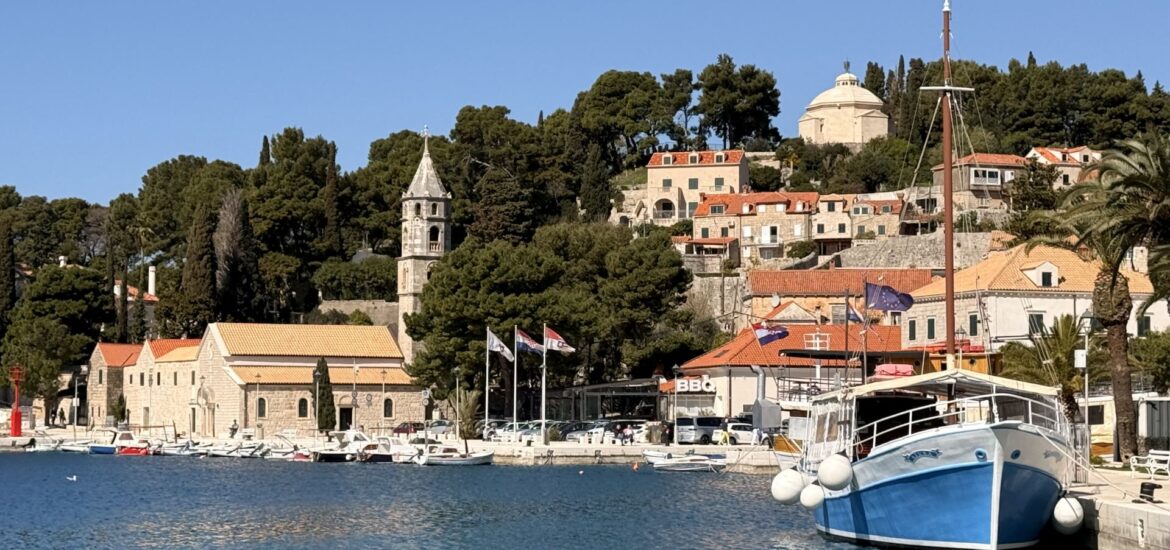
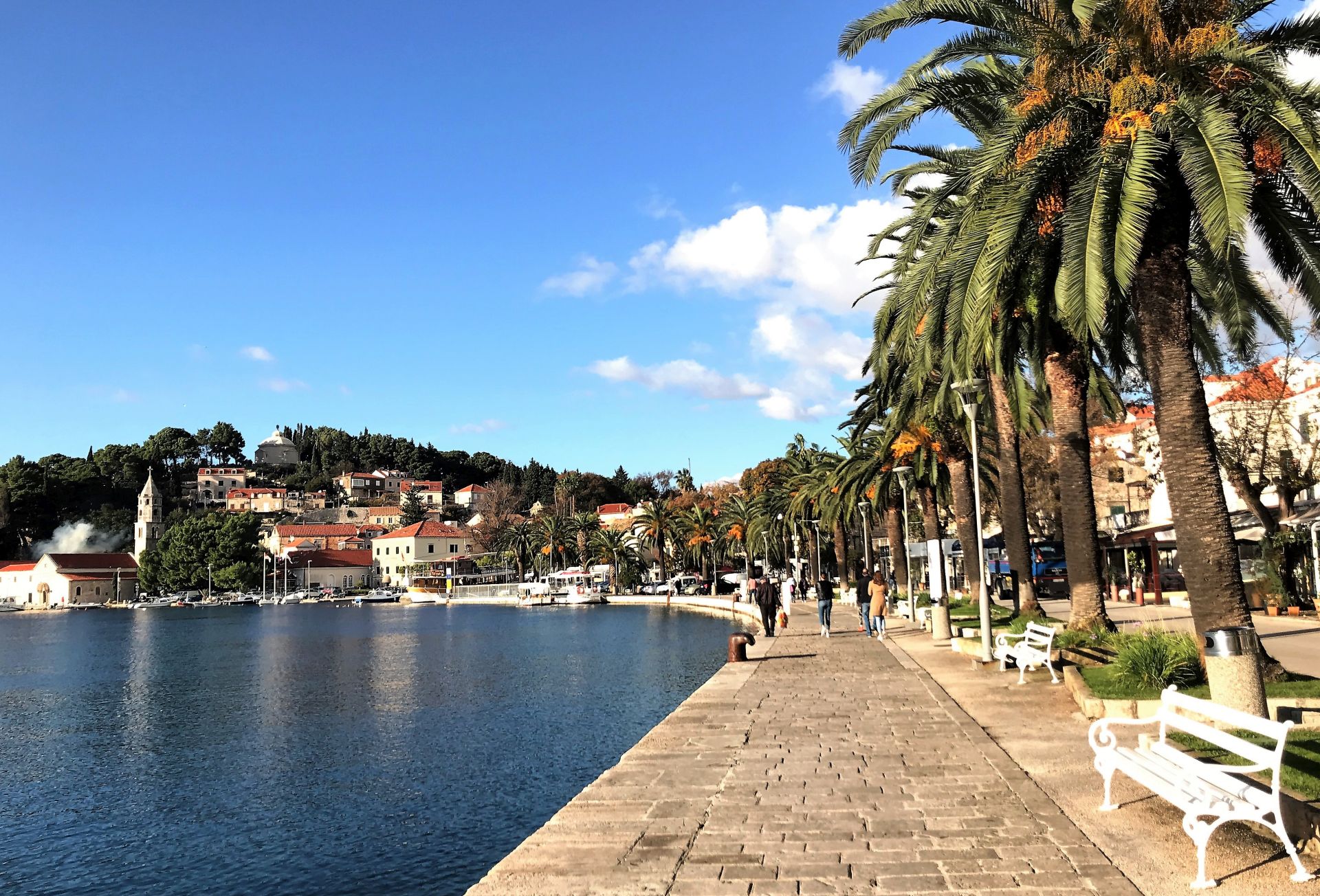
This weekend we decided to visit Cavtat, a small coastal town in Croatia between Dubrovnik (20 km) and the Montenegrin border (22 km). The town is located on the horseshoe-shaped Tija bay, defined by two long peninsulas covered in pine forests with a beautiful palm-lined promenade in between.
Cavtat was founded as a Greek colony in the 4th century BC as Epidaurus. When the settlement came under Roman control, in 228 BC, it was renamed Epidaurum. The town was destroyed by Avars and Slavs who invaded the area in the 7th century.
The Croatian name is derived from Civitus Vetus, which means old city in Latin language
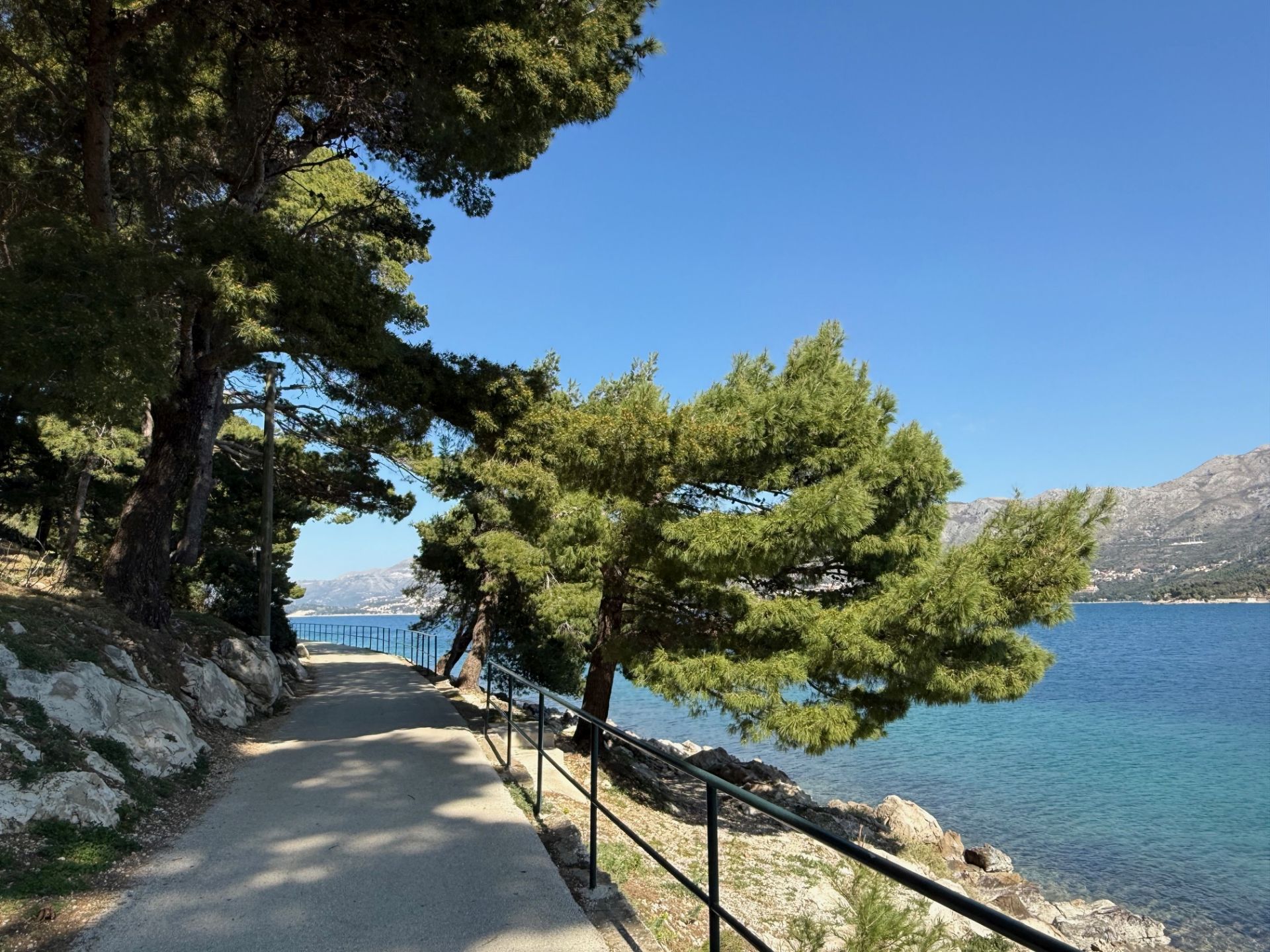
Cavtat offers plenty of amenities: a spacious parking lot, a wonderful walking trail along the coast line, picturesque streets with historic buildings, good seafood restaurants, attractive beaches and a nice waterfront promenade.
We parked our car at the parking lot (€ 2.00 per hour) and took a walk along the beautiful walking trail, enjoying the impressive view of the coast line and the picturesque pine trees and rocky beaches. The trail circles the perimeter of the Rat Peninsula and the whole walk took us around half an hour.
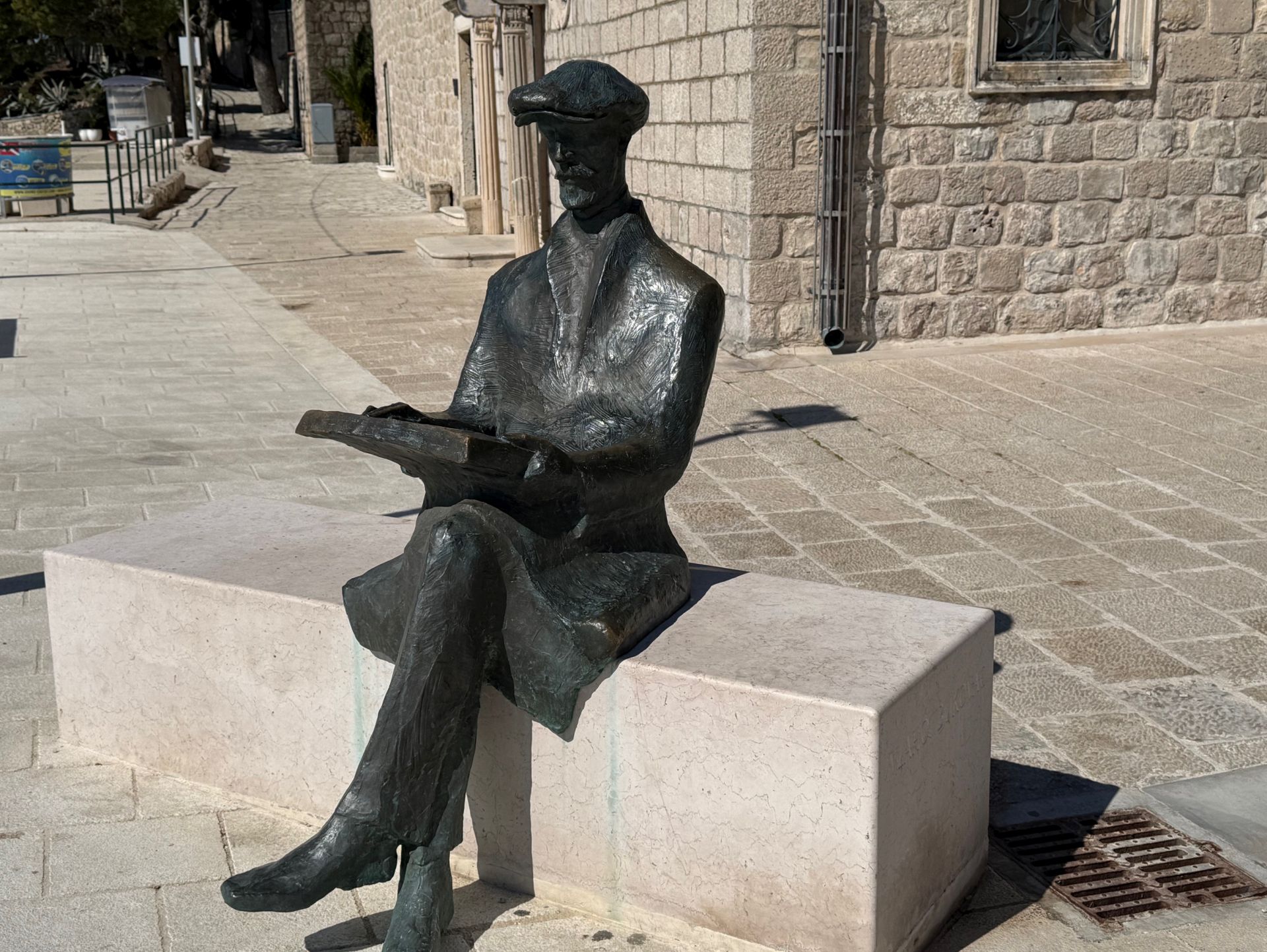
Arriving at the northernmost end of Cavtat harbor, we passed by the Franciscan ’Our Lady of the Snow’ Monastery built in 1484. In front of the monastery was a nice statue of Croatian painter and academic Vlaho Bukovac who was born in Cavtat in 1855. Unfortunately, we could not visit his birth house, the House of Bukovac Museum, as it was closed.
Perched on the highest point of the Rat Peninsula, above the monastery, we saw the striking white Mausoleum of the Račić family with the St. Rocco cemetery. By the way, Ivo Račić was a sailor and shipping entrepreneur who died tragically in 1919 from the Spanish flue, together with his two children. His widow Marija commissioned the famous sculptor Ivan Meštrović to design a mausoleum, which was finished in 1921.
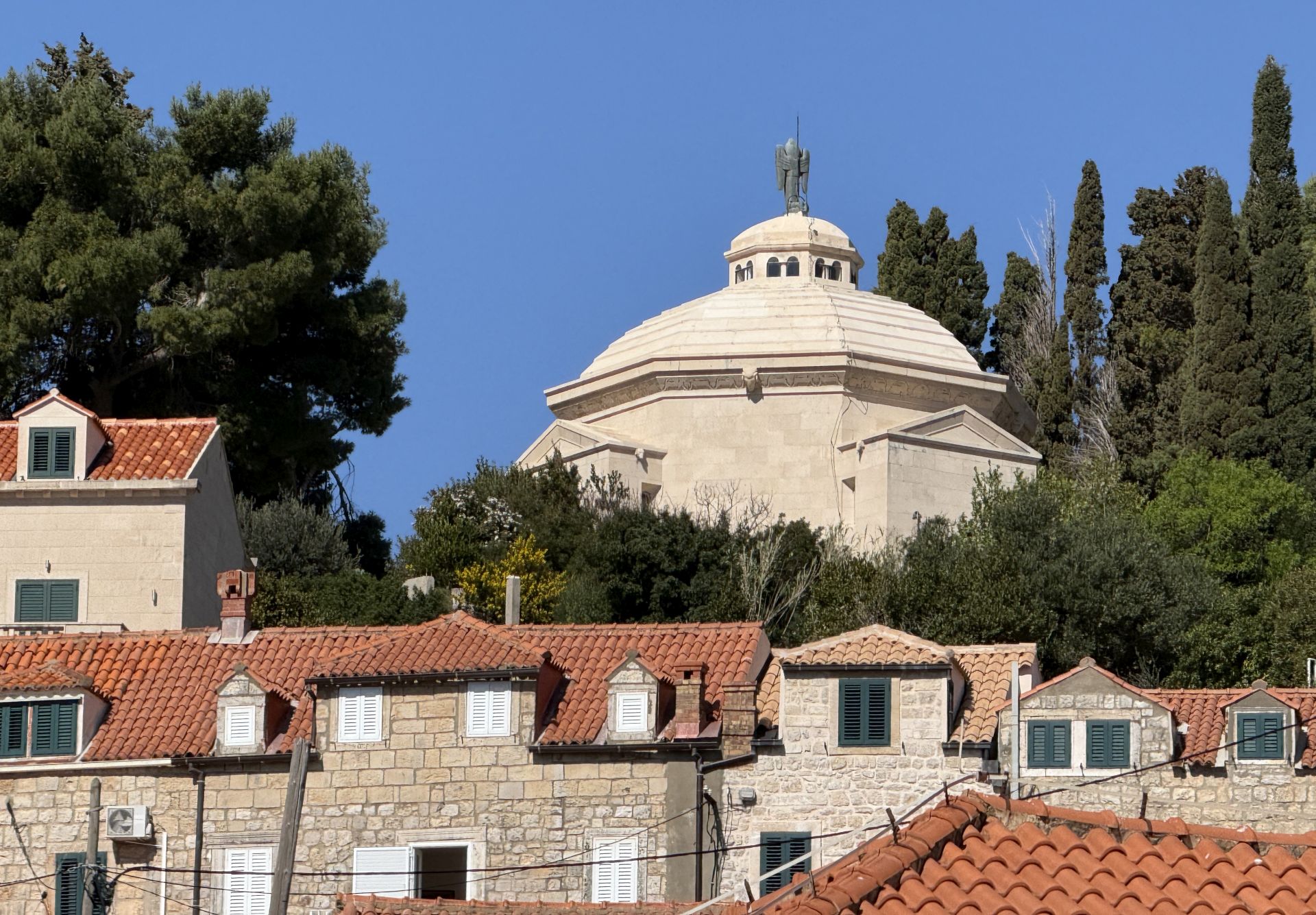
Although the climb was a little strenuous, we walked up the steep stairs to reach the top: a walk that took us around 15 minutes. From this place, we had an amazing view of the town and the whole bay.
Walking along the beautiful seaside promenade, we had lunch in one of the nice pubs on the waterfront. It’s true, most restaurants and pubs were still closed, but nevertheless, it was a real pleasure to sit in the sun and enjoy a light meal on a terrace along the promenade.
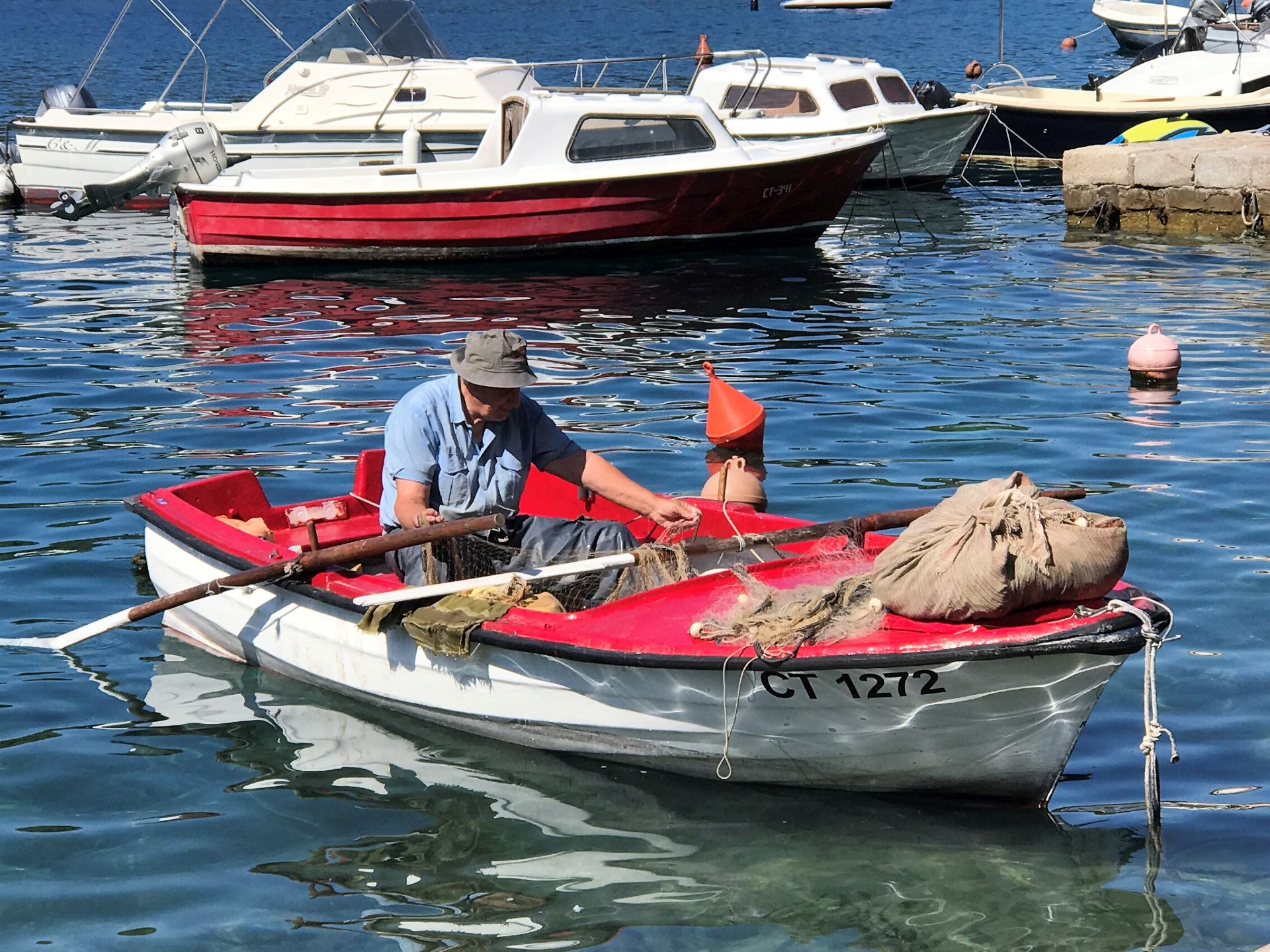
Of course, we also wanted to explore the old town, so we followed the steep stepped streets above the promenade and admired the red-roofed stone houses built in the Middle Ages.
Another attraction appeared to be the parish church of St Nicholas – a typical stone church with a cross-vaulted apse and Baroque elements. The bell tower was added in the 19th century. Visiting the church, we admired the wooden altars and the altarpiece crafted by Carmelo Reggi from Sicily.
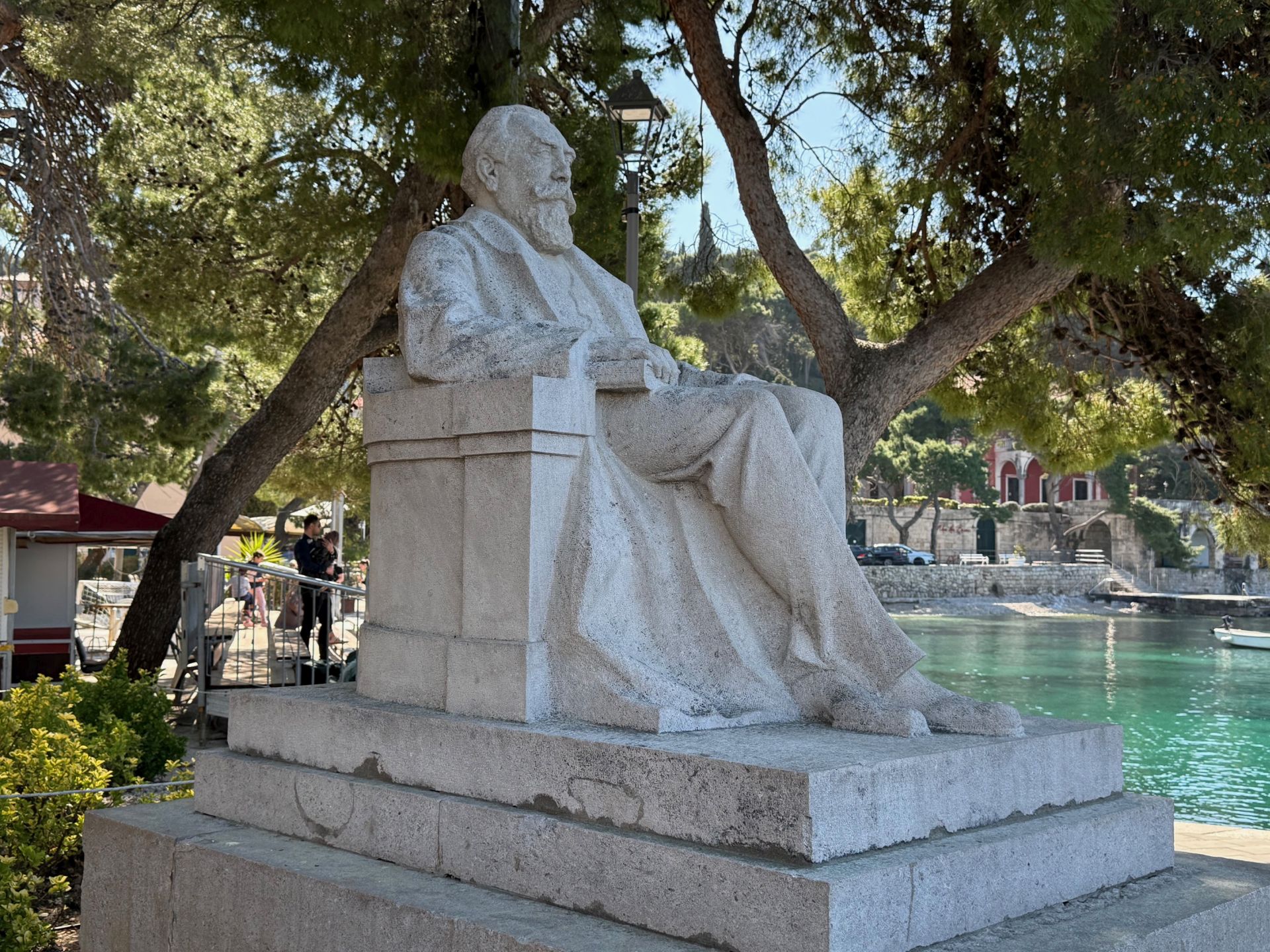
In the shade of a large pine tree, we saw a sculpture of Baltazar Bogišić, who was born in Cavtat in 1834 and became a famous jurist and sociologist.
It was a pity that we didn’t have enough tie to see the sunset, as we were told that it is really gorgeous!
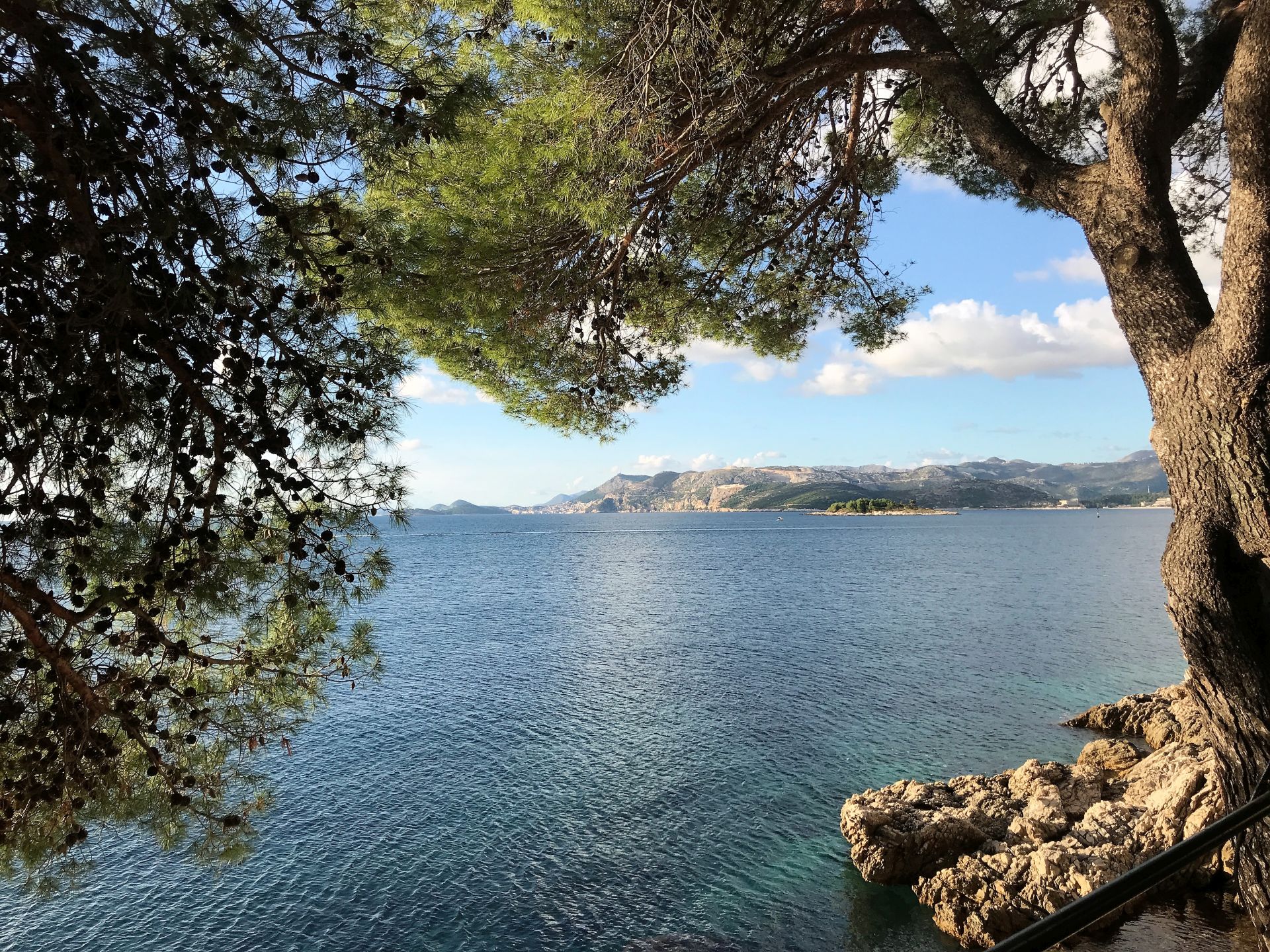
Altogether, Cavtat is worth a day trip – it is a relaxing coastal town, situated in a beautiful natural setting…
Hello, Marianne,
thank you very much for this wonderful report, again.
Yes, we already made a visit to Cavtat some years ago. It is realy nice and worth to see. But didn’t you had been disturbed by starting and landing airplanes? Airport of Dubrovnik ist just some steps away, isn’t it?
I enjoy to read and watch more in future.
Tot ziens!
Greetings
Hans-Reinhard
Yes, you are absolutely right, Cavtat is directly below the landing path of Dubrovnik airport. Fortunately, off-season there are just a few planes daily – this problem is much more serious in the summer season!
Thank you for another great trip description. I live just across the border in HN and pass by Cavtat all the time. About Bukovac, his birth name was Biagio Faggioni, reflecting his Italian paternal heritage. He Croatianized his surname to “Bukovac” in 1877 — both “Faggioni” and “Bukovac” derive from the word for “beech tree”. He lived in France and was then the court painter first in Serbia and then in Montenegro and then taught in Prague. So, what a life coming from small Cavtat!
Thank you for the information. You can also see several paintings of Bukovac in the Royal Palace of Cetinje.
Kind regards!