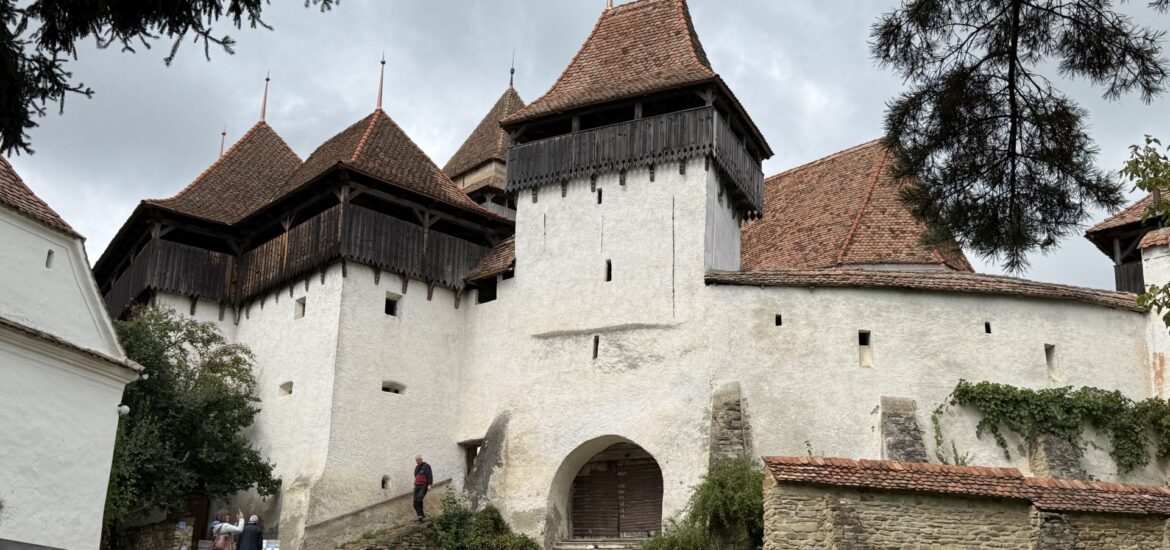
During our road trip through Romania in September, we also visited the region of Transylvania. No, we were not only interested in the usual tourist attractions. It was, first of all, our intention to discover traditional villages with fortified churches. These villages (there are around 150 of them) create an amazing picture of the cultural landscape; they date back to the Middle Ages, as they were founded between the 13th and the 16th century.
To understand the history of fortified churches, you should know more about the former inhabitants of Transylvanian land, the Saxons. What were these German people doing in Transylvania? That’s an interesting story!
The Saxons had been invited by the Hungarian kings between 1180 and 1250 to colonize a formerly wild area. They got many privileges, as it would also be their task to defend the kingdom against invaders.
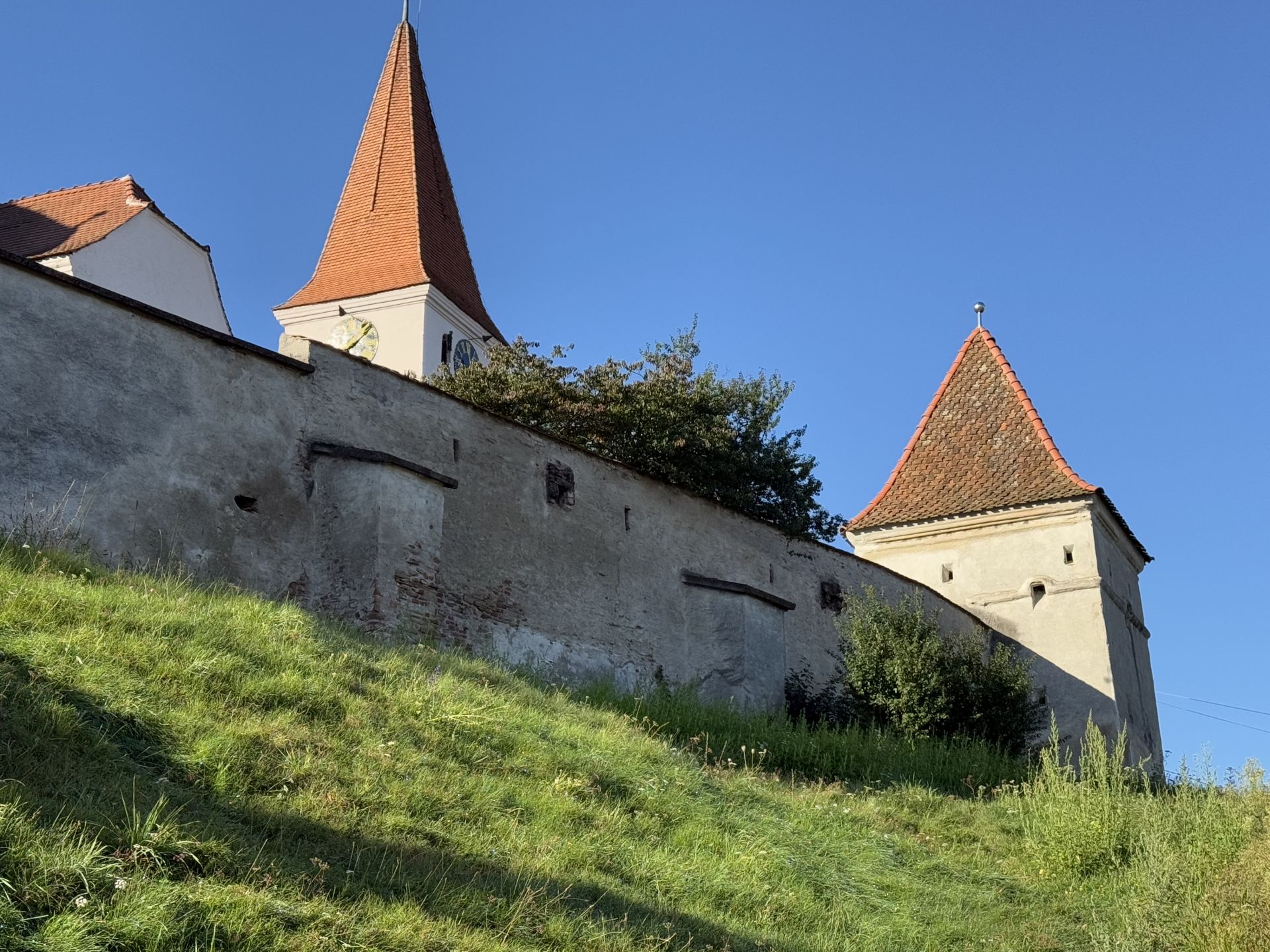
And indeed, they were living a good life … until the enemies arrived. Who were these enemies? Mainly the Tatars who were sent by the Ottomans with a precise mission: to spread terror. The Saxons had to protect themselves and built fortified churches with thick walls and towers, also serving as shelter, storage area and fighting zone.
Initially, these places of worship were Catholic, but after the Protestant Reform in the 16th century, they became Lutheran.
Nowadays, there are not many Saxons left in Romania. Most of them were deported after World War II and persecuted by the communist regime. Still, they left an important legacy.
During our journey through Transylvania, we have visited many fortified churches, but I was most impressed by the following three churches that are included in the UNESCO World Heritage list.
VISCRI
The first fortification we visited was Viscri (in German: Weißkirch). Viscri is considered to be one of the most authentic villages of Transylvania, although thousands of travelers visit it each year. Fortunately, the summer season was over when we arrived, only few tourists were walking around and we really got the feeling that time has stood still in this village.
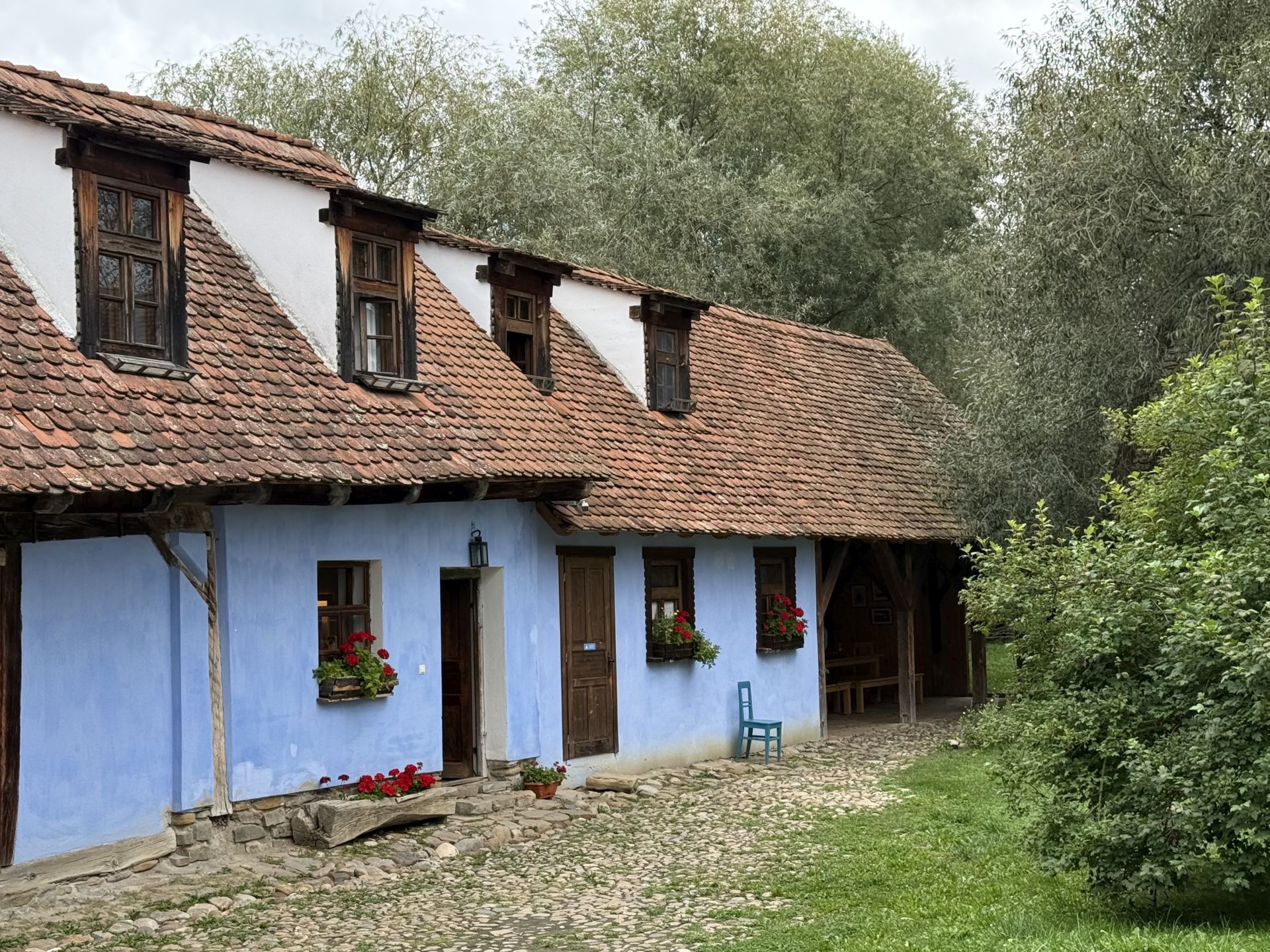
Exploring the traditional rural architecture, we saw old Saxon farms painted in blue with troughs for the cows and horse carts in front of them. The village seemed to be lost in time. There were inscriptions in German on the farm houses and it was clear that the Saxons had succeeded in keeping their own traditions and lifestyle. No wonder that King Charles of the UK has bought a house here; he is an active supporter of preserving this authentic village.
We found the old fortified church on a small hill surrounded by strong walls with two bastions and two towers. Built in the 13th century, the modest Romanesque church – now a Lutheran church – was poorly decorated, but presented some unique features; the 7 meters tall fortification walls appeared to be much more impressive. It was interesting to visit the small museum with traditional objects belonging to the Saxon community.
BIERTAN
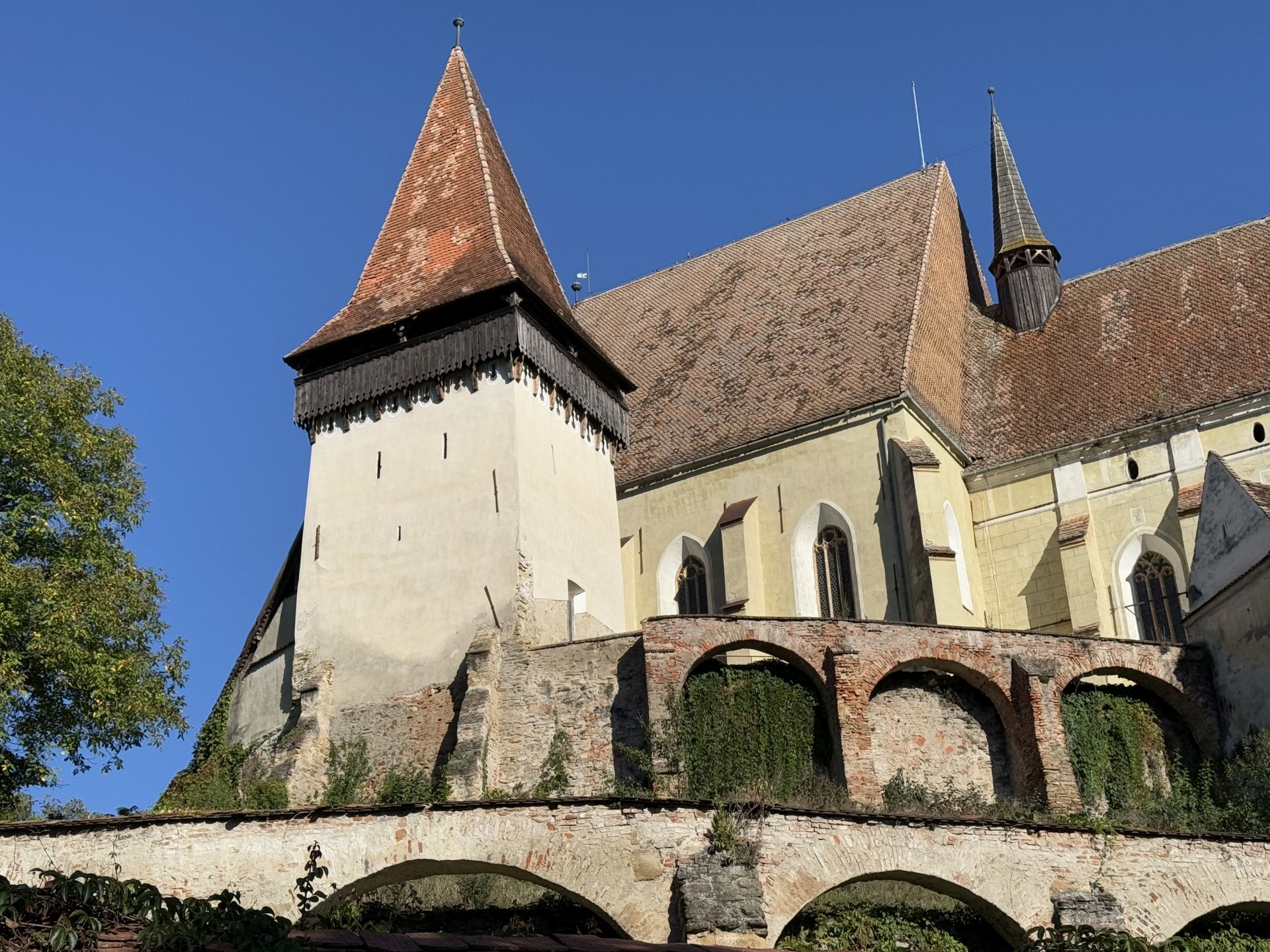
Biertan (in German: Birthälm) is a picturesque village at a distance of only 30 minutes from Sighisoara. It was a great experience to visit the fortified church of Biertan, which is probably the most famous in Transylvania. We were not the only visitors; a group of camper tourists from Germany was already waiting to enter the architectural complex that was located on a small hill in the village center.
In the Middle Ages, Biertan was an important settlement and the center of the Saxon population in Transylvania. It has also been the seat of the Lutheran bishops for nearly 300 years. Biertan’s authentic architectural complex includes the monumental late-Gothic church built in the 15th century, as well as three defensive walls around it.
This fortified church is also famous for its medieval matrimonial prison, where couples facing marital problems were locked together for a period to resolve their conflicts. It is said that in 300 years, this method failed only once!
CALNIC CITADEL
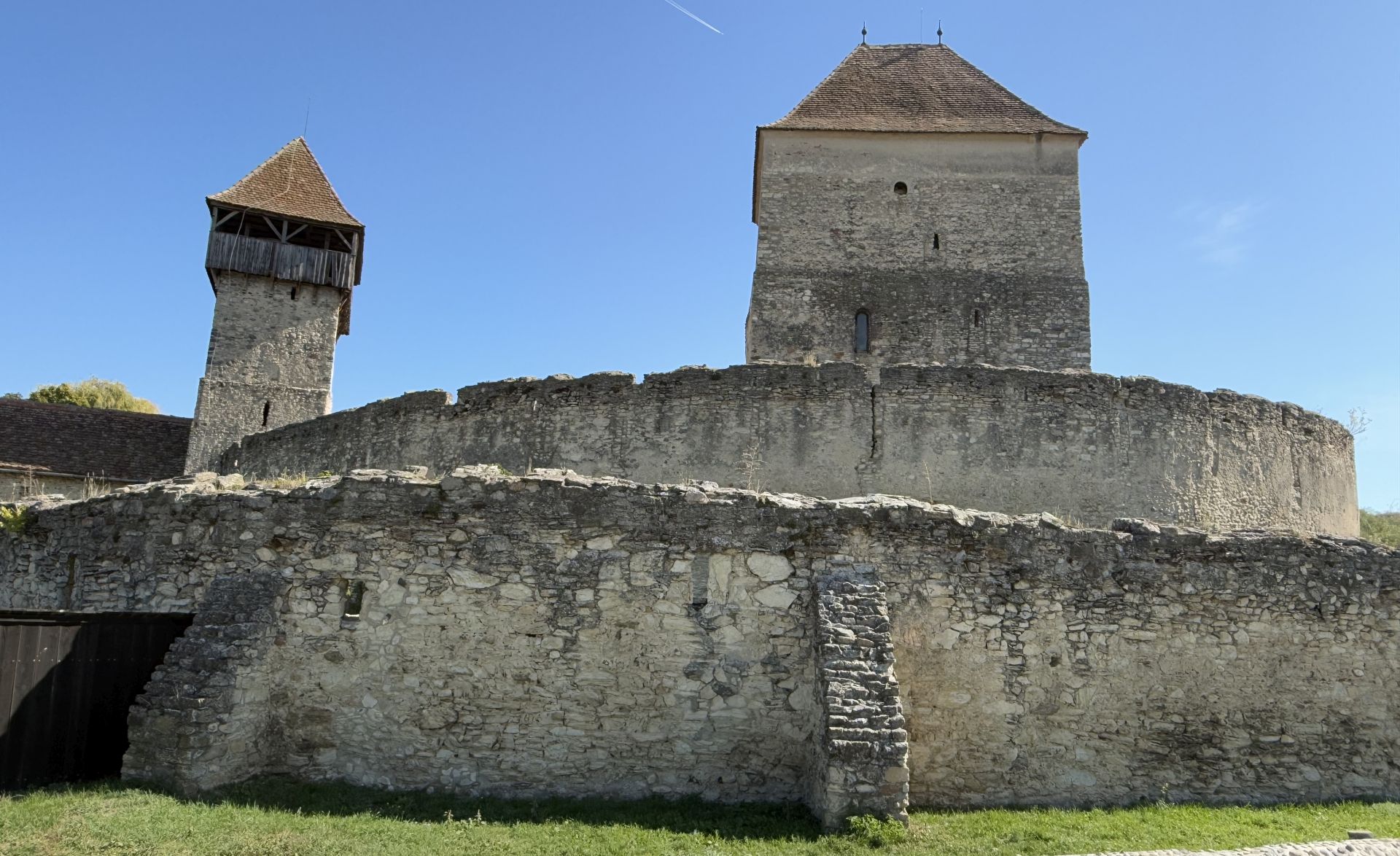
This Romanesque citadel (in German: Kelling) was originally – in the 13th century – a noble family residence, including strong defensive walls that protected the massive keep, moat and towers. It was sold to the local Saxon community in 1430; they expanded the fortress during the 16th century with another wall and they also built additional buildings for storage.
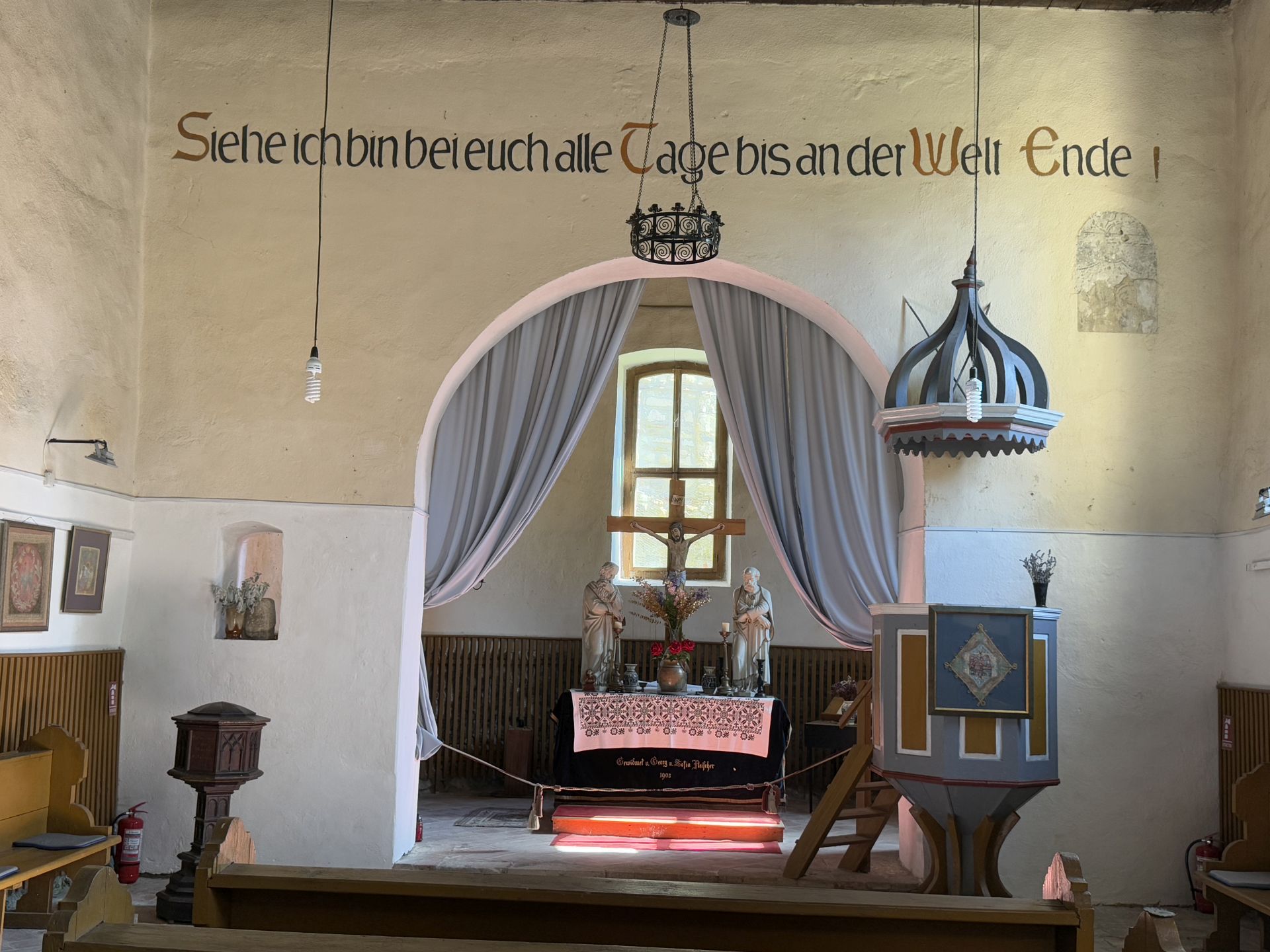
The entire complex is beautifully preserved. It was particularly interesting to visit the chapel and two of the towers. One of them includes a small museum of medieval and traditional art.
Altogether, in my opinion, the fortified churches of Transylvania belong to the most interesting and inspiring attractions of Romania. An authentic cultural heritage that transforms this region into a great destination!