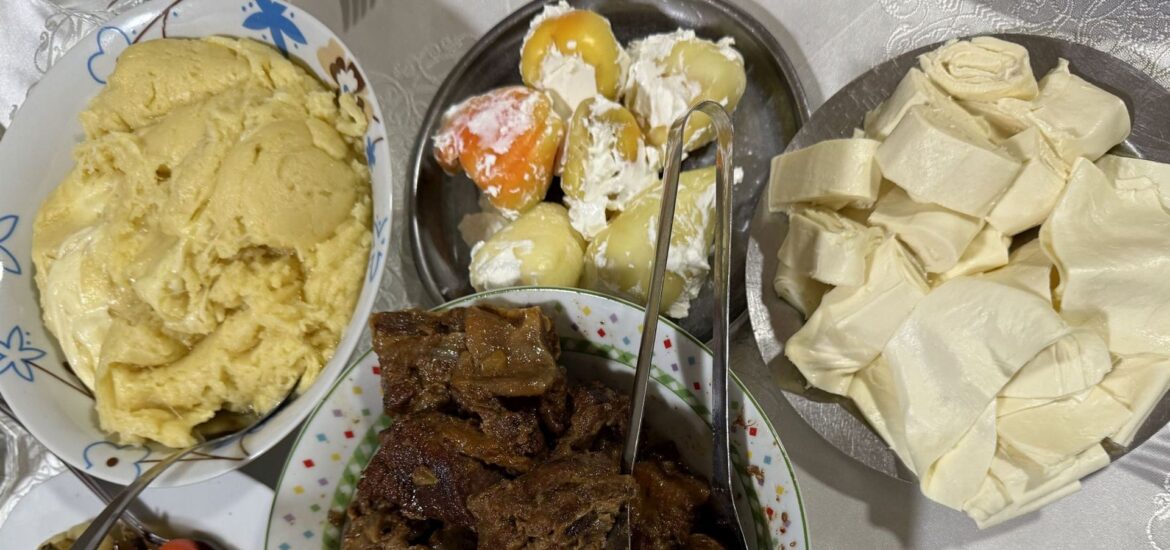
Do you know what a foodie is? A foodie is a person who loves food and who considers him/herself informed about restaurants and dishes in a particular area. He/she often shares this love for food by blogs, photos or videos.
Well, I am not a foodie! I just want to tell you something more about the food I tasted during the slow food tour we made with a small group of foreign bloggers and tour operators through the northern part of Montenegro.
We enjoyed a warm welcome in different rural households in the northern part of Montenegro – from Plav to Berane, from Bijelo Polje to Katun Bajrovića in the Prokletije mountains. Expressing their traditional hospitality, the hosts offered us high-quality slow food, prepared on the basis of typical centuries-old recipes.
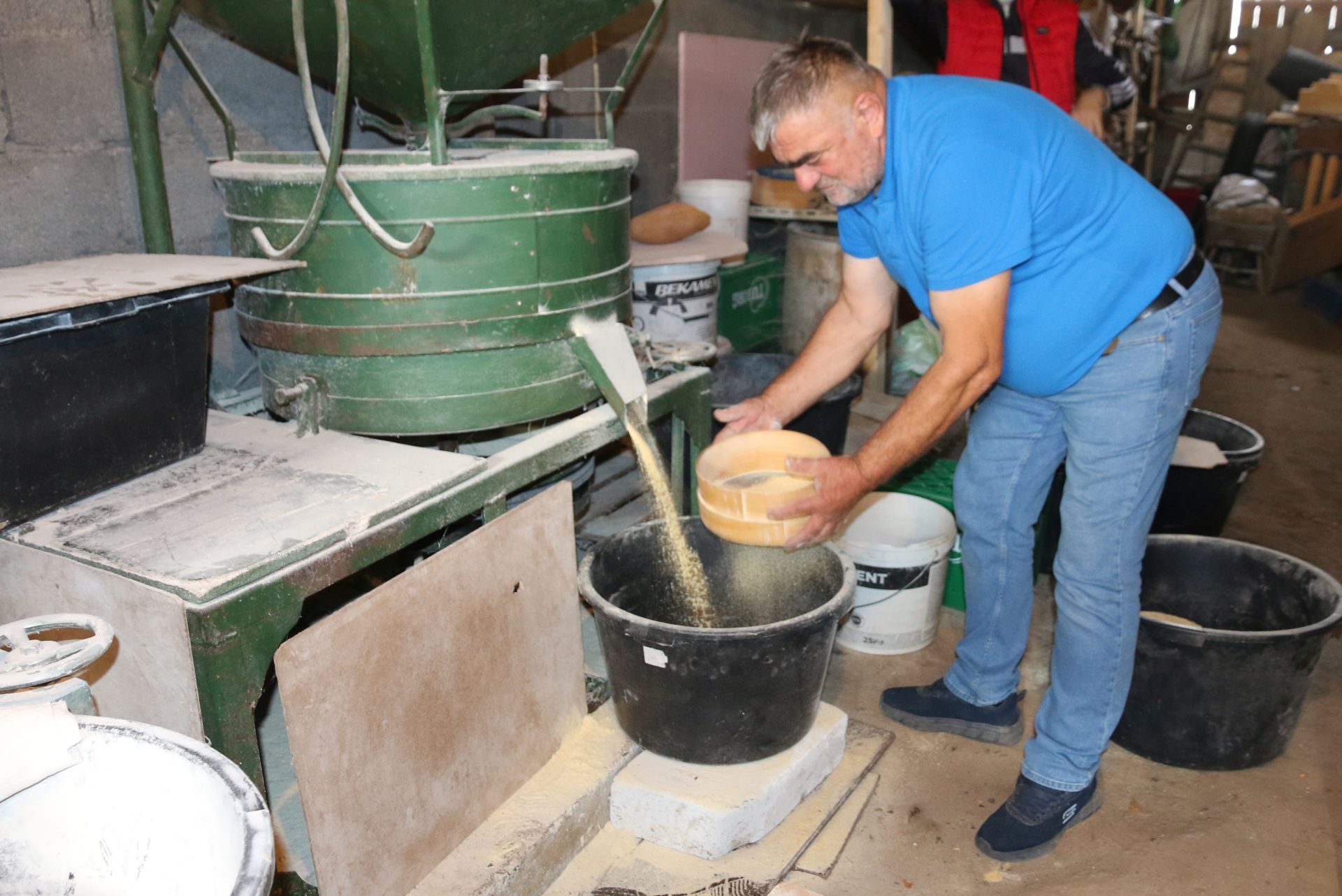
You should understand that local people in the countryside have grown up with knowledge of traditional recipes, using food from their own property: meat, cheese and other dairy products, vegetables and fruit. They still work with wooden bowls, ceramic pots, private grain mills … and all the food is made without mixers, blenders, cutting machines or microwaves! Is that one of the reasons why this food is so tasty?
But let me describe some of the local dishes and beverages we tasted:
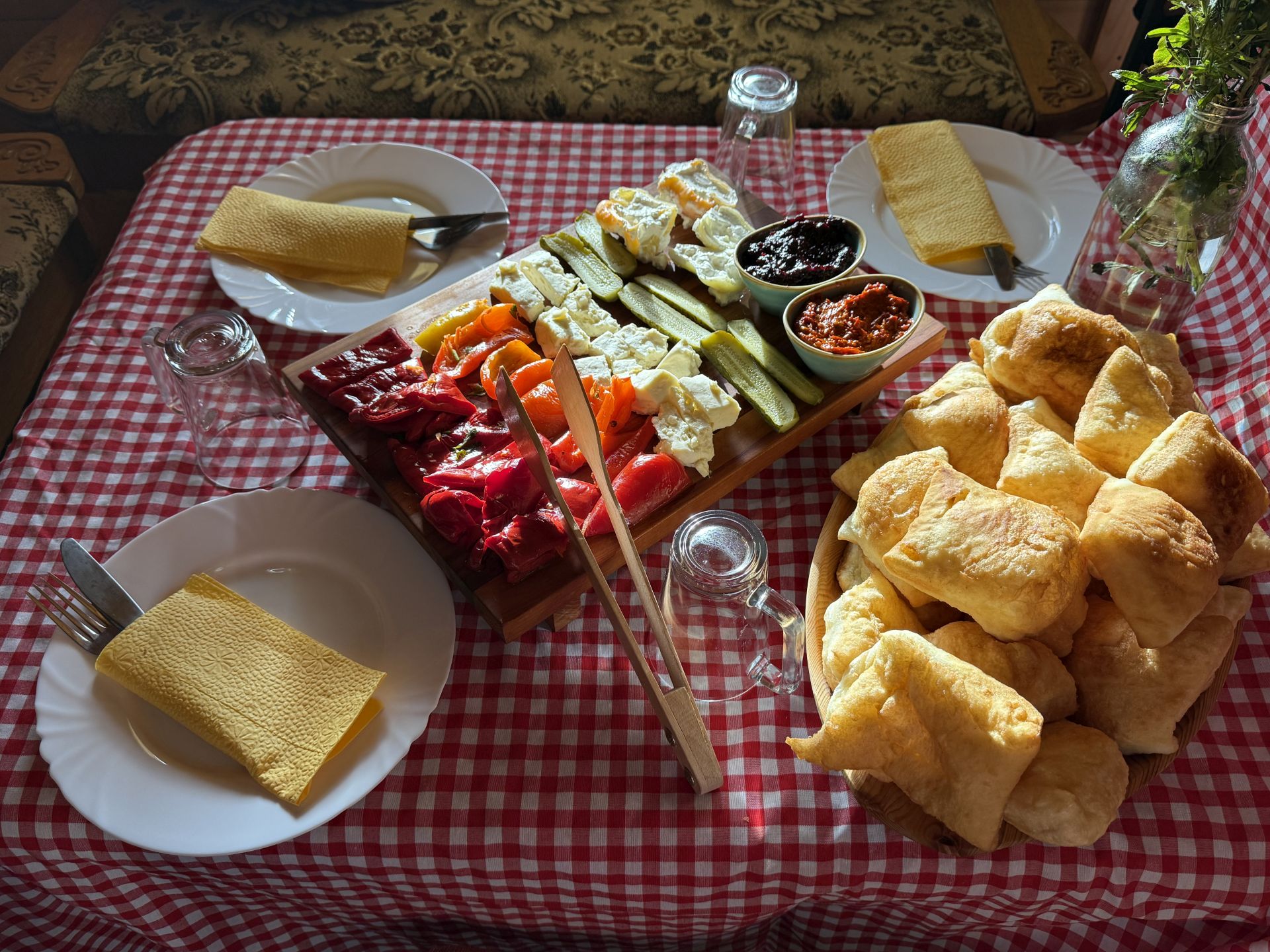
PRIGANICE
Paul and I are big fans of priganice (fried dough balls or fritters) and we often take the opportunity to eat them when we are on the road. They are served with cheese, honey or fruit jam as a welcome appetizer for guests, but they can also be eaten as a snack or for breakfast.
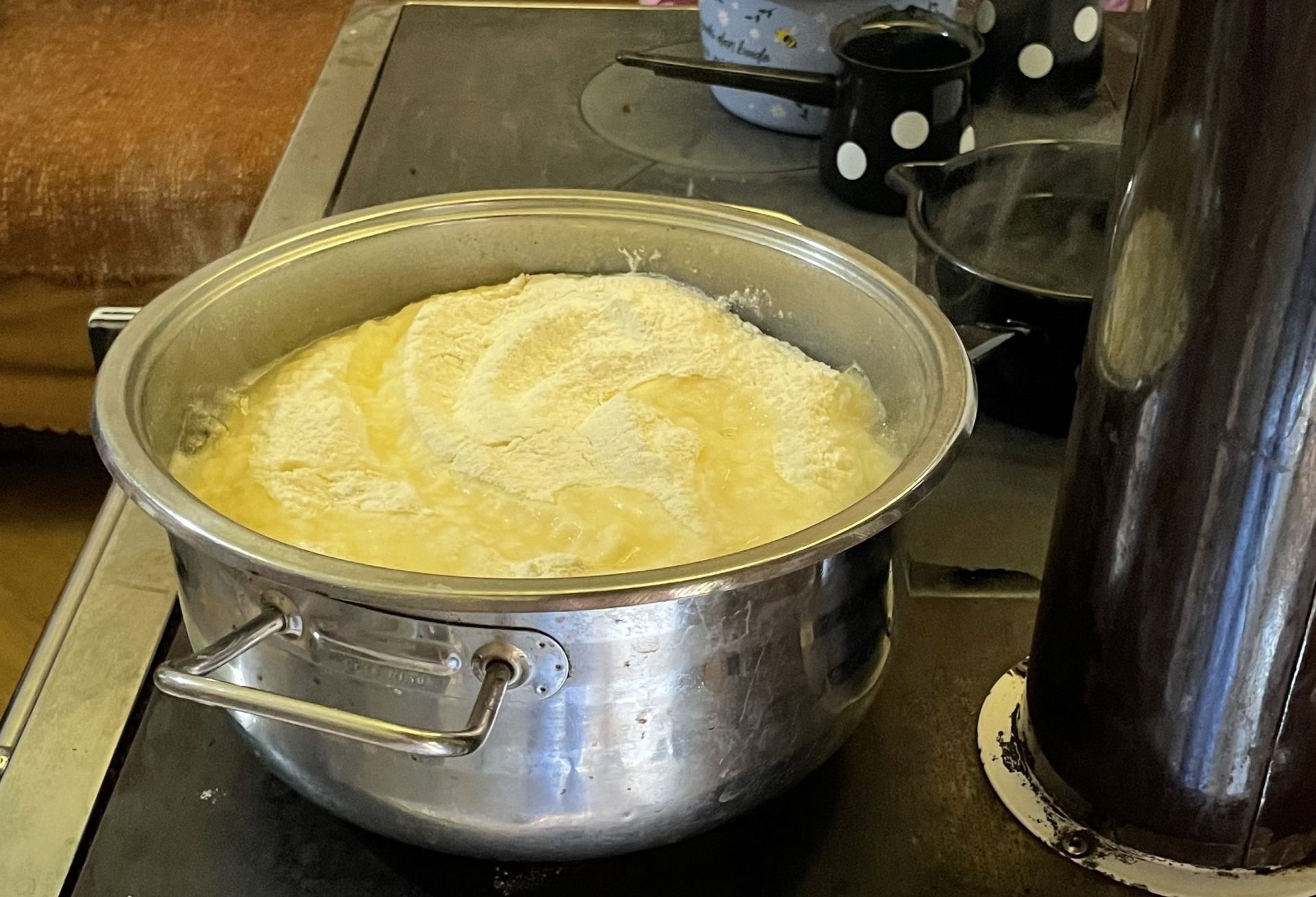
KAČAMAK
Kačamak was traditionally made for farmers and shepherds in the Montenegrin mountains, as it is a hearty, nourishing meal that provides essential energy for long days of manual work. It is made by cooking up a porridge of flour or cornmeal and potatoes and finishing it off by ‘kaymak’ (clotted cream) and cheese. I would advise you to eat just a small portion, as it is quite heavy and rich of calories. But I really enjoy the taste, especially when it is served with yoghurt.
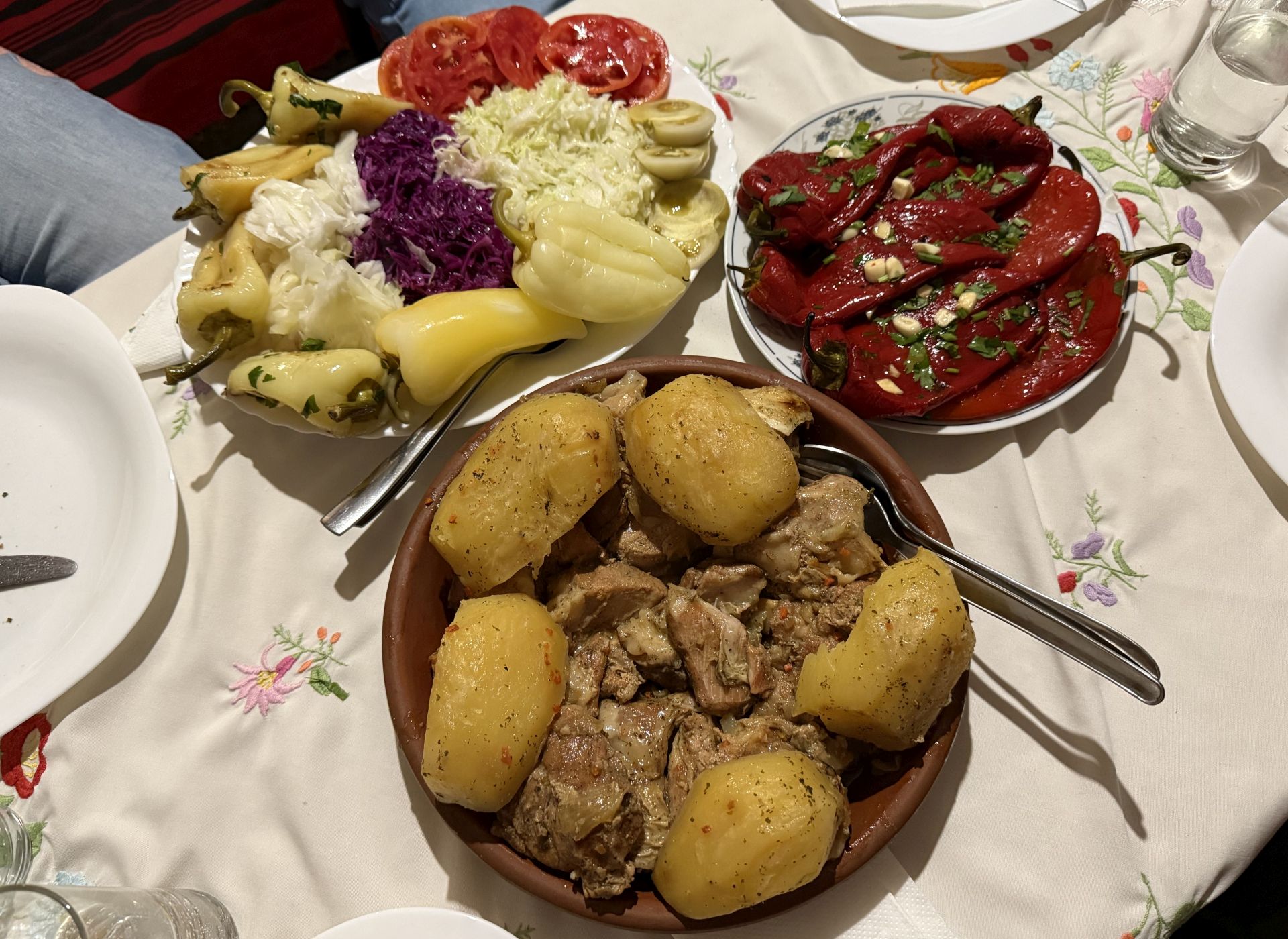
LAMB OR VEAL ‘UNDER THE BELL’ (‘ispod sača’)
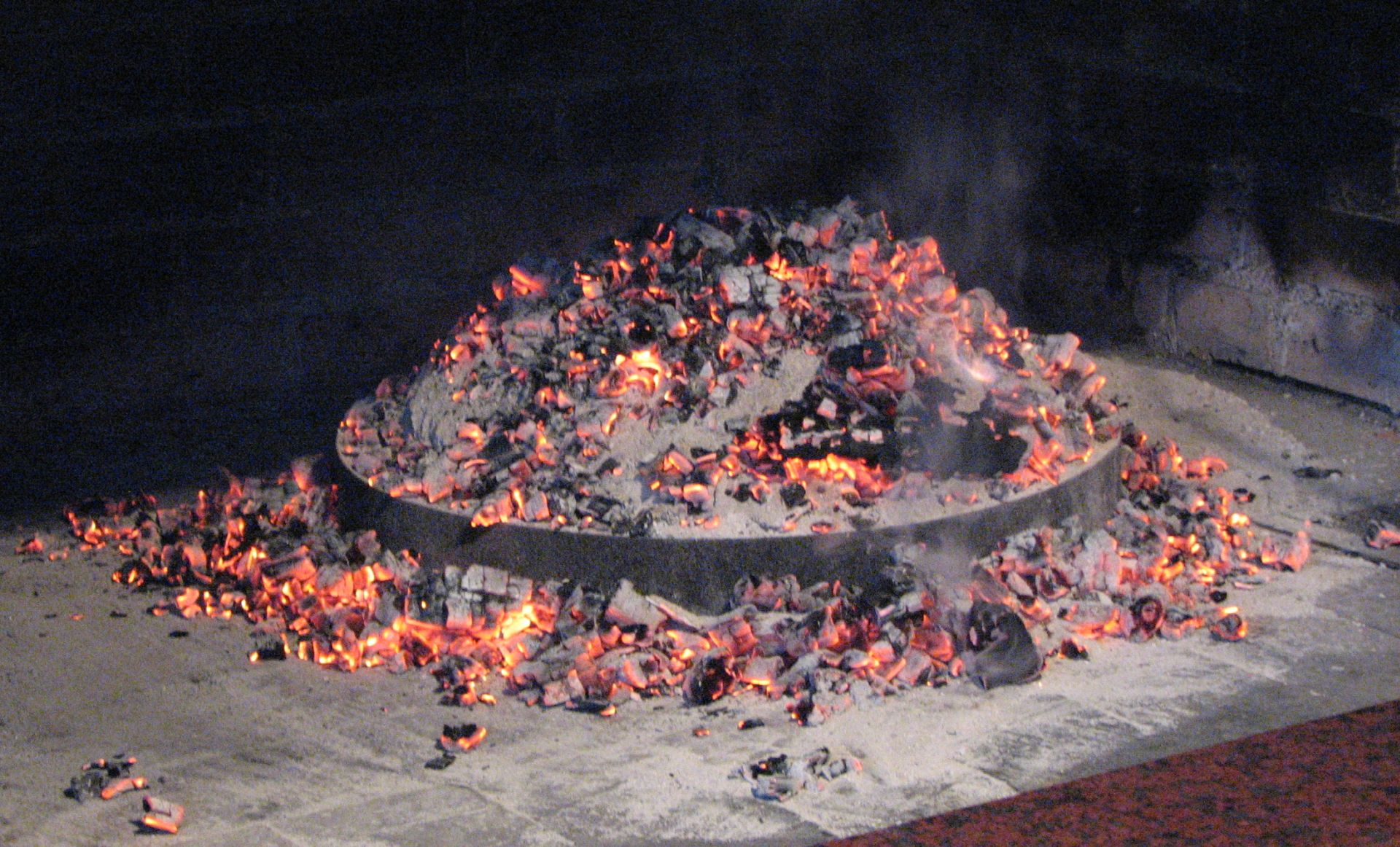
A very special dish from the Montenegron mountains is lamb or veal ‘under the bell’. Try to imagine a fireplace as the heart of a traditional household in the past, where families got together, where meals were prepared, where everything happened. The housewife put fresh lamb or veal in a clay pot with peeled potatoes, covered it with an iron bell-shaped lid (‘sač’) and buried it in hot embers. Then it was slowly prepared in its own juices for numerous hours, until the meat was soft and tender. And yes, it is still prepared in the authentic way and it is delicious!
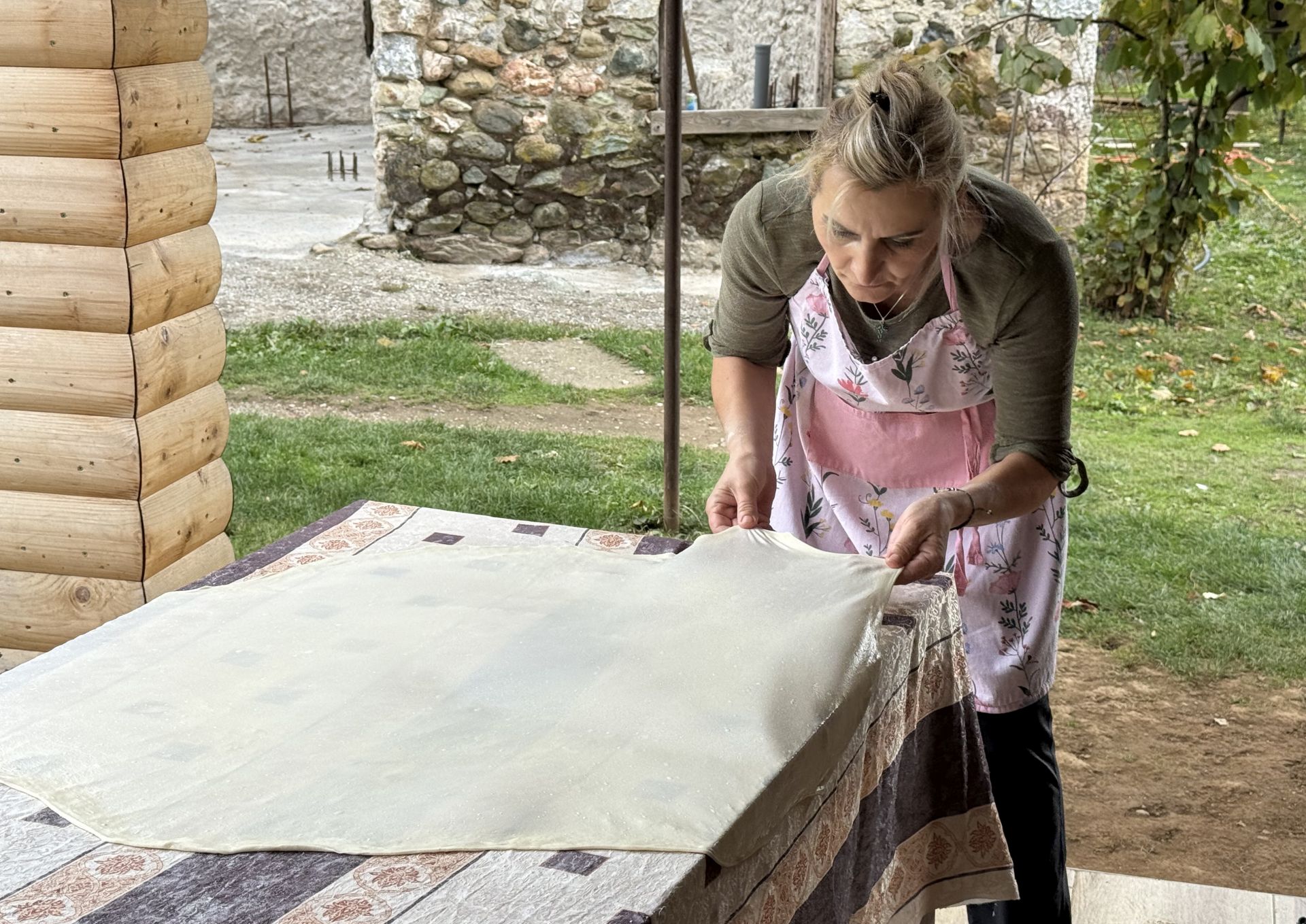
DOMAĆA PITA (home-made pie)
‘Pita’ is a traditional fluffy pastry pie with different fillings, very popular in the traditional Montenegrin food of the northern region. They are primarily made from greens (spinach, chard, nettles) or cheese. During our trip, we had the opportunity to watch the process of stretching dough for pita; it certainly requires a lot of experience and practical skill.
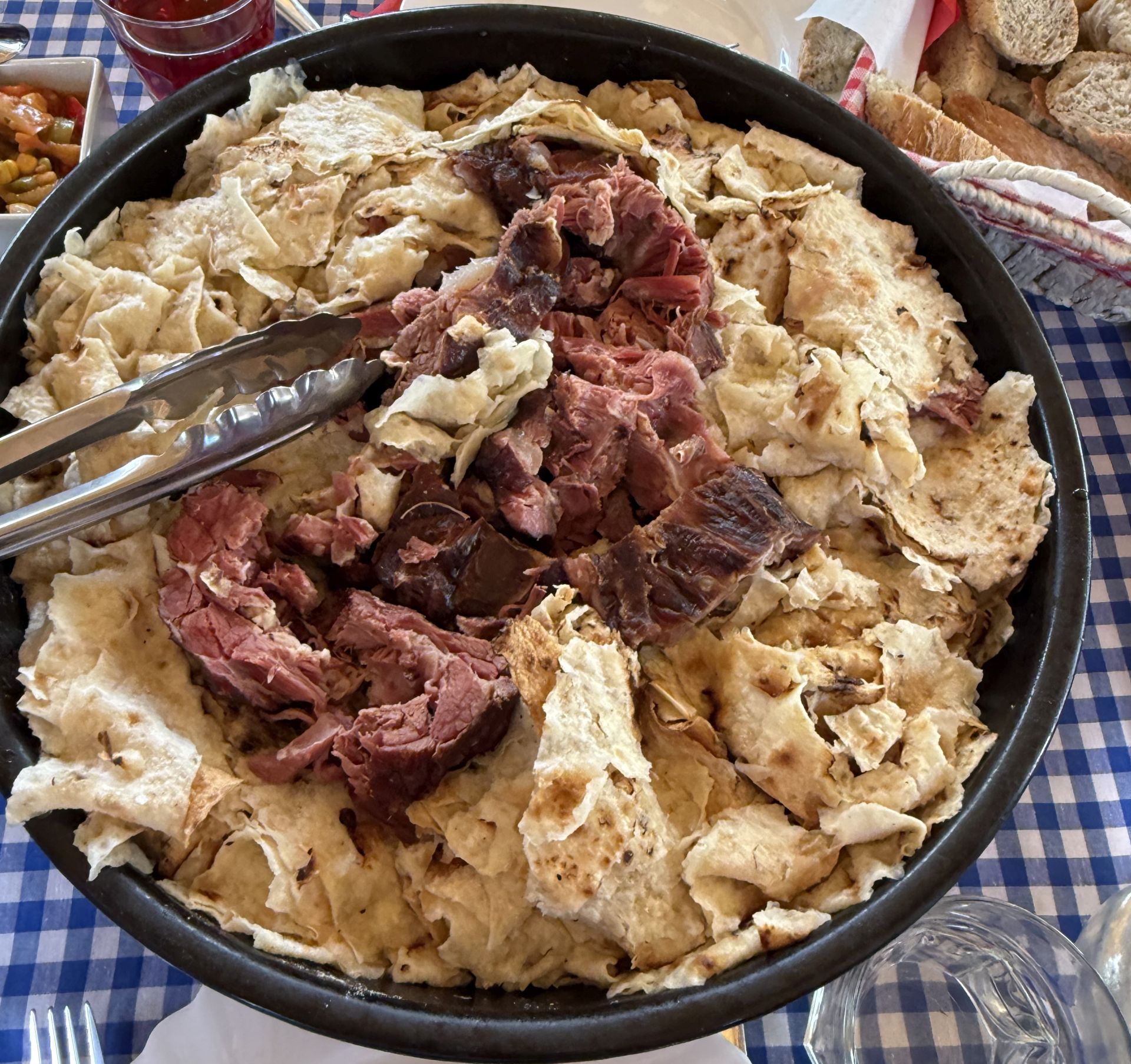
POTOPLJIKA
Although I have been living in Montenegro for decades, this was the first time I tasted ‘potopljika’, a traditional dish made of baked dough and smoked beef. Would you like to give it a try? You can find the recipe at https://www.youtube.com/watch?v=18nqYiu_S4o.
STUFFED PEPPERS
I know, stuffed peppers are eaten everywhere in the Balkans. But in Montenegro, they are real comfort food. We loved the old-fashioned ‘punjene paprike’, prepared with ground beef and rice filling and baked in the oven.
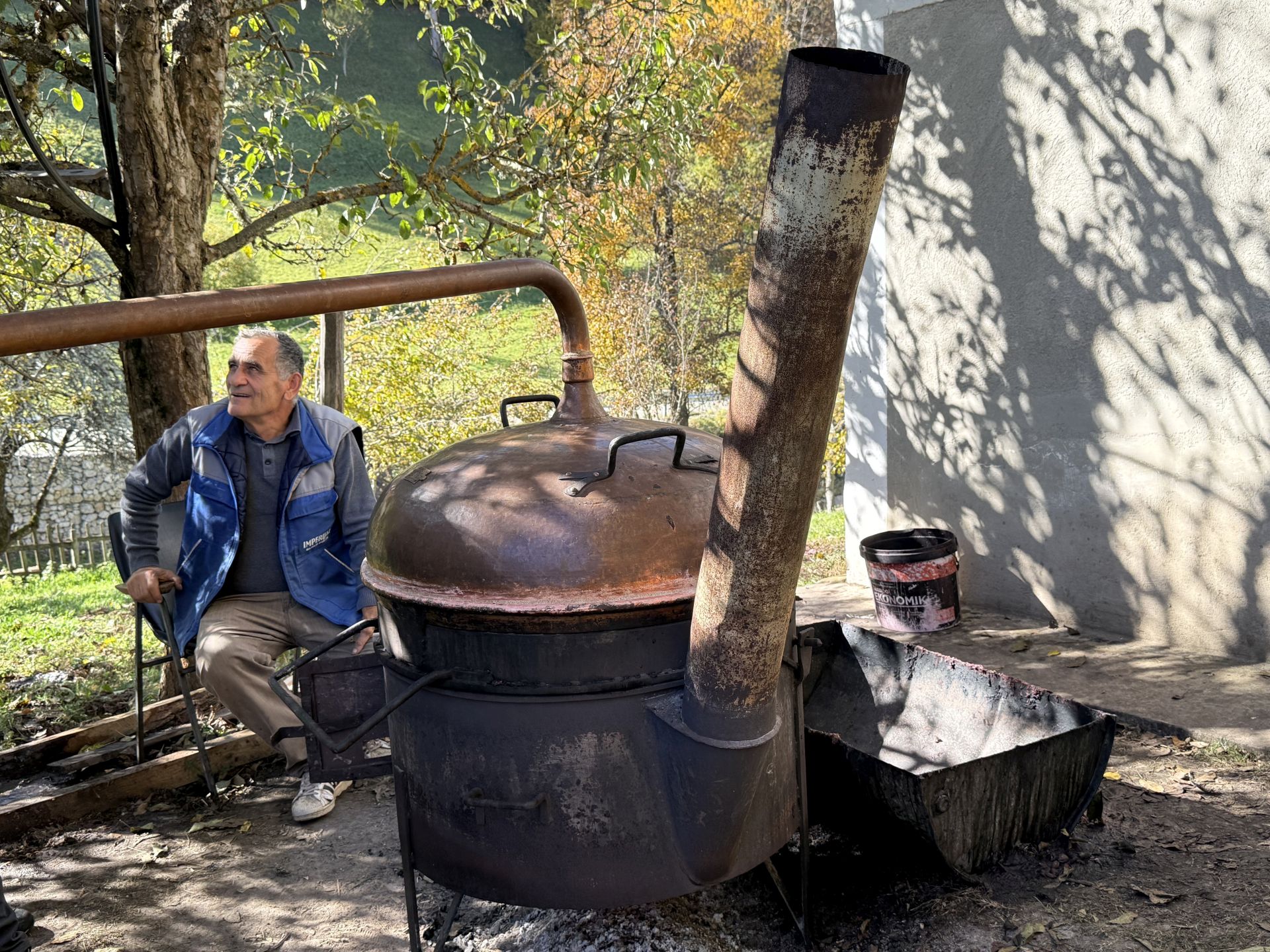
RAKIJA
Rakija is widely consumed in Montenegro and is considered a national drink. It is a strong fruit brandy; the most popular types of rakija produced in northern Montenegro are made from plum, apple, pear and quince. Locals say the secret of longevity in Montenegro is rakija. Many drink a short glass of rakija in the morning believing that it will provide them with energy and wellness. It is also said to instantly kill stomach bacteria, relieve muscle pain, disinfect wounds and more.
Each family has at least one close relative who produces ‘domaća rakija’ (home-made brandy). It was great to watch the process of rakija making (and tasting!) in a small village near Bijelo Polje.
FRUIT SYRUP (MADE FROM ROSES, ELDERFLOWERS, ARONIA, ETC.)
Rose syrup is a rose flavored simple syrup made with just three ingredients: sugar, water, and dried or fresh rose petals. It’s super easy to make at home. The same recipe – with addition of some lemon juice – is used for syrup of elderflowers, aronia, raspberries, blueberries, etc. Syrups can be diluted with water and are widely used as a refreshment.
And finally, I would like to mention one of the best products from northern Montenegro we tasted on our study trip:
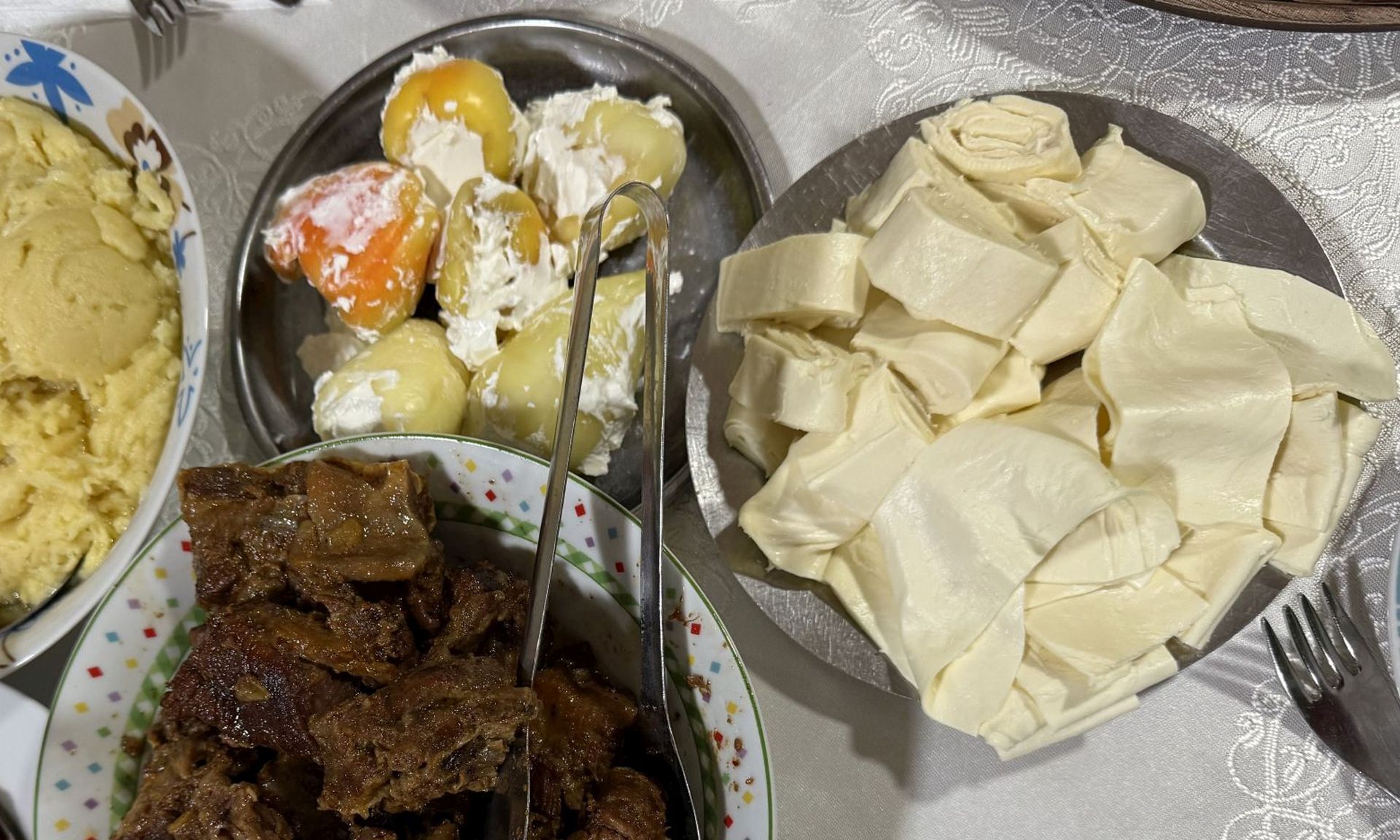
LAYERED CHEESE (‘lisnati sir’)
Montenegro’s layered (or leafy) cheese is made from cow’s milk cream and it is similar to mozzarella (but much better!). It has got its name because it is rolled out into large thin sheets that resemble layers of pastry dough. Layered cheese is mostly produced in Kolašin and Mojkovac, but a delicious cheese is also produced by the Pešić farm in Tomaševo. It is protected under a national Protected Designation of Origin (PDO) certificate.
Visitors of northern Montenegro, if you love good and authentic food, I am sure that you will be happy to experience the region through its cuisine, as the culinary delights of northern Montenegro represent the region’s culture, its identity and its history in a very special way.
Go and give it a try!
P.S. This tour was organized by NGO Kisele Vode from Bijelo Polje within the SReST project, co-funded by the European Union.
looks delicious !