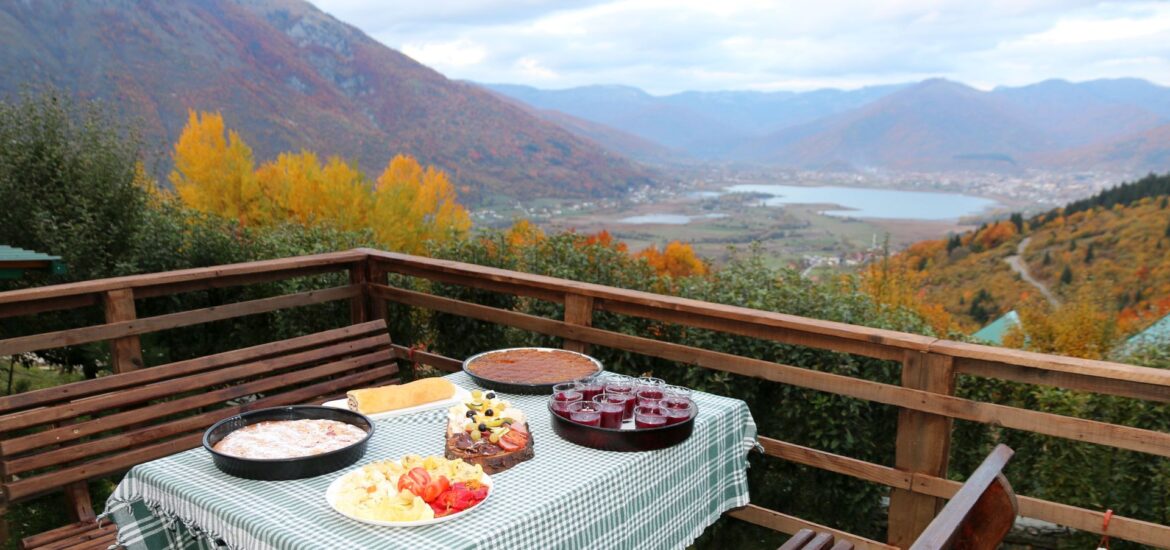
Traveling through northern Montenegro in autumn is a magical experience. The vast forests in the Prokletije and Bjelasica national parks show a vibrant palette of yellow, orange and red colors. It is the season of making ’rakija’, picking mushrooms, collecting herbs and preparing juice from raspberries, elderflowers and roses.
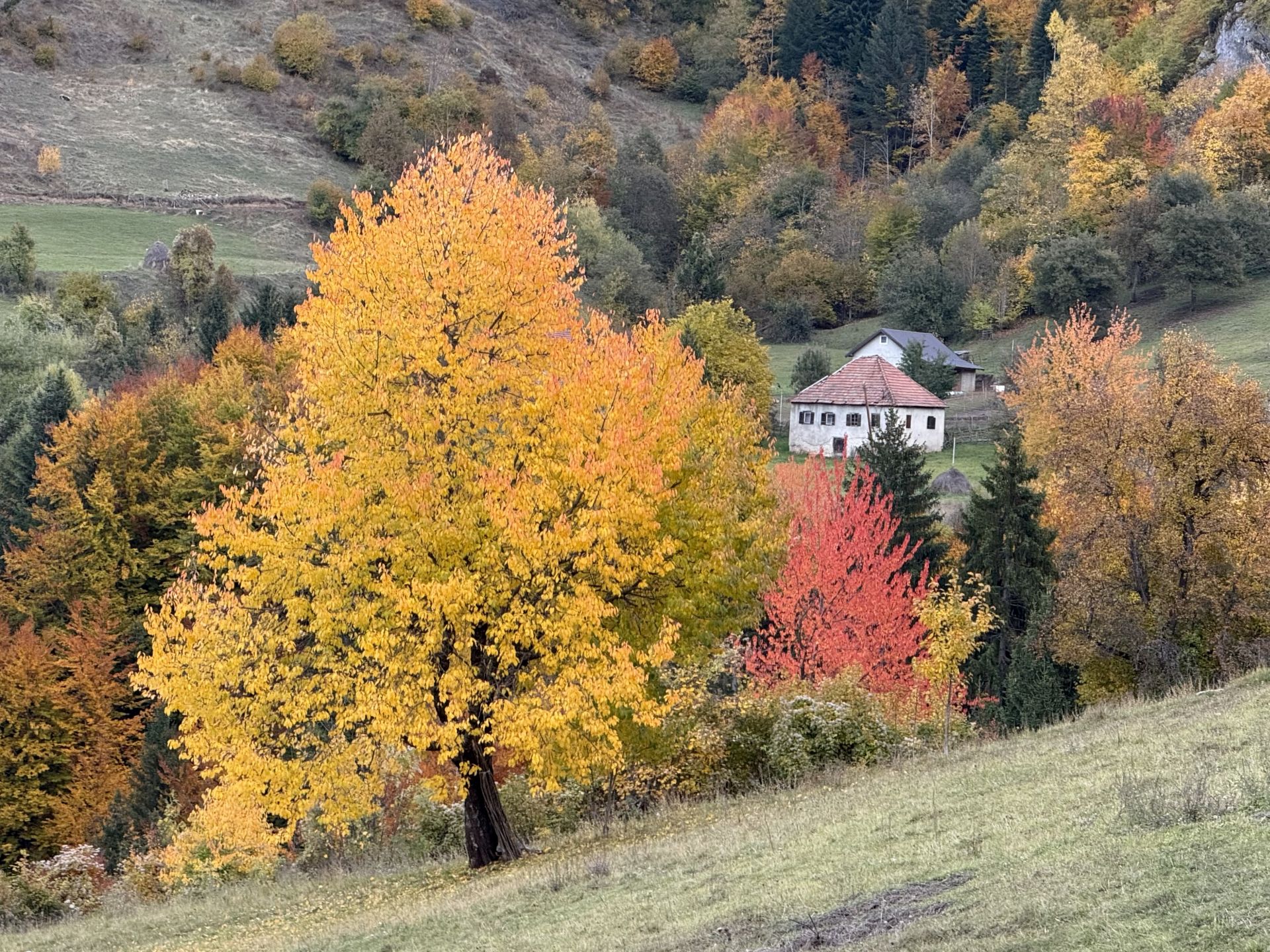
Autumn is also a perfect period to visit traditional farms and rural households – members of the Slow Food community; taking advantage of the abundance of autumn fruit and vegetables, visitors will get the opportunity to enjoy authentic food and learn more about traditional recipes.
That was exactly the goal of a 5-day study trip through northern Montenegro, which was realized by NGO Kisele Polje from Bijelo Polje: promoting the agrobiodiversity and gastronomic heritage through the development of sustainable Slow Food Tourism. The trip was organized for a small group of foreign bloggers and tour operators within the international SReST project (’Social Responsible Slow Food Tourism in the Danube region’), which is co-funded by the European Union and the Montenegrin Ministry of Public Administration.
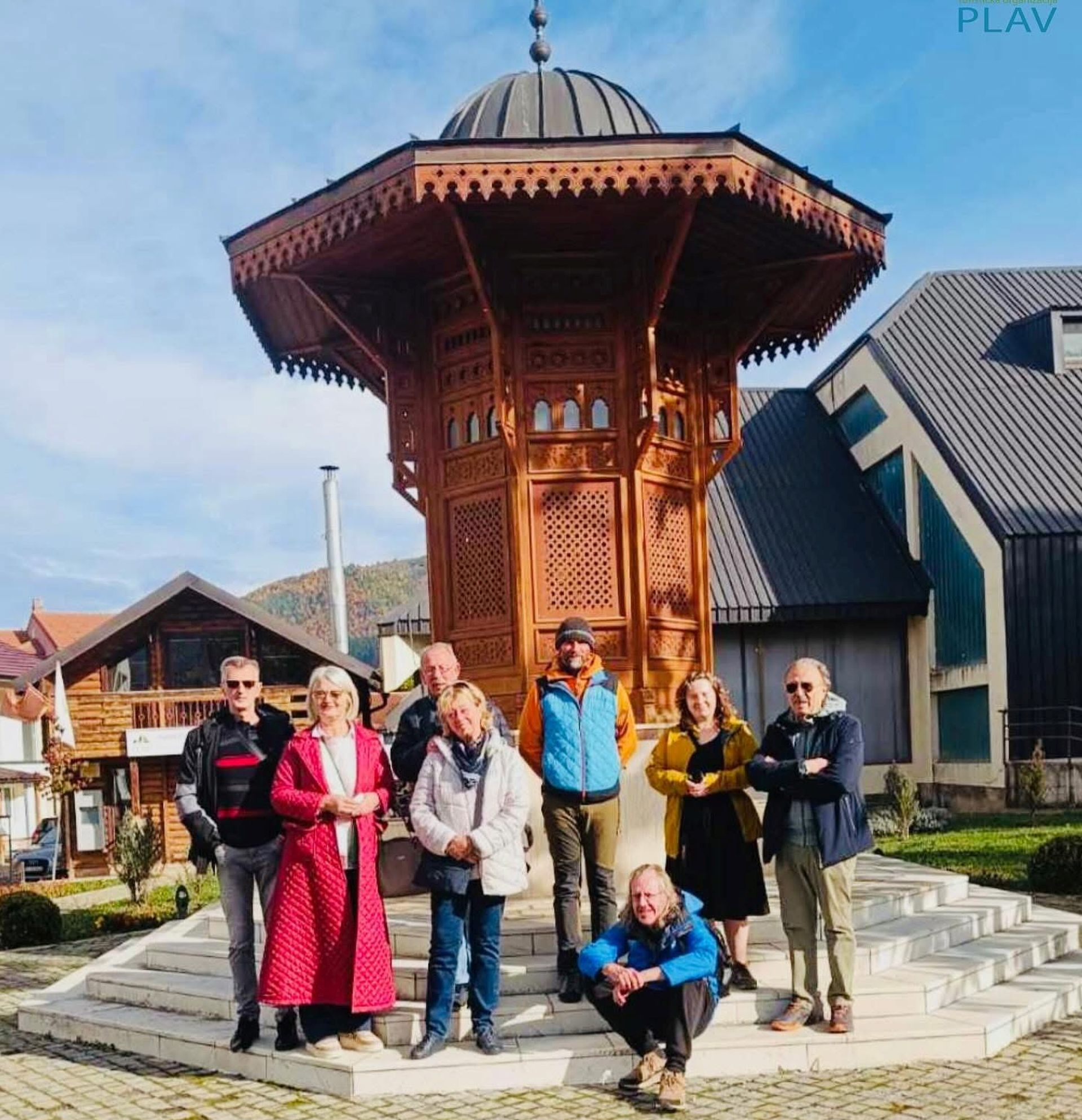
The promotion of the slow food community in Montenegro has always been one of our priorities and this was a great opportunity to visit some traditional households, taste the food they prepared and attend the Slow Food Exhibition that was held on October 24th and 25th in Bijelo Polje.
Northern Montenegro does not impress you with expensive hotels or luxurious resorts; no, apart from natural beauties and cultural attractions, the region just takes your breath away because of the hospitality of the people, their authentic way of living, their warm feelings for family and friends, their positive attitude towards life that is not always easy in these areas….
I remember that Roberto, a tour operator from Rome, told me during the trip that he was feeling very nostalgic when visiting these rural households – it took him back to the old farm of his grandfather and uncle in Umbria, many years ago. And that is exactly the meaning of this type of tourism: to make the tourists feel at home in a warm, authentic and relaxing environment.
It is impossible to mention all households – members of the Slow Food community – who welcomed us and the high-quality food they served in huge quantities (!!), thus expressing their traditional hospitality. No need to say that the authentic dishes during this gastronomic journey were prepared by the housewives, the ‘invisible’ women who guard the traditions and preserve the rural lifestyle.
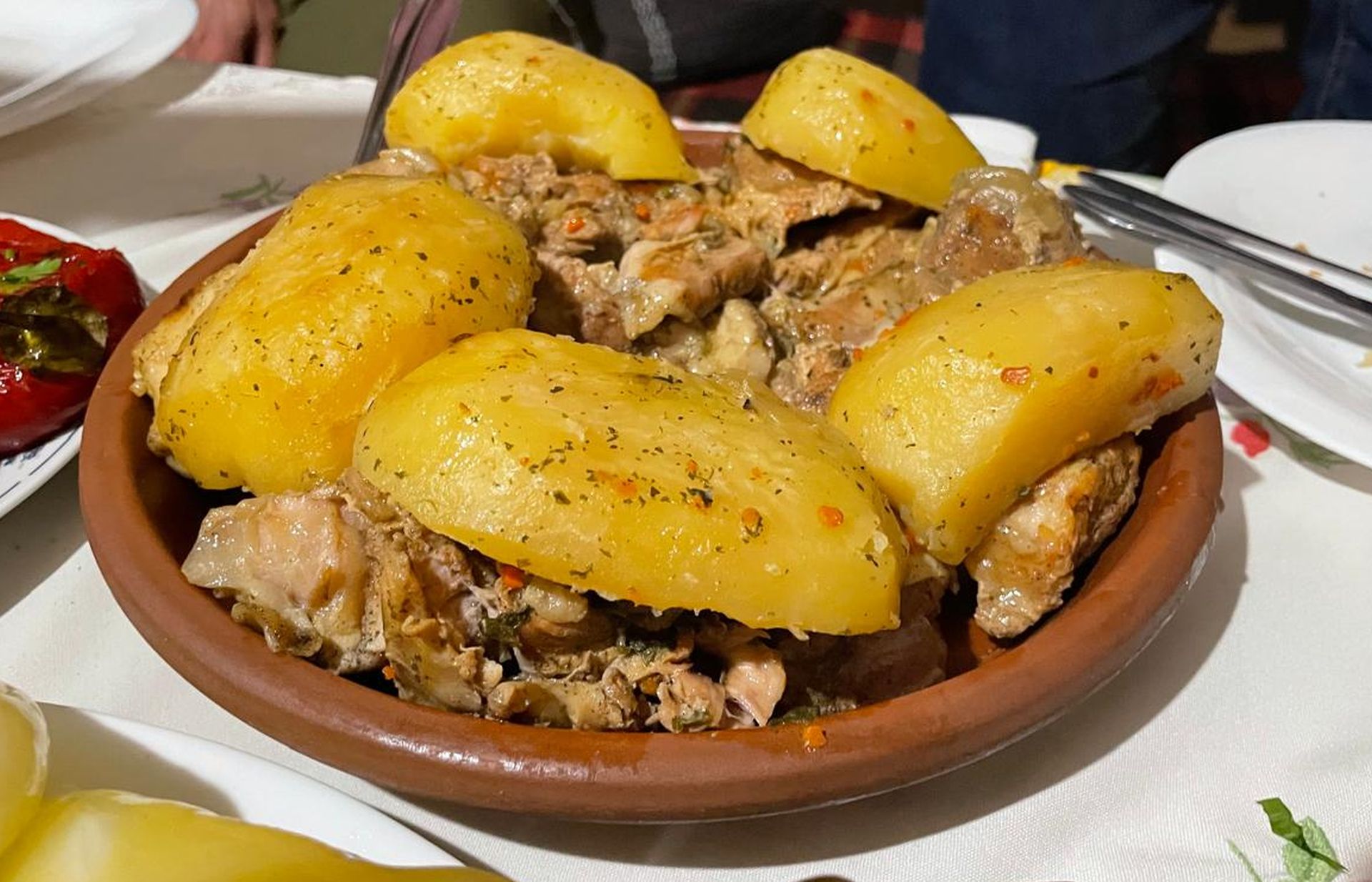
I would like to list just a few dishes we tried: ‘priganice’ (fried dough balls served with cheese and honey), pumpkin soup, nettle pie (yes, made with wild nettles!), ‘ajvar’ (a condiment made of sweet bell peppers and eggplants), ‘layered cheese’, home-made cornichons, ‘kačamak’, smoked beef ham, veal ‘under the bell’, buckwheat pie, plum brandy… Would you like to learn more about the culinary delights of northern Montenegro? Read my next blog post!
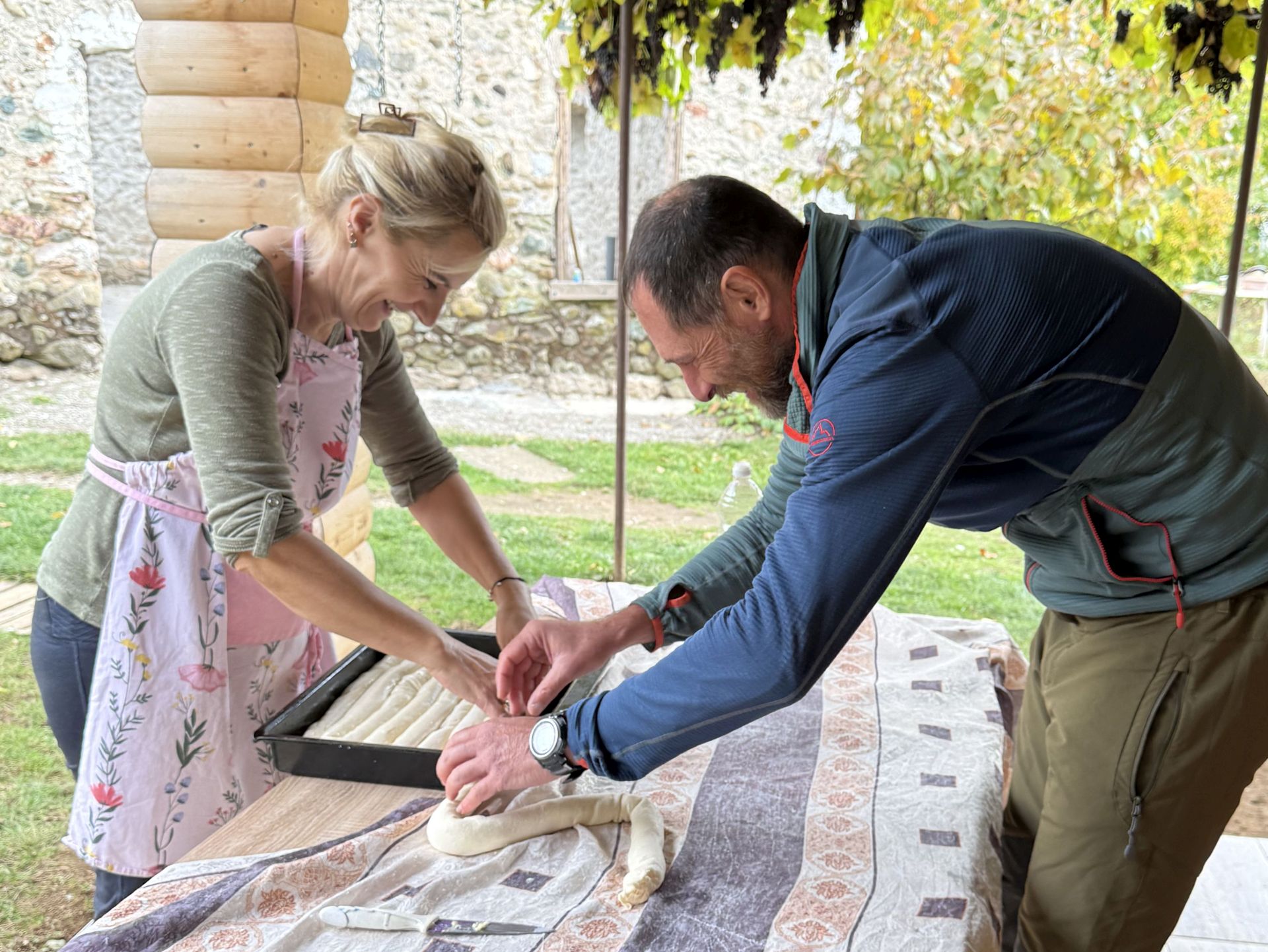
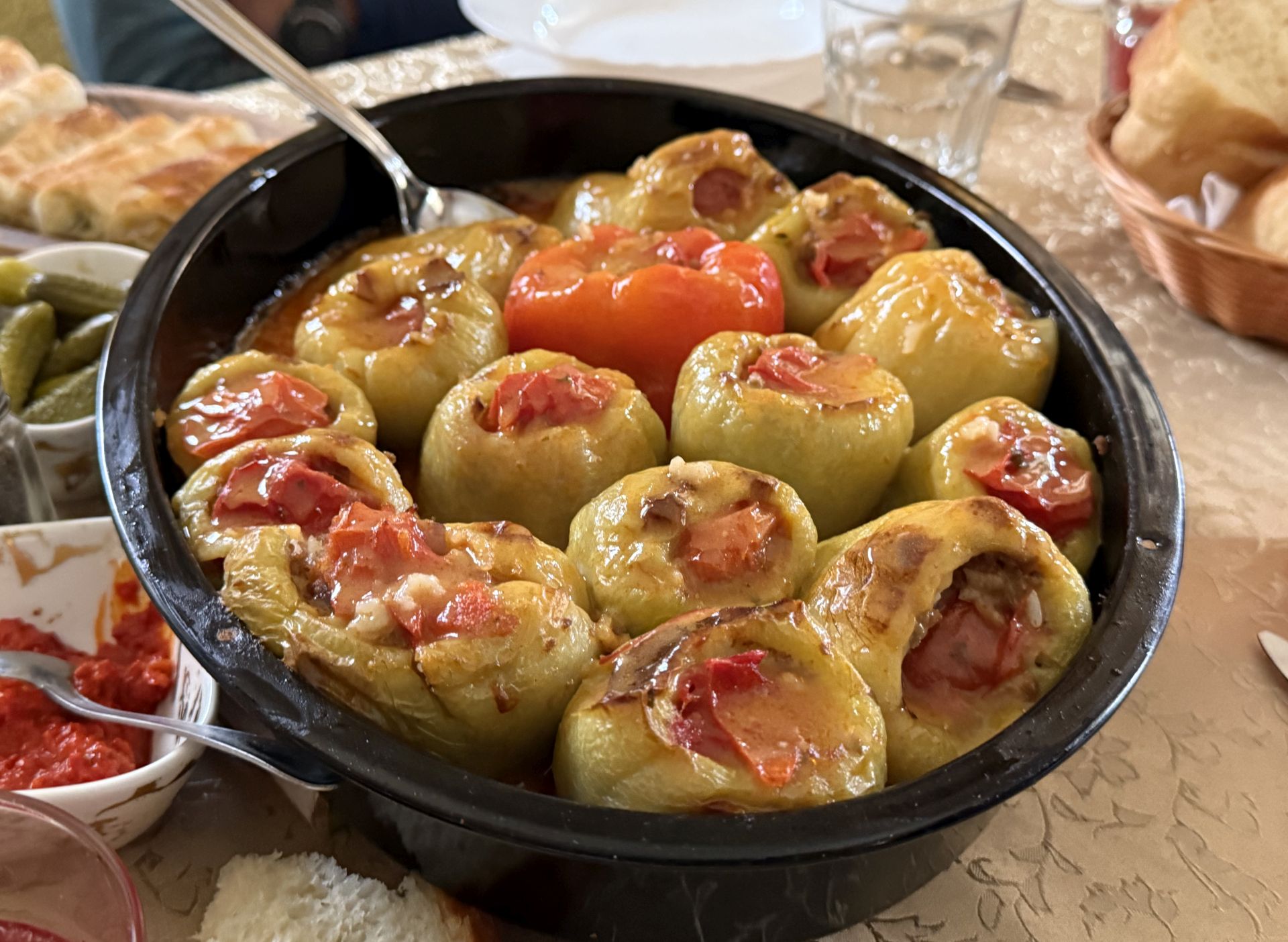
By the way, a special experience was offered by Sanja Simonović Delević from rural household ‘Medeni Brijeg’ in Berane. She showed us how to cook stuffed peppers and ‘pita’. We picked the vegetables directly from her garden and participated in the cooking process. It was real fun! The participants in the trip looked with admiration how Sanja prepared the dough for ‘pita’ and we were especially astonished when our colleague Matteo succeeded in making a ‘pita’ by himself.
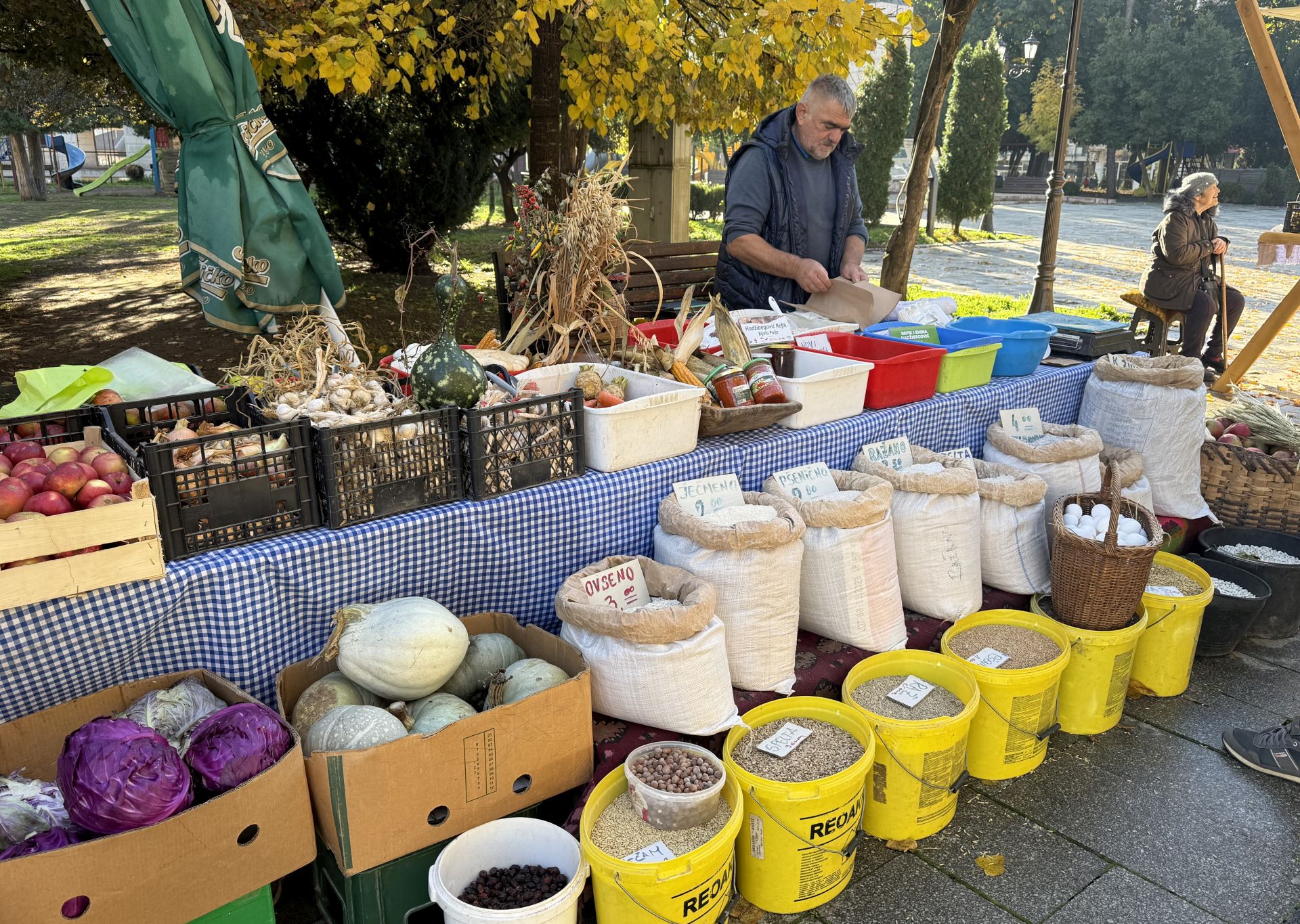
On the fifth day of our visit, a Slow Food Exhibition was organized on the main square of Bijelo Polje. The primary goal of the exhibition was promoting local, traditional, artisanal food products from Montenegro and the neighboring countries.
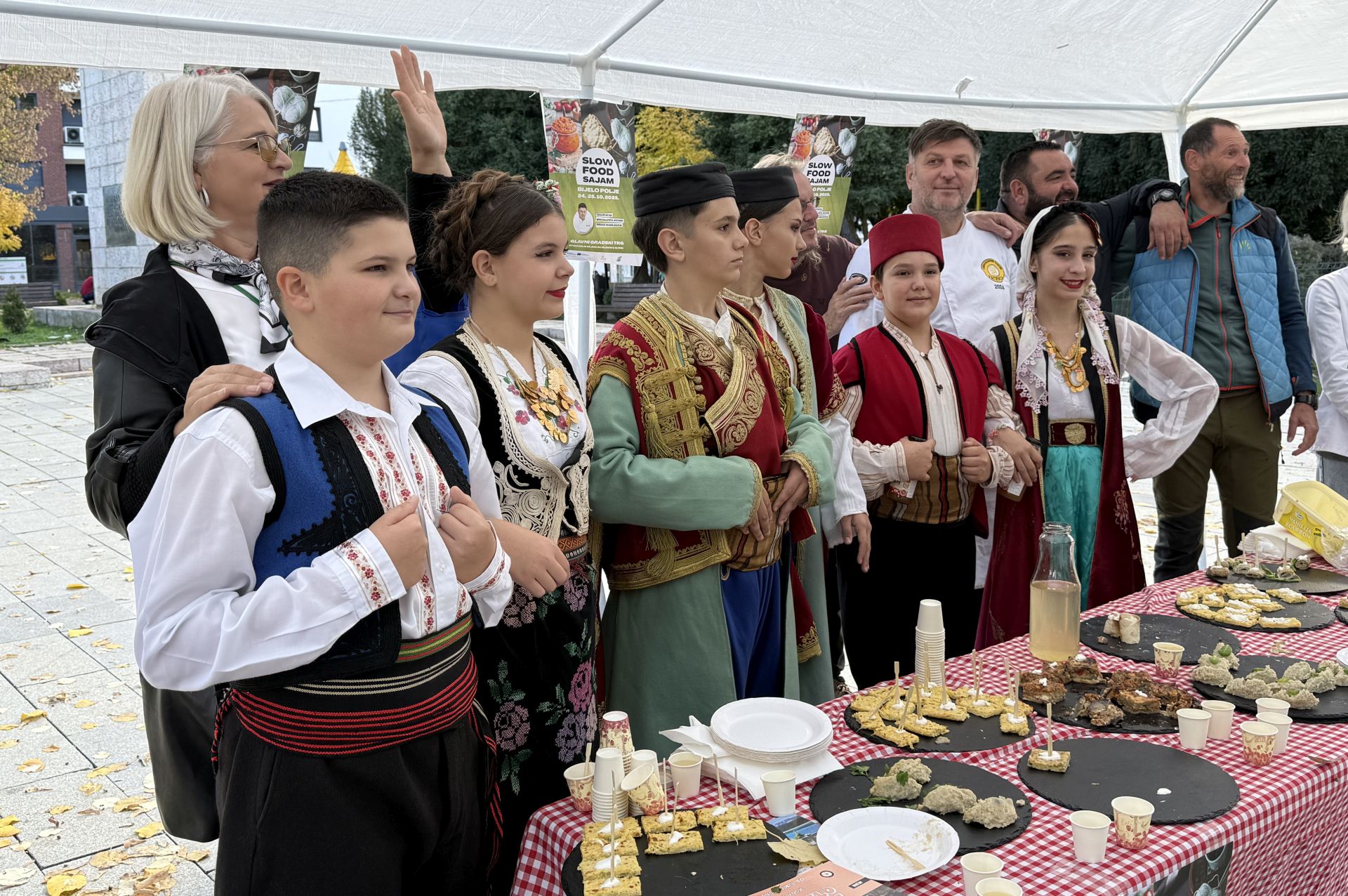
A special impetus was given by the presence of international TV chef Nihad Memeledžija from Sarajevo, who prepared excellent snacks on the spot and organized/cooked an exquisite dinner for the participants.
By the way, my sincere compliments to the organizers of the SReST study trip and the Slow Food Exhibition. Sabina and Musa Ramović from NGO Kisele Vode did a highly professional job. An important contribution to the Slow Food Exhibition was also made by chef Nihad Memeledžija. I really did appreciate the way he cooked dinner and explained to the owners of rural households how to build up a classic Italian dinner.
This study trip has confirmed my opinion that ‘elite tourism’ does not mean accommodating well-to-do people in five-star hotels. Such hotels look like each other, in every country. I think that people who have traveled around the world love experiencing something special, something exceptional. Many foreign tourists, particularly hikers and bikers, would like to escape from the crowds and spend a few days in a clean and comfortable farm household, where they can enjoy nature, but also eat and cook authentic food. This type of tourism is a perfect chance for the members of the Slow Food community in northern Montenegro and beyond.
We, the participants, all learned from this study trip that it is essential to preserve the local culture, food and tradition, to protect biodiversity and raise the awareness about the impact of food on our environment.
Thank you Marianne for putting down such a nice written-photo report, fixing memories and preparing new ones!
Thank you Marianne for putting down such a nice written-photo report, fixing memories and preparing new ones..
Hi, Marianne,
one more time: Great pictures and a very nice report. Next year we will travel to Montenegro, again. This year we just travelled to Bosnia, Macedonia and Croatia and to the Netherlands. Time was oimited, sorry….
Greetings
Reinhard K.
[…] I am not a foodie! I just want to tell you something more about the food I tasted during the slow food tour we made with a small group of foreign bloggers and tour operators through the northern part of […]