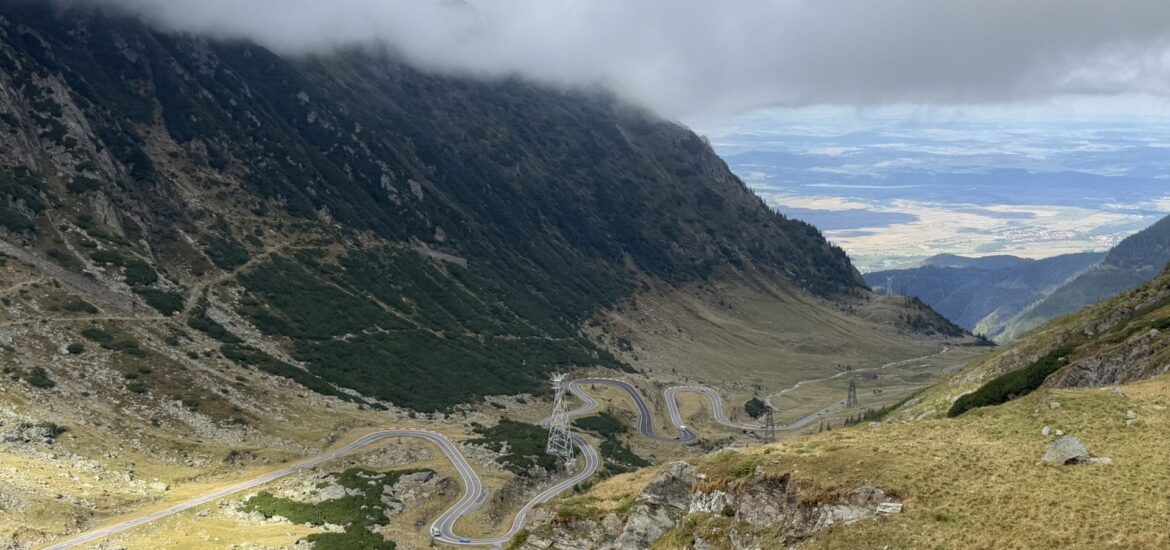
One of the highlights of our recent round trip through Romania was the famous Transfagarasan Highway, which belongs to the country’s main attractions.
If you drive from north to south, the ‘Drumul National’ (National Road DN 7C) begins in Cartisoara and ends in Curtea de Arges, covering a length of about 120 kilometers. However, the most scenic section of the Transfagarasan is about 90 kilometers long and takes 3–4 hours to drive. Just imagine: the road crosses 830 bridges, 27 viaducts and 5 tunnels!
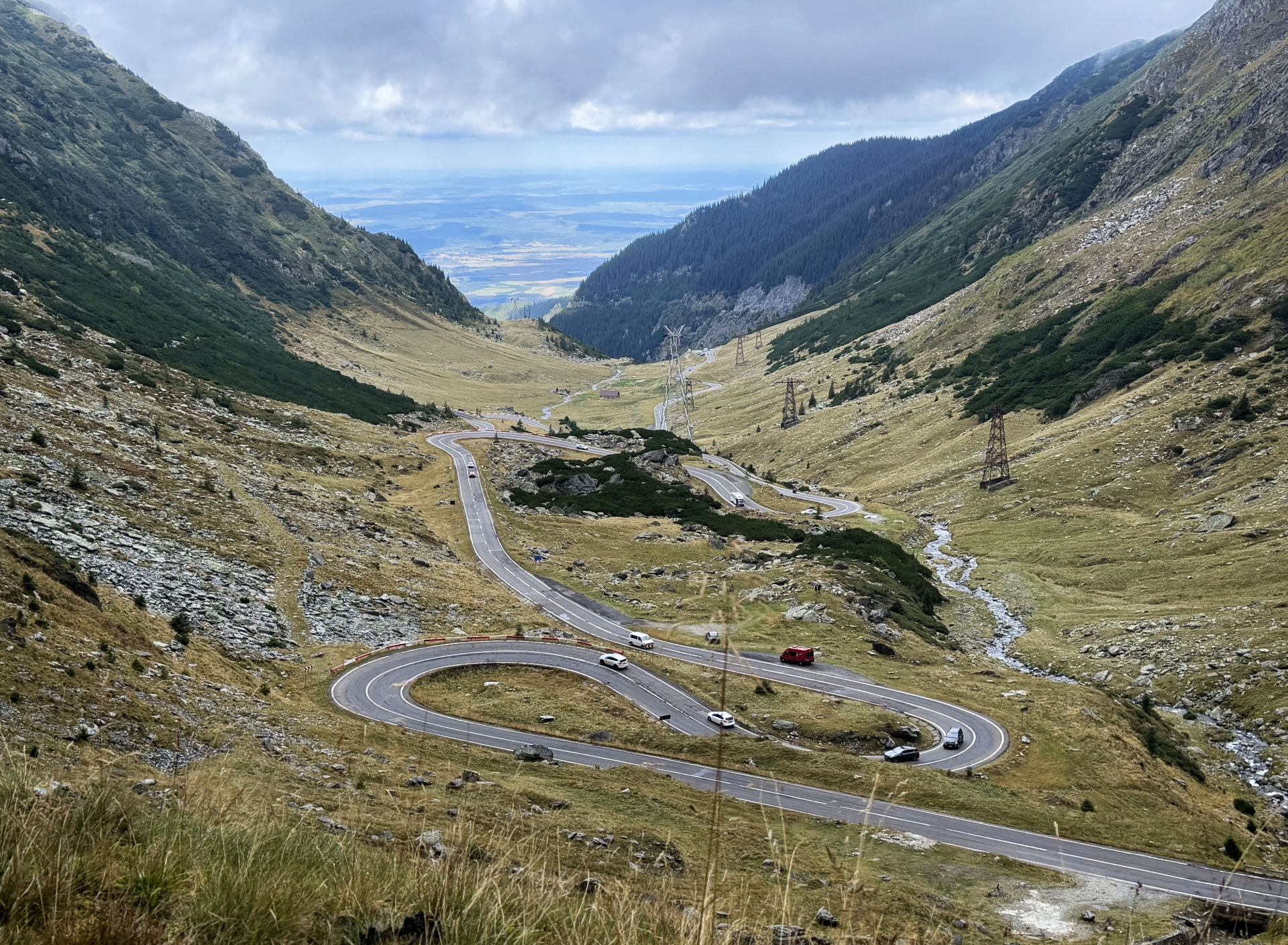
The Transfagarasan highway was built in the early 1970s as a strategic military route by Nicolae Ceausescu. The communist dictator wanted to ensure quick military access of the Romanian Army across the Fagaras Mountains in case Romania was attacked by the Soviet Union.
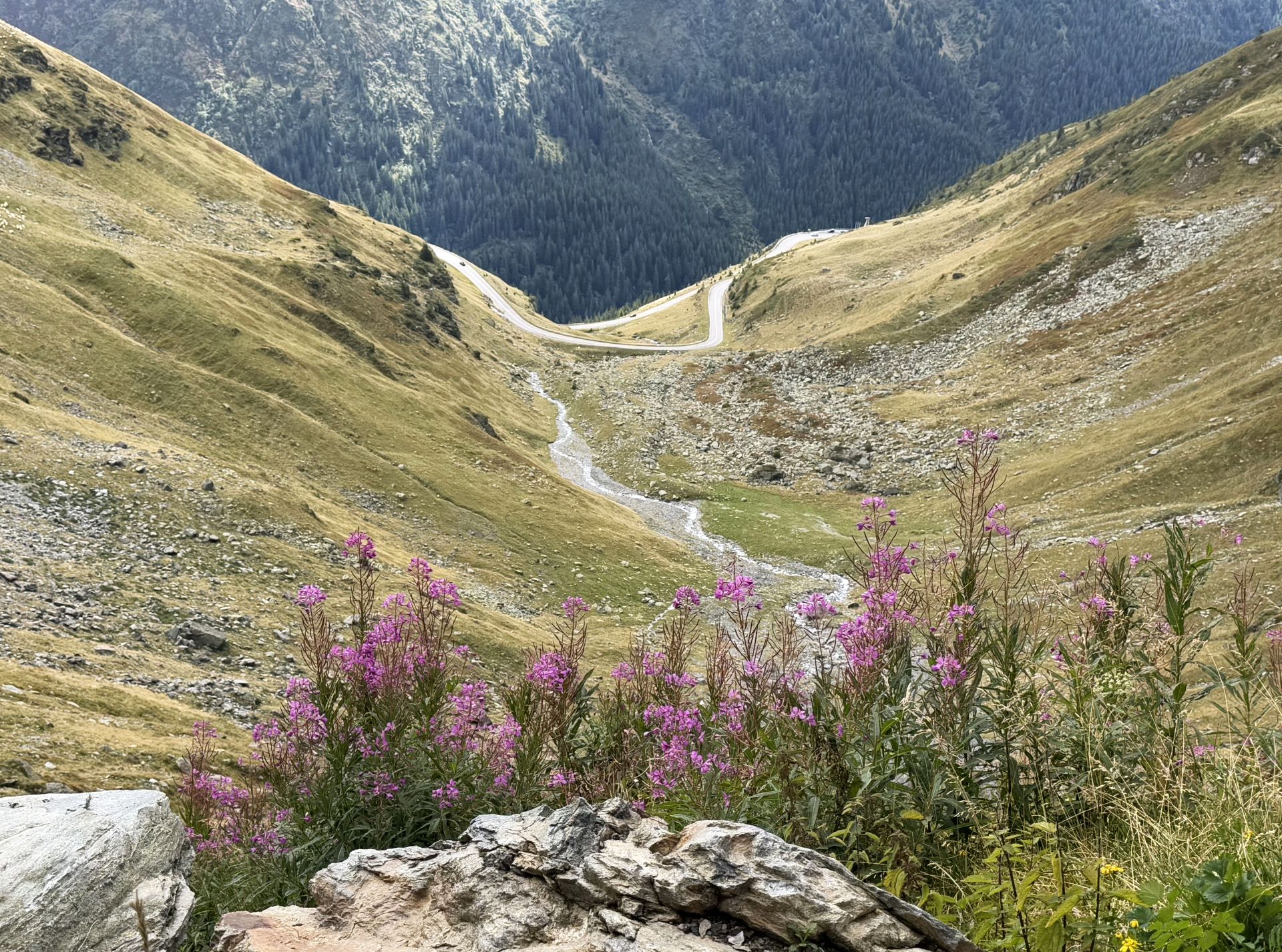
Constructed mainly by soldiers, the road took a high human and financial toll. Untrained military personnel, working at an elevation of 2,000 meters and barely familiar with the use of explosives, led to hundreds of troops losing their lives, although the official records state that only 38 soldiers died. Was this necessary? No, it is now considered as ‘Ceausescu’s folly’, but we must admit – it has become one of the most beautiful roads of Europe!
We knew that the highway is only passable four or five months a year, as it passes through very high mountains. It is very crowded in July and August and that was the reason why we traveled in September. Currently, the driving hours are restricted between 6 am and 10 pm and the recommended speed is only 40 km/hour.
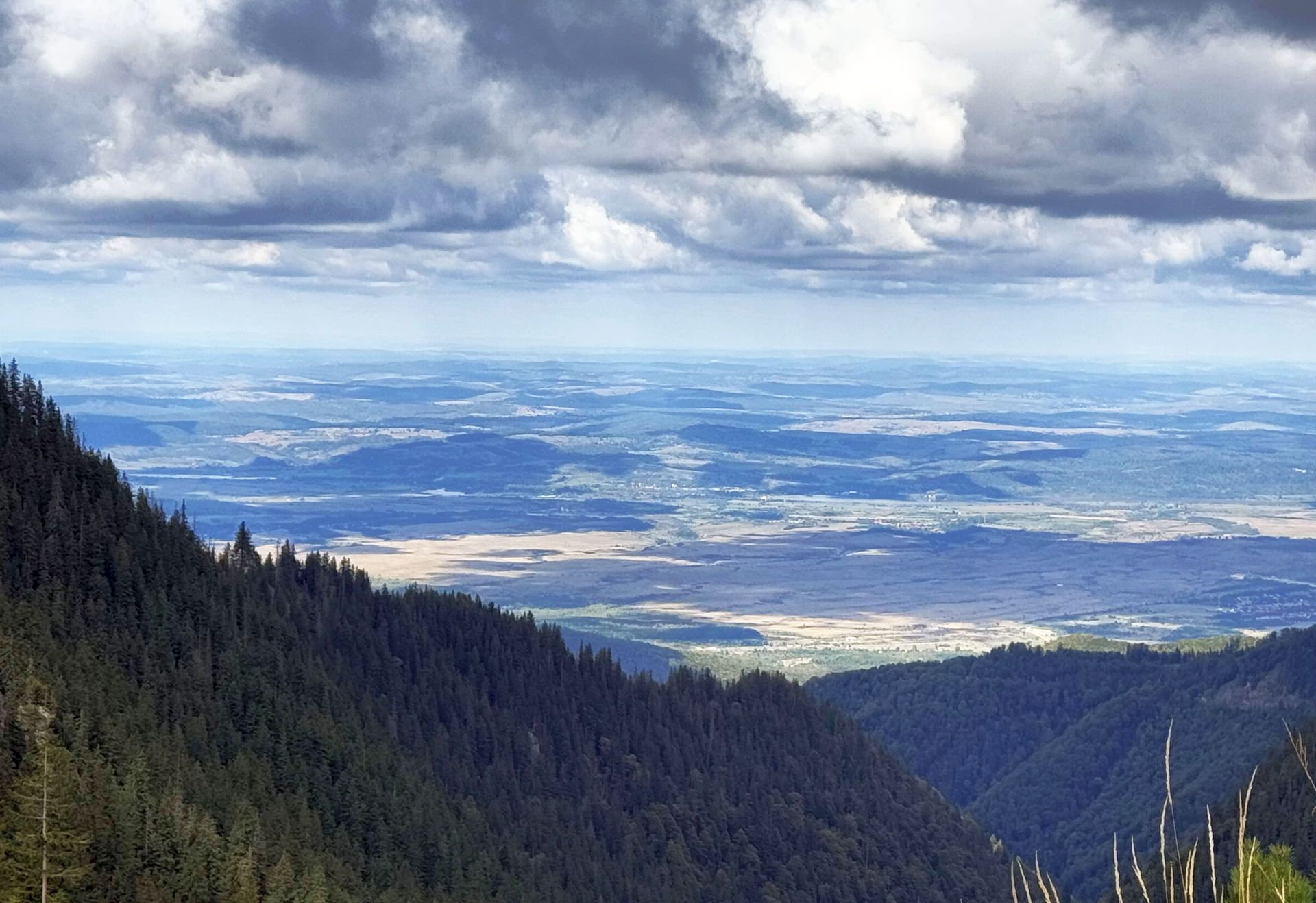
Coming from the north, we started our tour in the village of Cartisoara. The valley was sunny and warm, but we already saw clouds gathering around the mountains in front of us. The climb into the mountain ascended gradually. We passed through dense forests and, honestly speaking, we could not see much of the highway itself until we reached the tree line.
There were some warning signs along the road: ‘Don’t feed the bears’, ‘Don’t get out of the car’ – but we didn’t see any sign of these wild animals.
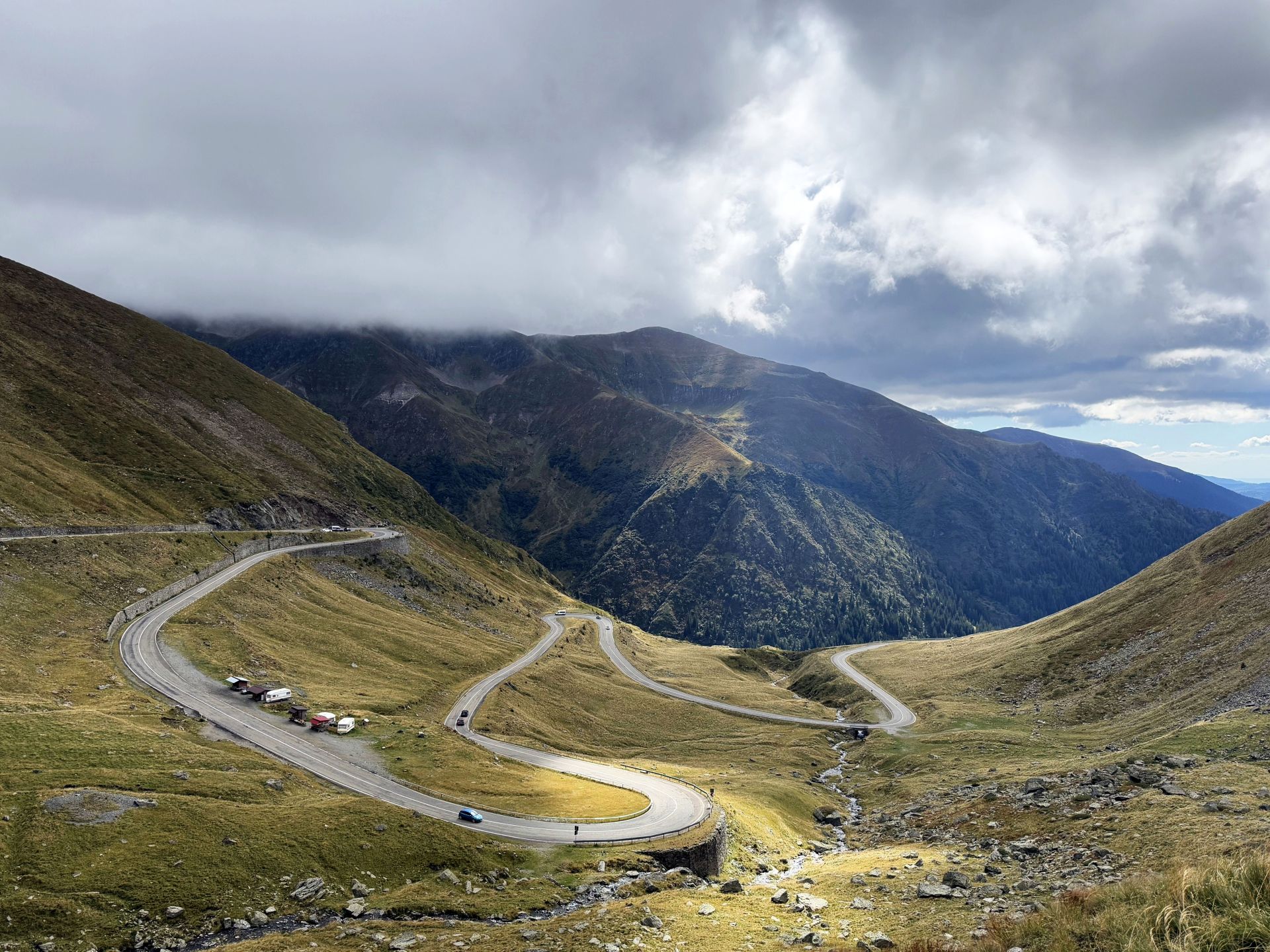
Finally, the road opened up into a stunning view of the valley below. Dark clouds above us, but bright sun down in the valley. Hairpin curves seemed to hang out on the cliffs’ edge. Between Balea Waterfall and Balea Lake we reached the highest elevation (2,042 meters). It was bitter cold and foggy up there; the temperature dropped until 3 °C!
Balea Lake seemed to be a popular place for a break, with many food stands, restaurants and souvenir shops – but it looked very commercial and we continued our trip to the other side of the mountain.
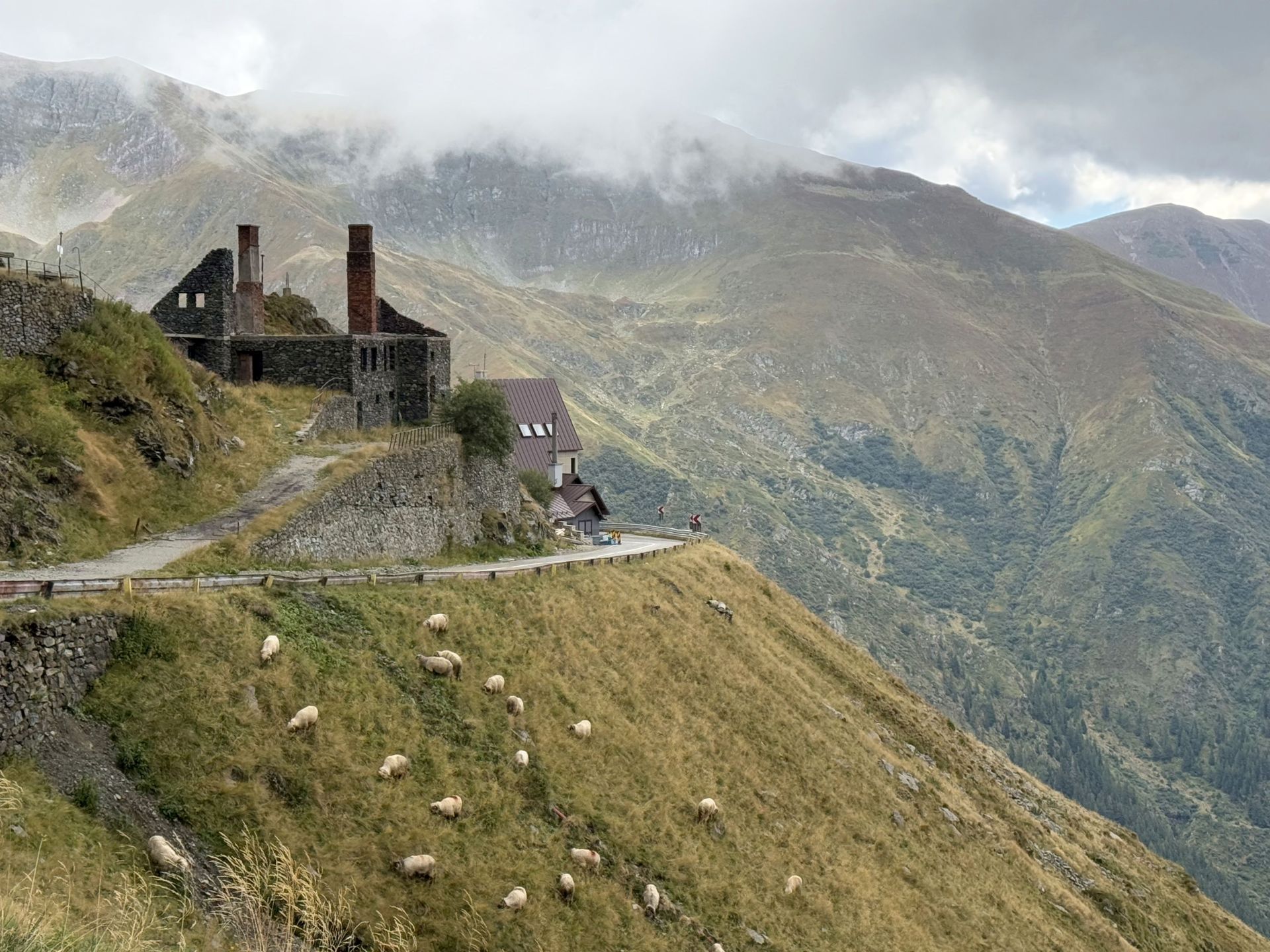
When we started driving down, we passed several hairpin turns and dramatic viewpoints. The panoramas were breathtaking indeed! Magnificent waterfalls, sheep grazing on almost vertical green slopes accompanied by their shepherd, and, of course, the road itself, composed an amazing picture that is hard to describe.
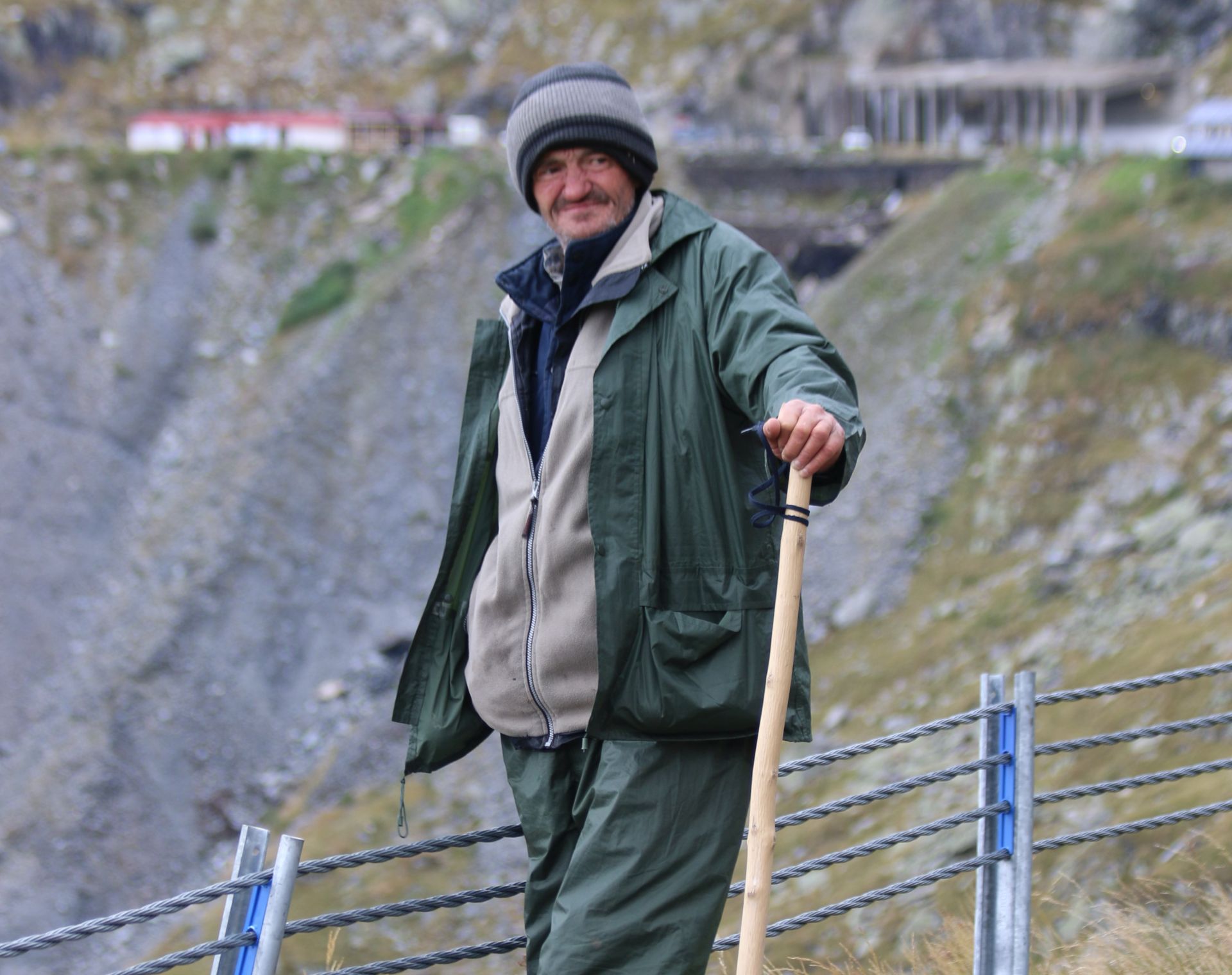
Eventually, the landscape flattened and the road became more predictable. Before reaching the bottom, we were driving along the shores of Lake Vidraru, an artificial lake created by the construction of the Vidraru Dam. The dam was completed in 1966 in order to produce hydroelectricity.
The last part of the road passed through dense forests. Although we didn’t expect seeing bears, it really happened! We saw some cars standing still on the road in front of us and there he was: a big brown bear, just quietly standing there, obviously expecting food. It is difficult to describe my feelings, but it was a great moment indeed! We took photos from inside the car and concluded that the bear was not aggressive at all. Later on, we saw another two bears along the road. What an amazing experience!
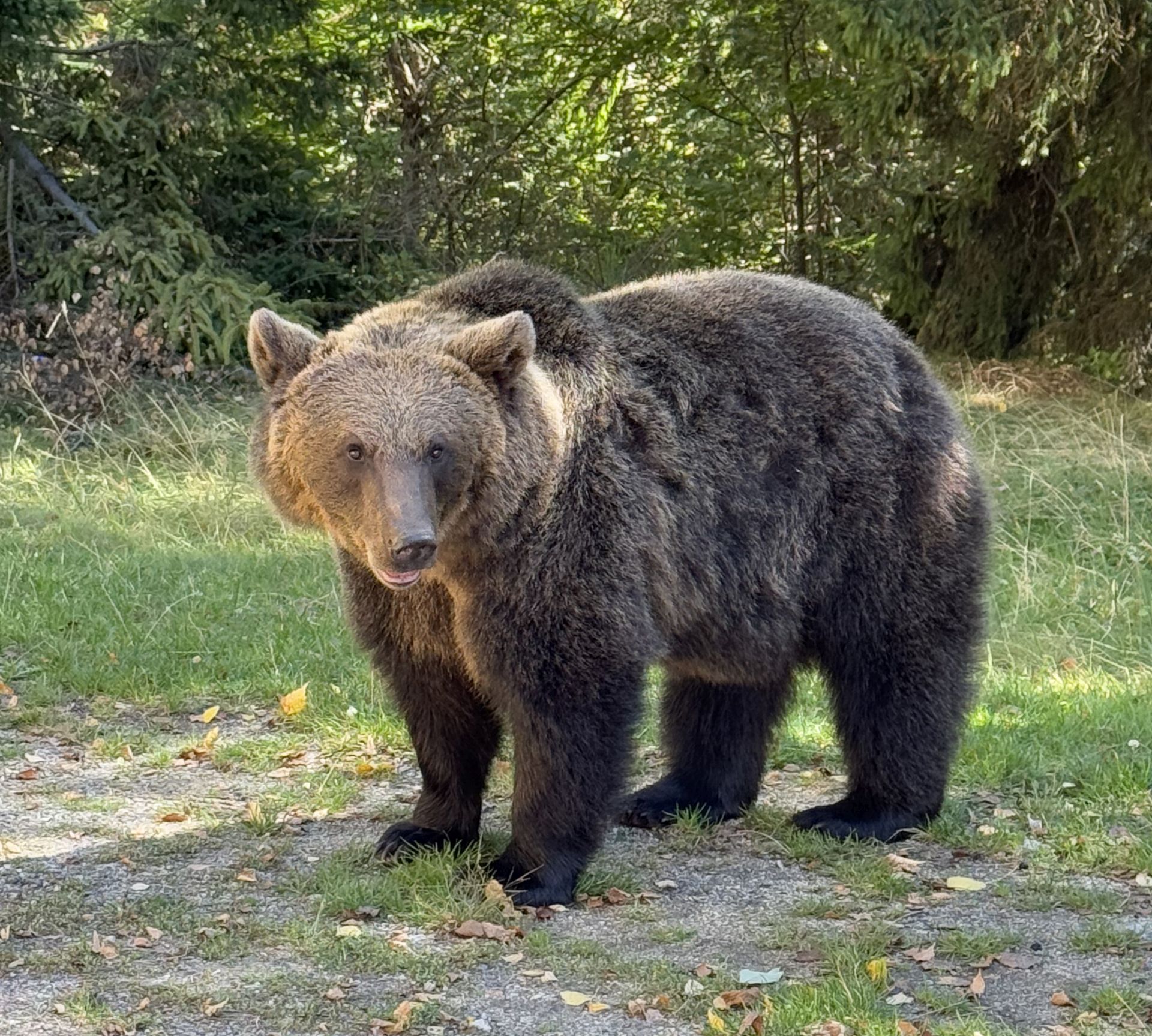
Although it was announced last year that the bears will be captured and relocated to the Libearty sanctuary in Zărnești, this has not happened so far. It seemed to me that the animals got used to tourists giving them food, despite the authorities’ repeated calls to avoid any contact with the wild animals and the risk of being fined for doing so.
We ended our road trip in Curtea de Arges, collecting our amazing impressions of the Transfagarasan road that will always be in our memories.
Indeed, a great trip!
What an amazing trip. thank you for sharing.
Thank you for sharing this rare journey or a road I have never heard of but as you write it I now want to go.
Wow, Marianne, this one I like to do; I will throw it in with the ladies in my family. U turn, I drive!
About the bears not seeming ”aggressive.” Sorry, but you shouldn’t trust your own judgement here. Thrybwill not seem aggressive until they suddenly are. Better to follow the advice of the authorities/experts.
[…] our road trip through Romania in September, we also visited the region of Transylvania. No, we were not only interested in the […]