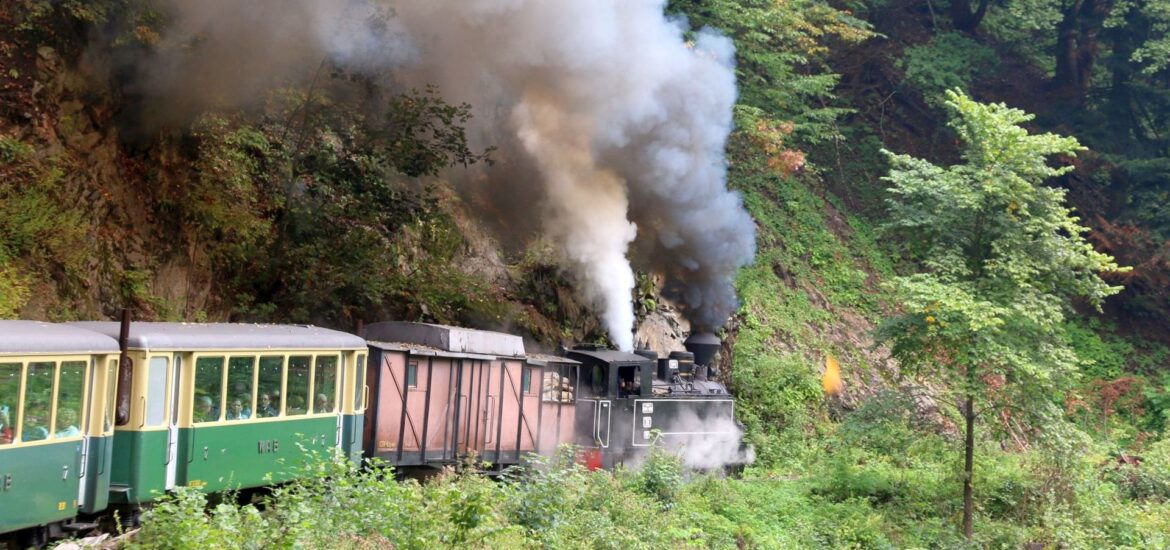
One of the highlights of our round trip through Romania in September was the ride with the narrow-gauge Mocanita steam train.
This nostalgic forestry train is one of the last narrow-gauge steam trains in Europe. The forest railway was built in 1932. Initially, its only purpose was to transport timber from the forest in the Maramures Mountains. But nowadays, things have changed.
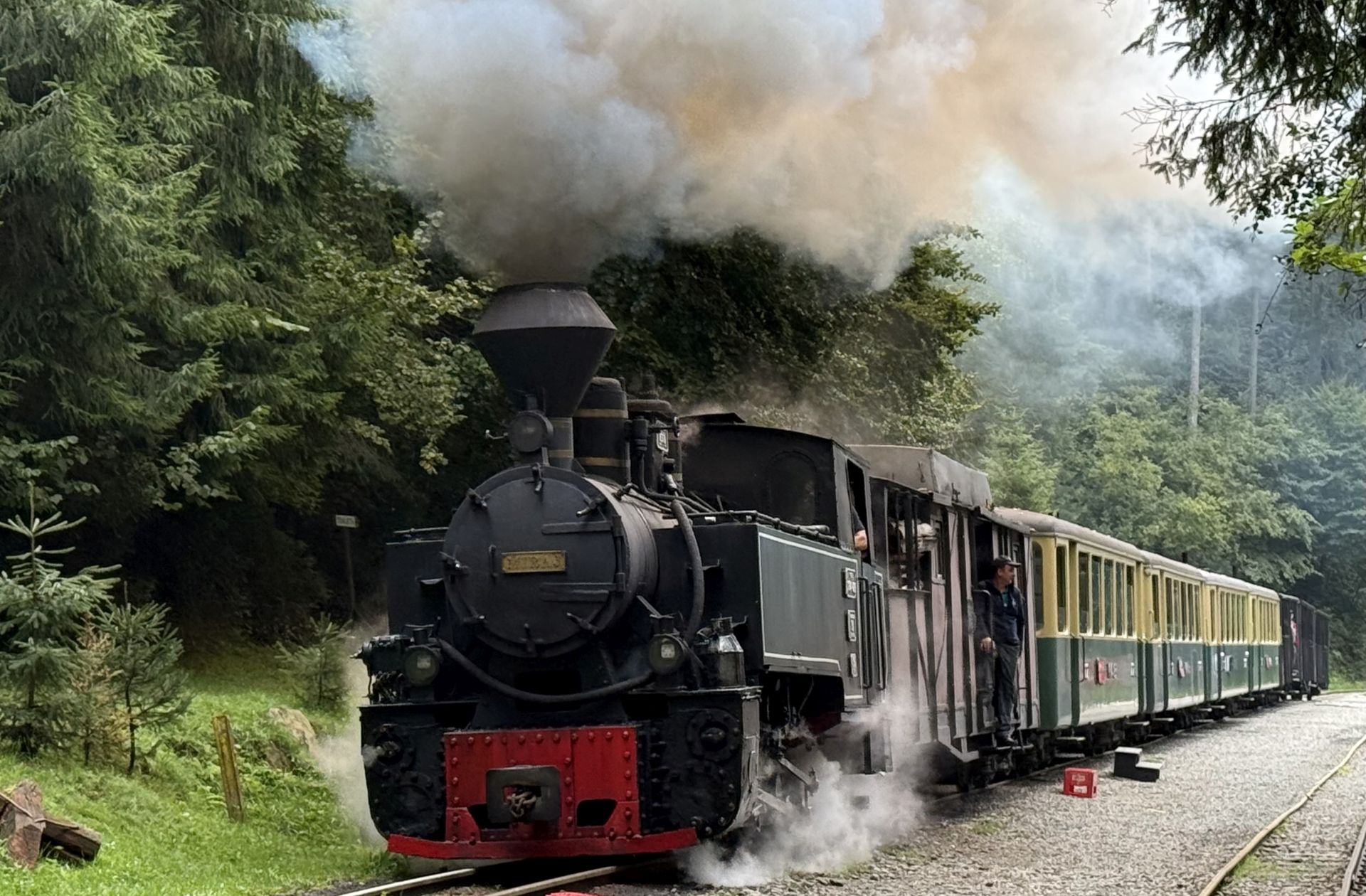
It’s true, the narrow-gauge steam trains are still going each day almost 46 km inside the forest for bringing down logs loaded wagons, as the timber is daily needed by sawmills and wood industry in the village of Vișeu de Sus. But in 2000, someone had the amazing idea to use the Mocanita (in translation: ‘The Shepherdess’) as a tourist attraction. This experience is getting more and more popular among foreign tourists and it has now become a ‘must-see’ for visitors of the Maramures region. However, the route for tourists is only 21.6 km long. The departure is from Viseu de Sus station and the last stop takes place in Paltin station. Altogether, the journey lasts around 6 hours.
We spent the night in Viseu de Sus. Although the tourist season was almost over, we had got the recommendation to book our tickets in advance. That was a good idea: when we arrived at the station for the 09.30 train, it appeared to be very crowded. Many groups, most of them from Western Europe, were waiting for the departure and we saw that even six trains were planned for that day.
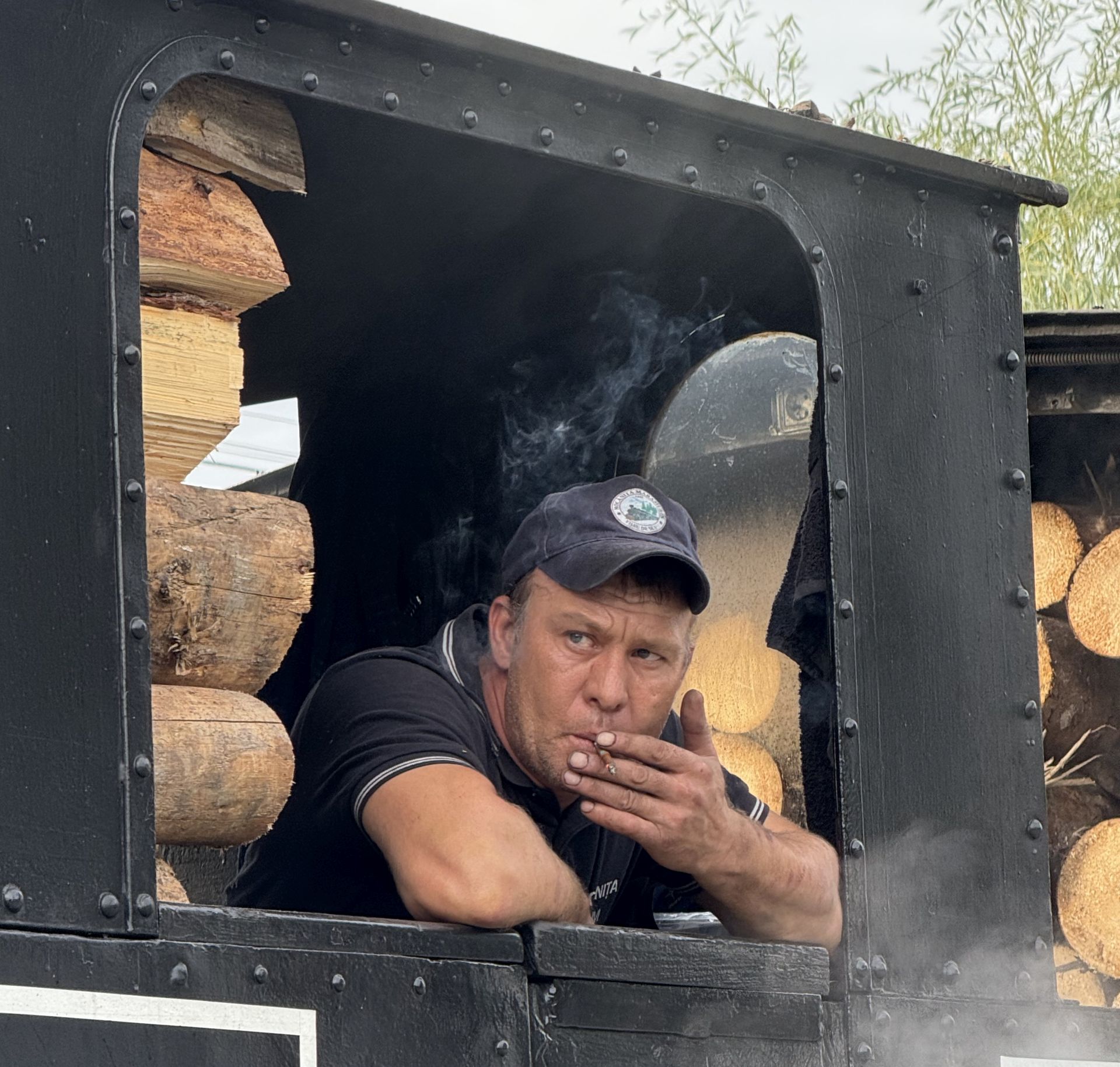
Although the passenger cars looked very authentic, with large windows, wooden ceilings and (uncomfortable) wooden benches, we took place in one of the open ‘wagons’, as the weather was pretty good and in this way we had better opportunities to take photos.
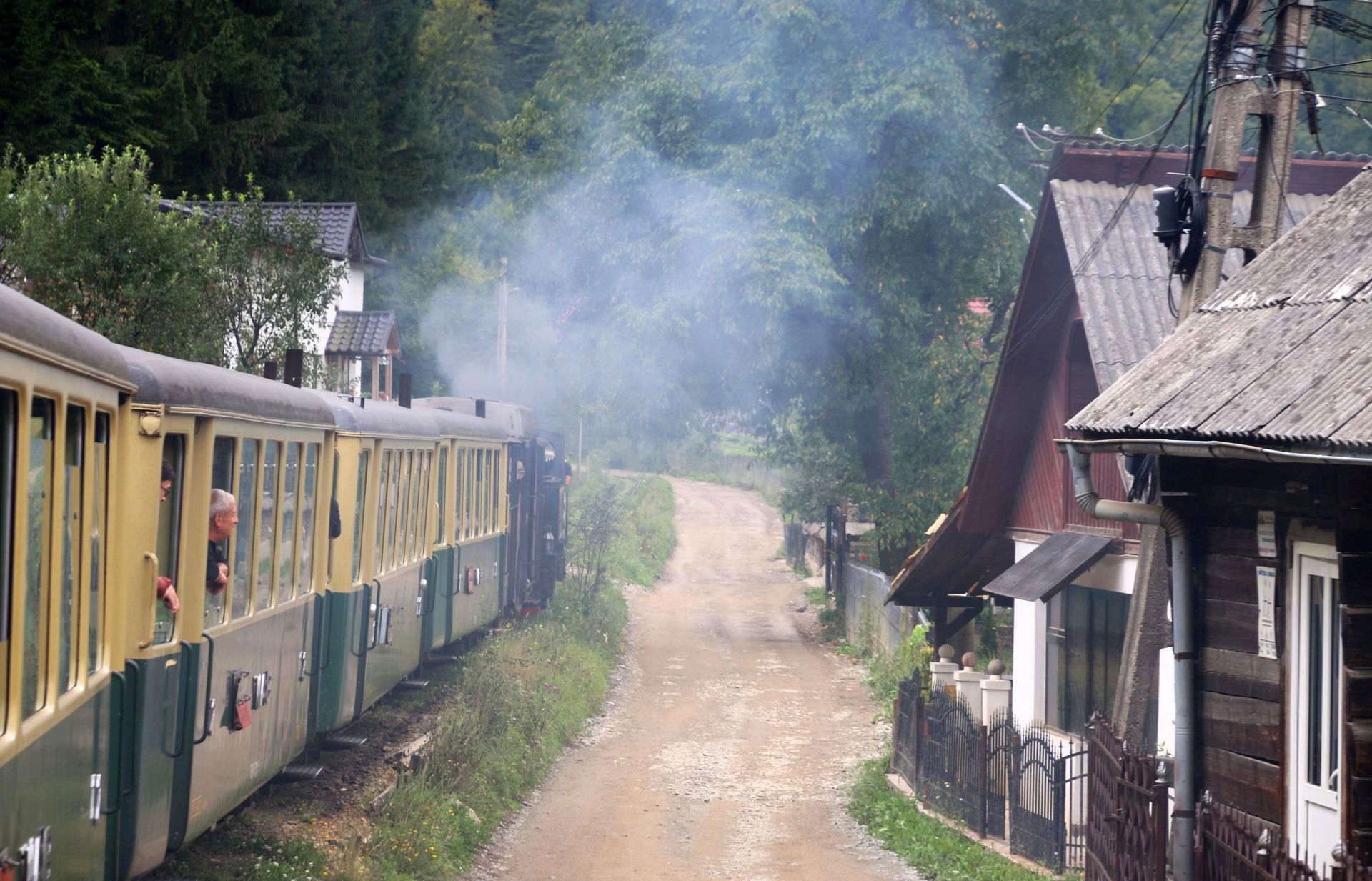
And so we started this incredibly picturesque journey into the high Carpathian Mountains, just a few kilometers south from the Ukrainian border. Before getting deep into the forest, the railway followed the Vaser river valley passing by colorful houses and green meadows. Then the train made its way on tracks meandering through beech forests, it crossed bridges and even passed through a wooden gate typical for Maramures.
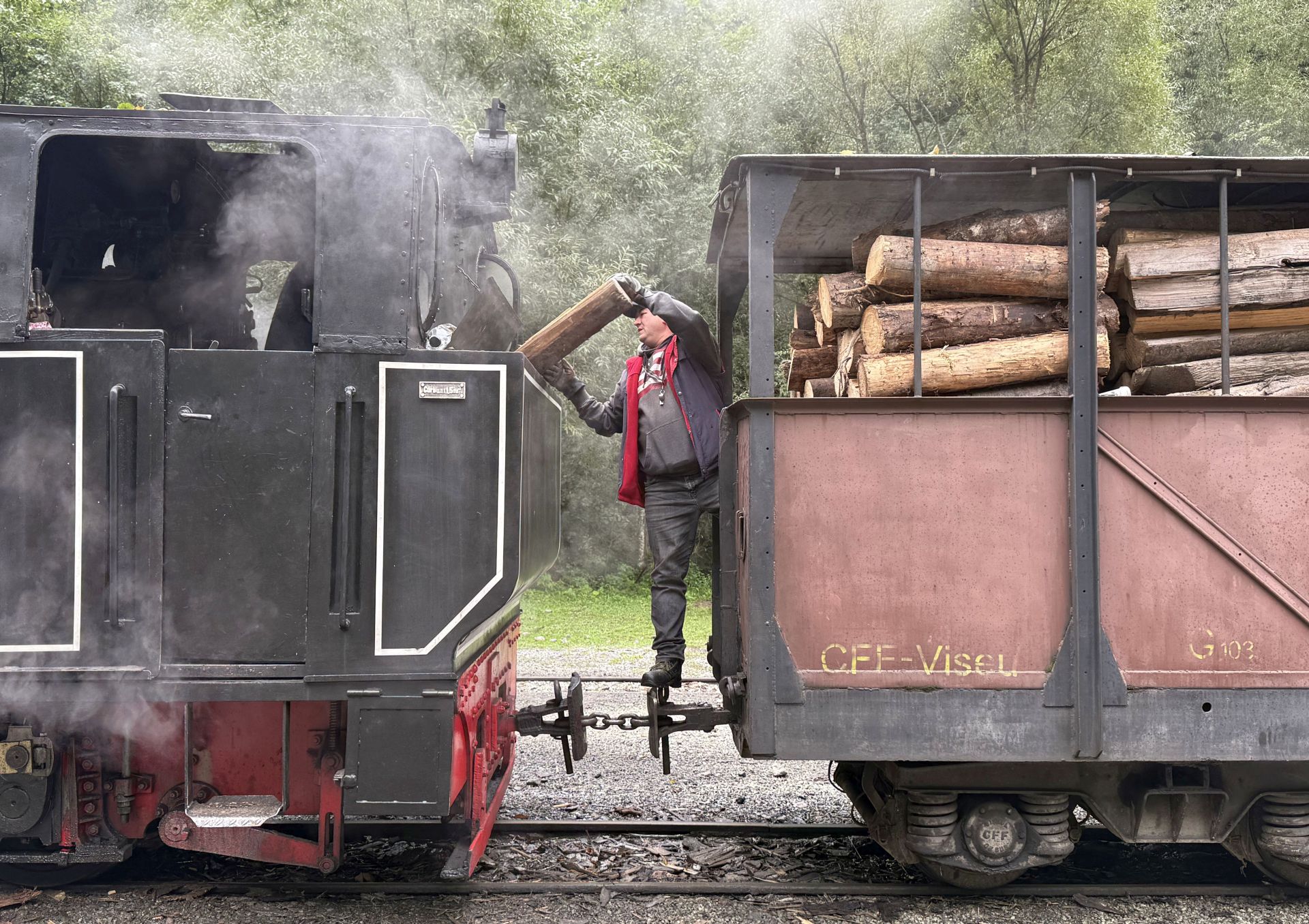
The Vaser river formed a dramatic narrow valley that sometimes looked like a canyon. Trucks were loading huge logs on the river banks and – as there were no roads – we could not understand where did they come from.
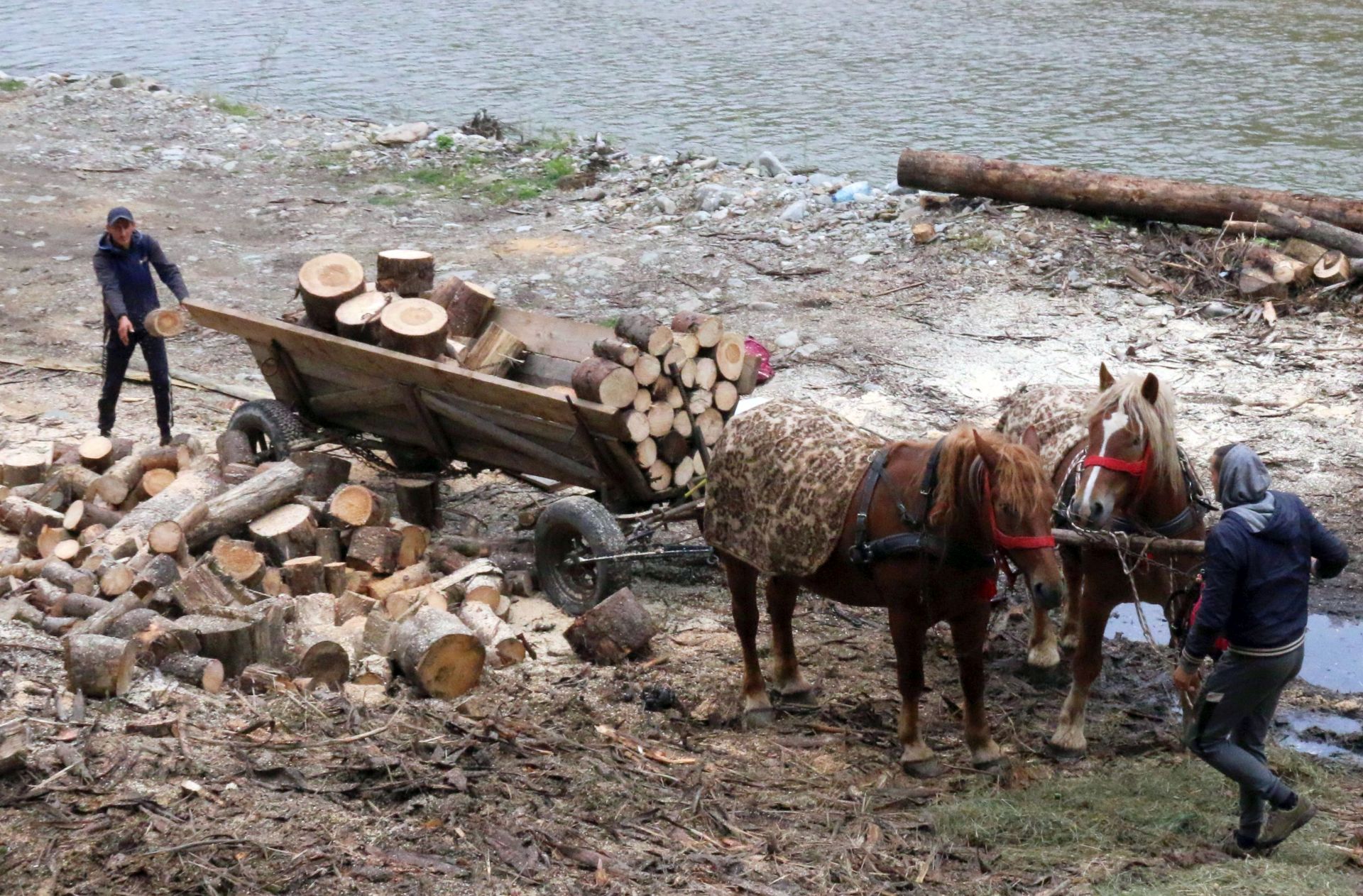
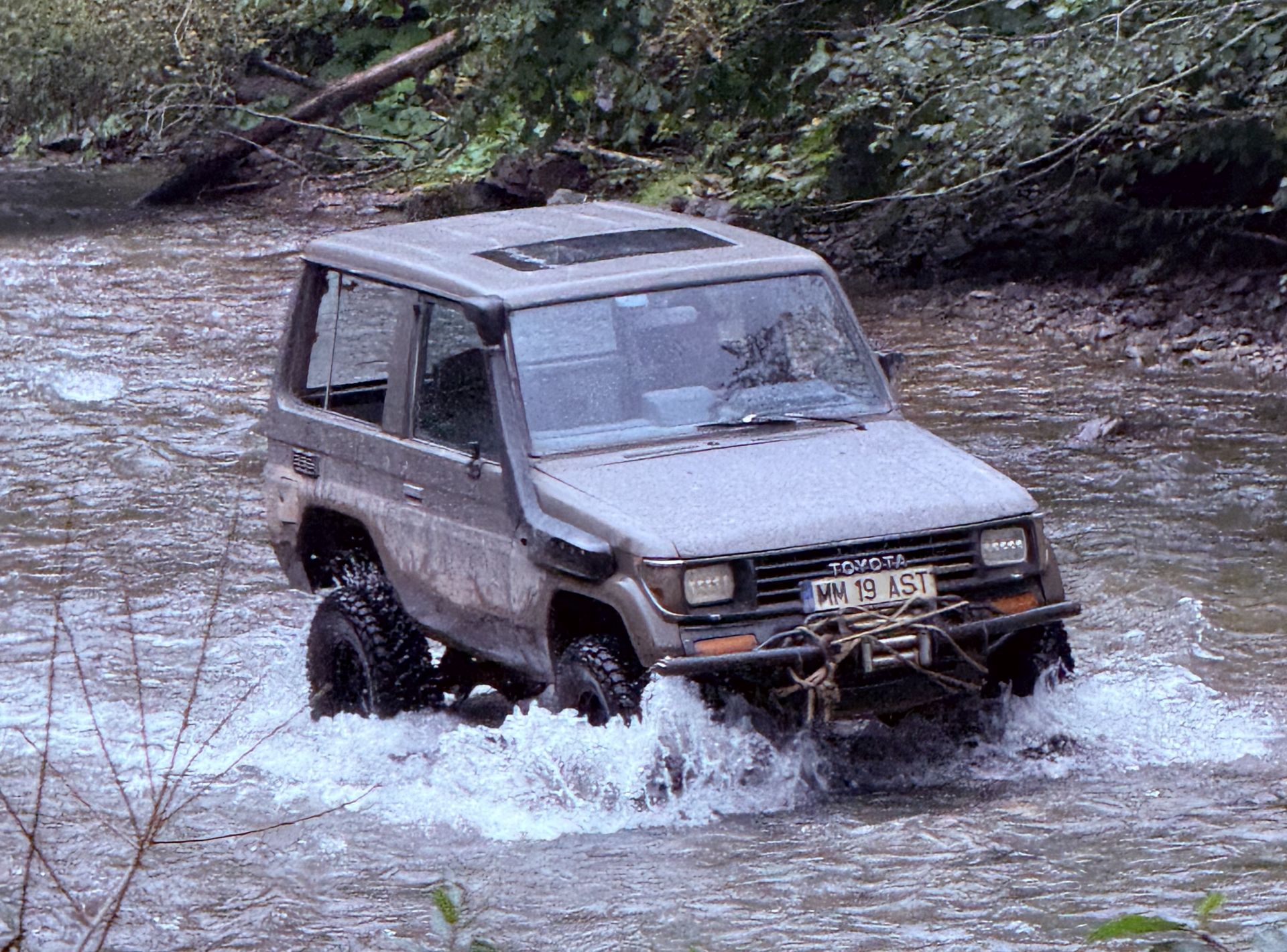
We saw men working on the land. Old women in colorful dresses tending the cattle. A couple with their horse cart collecting wood logs near the river. A jeep finding its way through the shallow river.
On the way up the mountain, the Mocanița made a couple of ‘water stops’ to replenish the water for the steam engine.
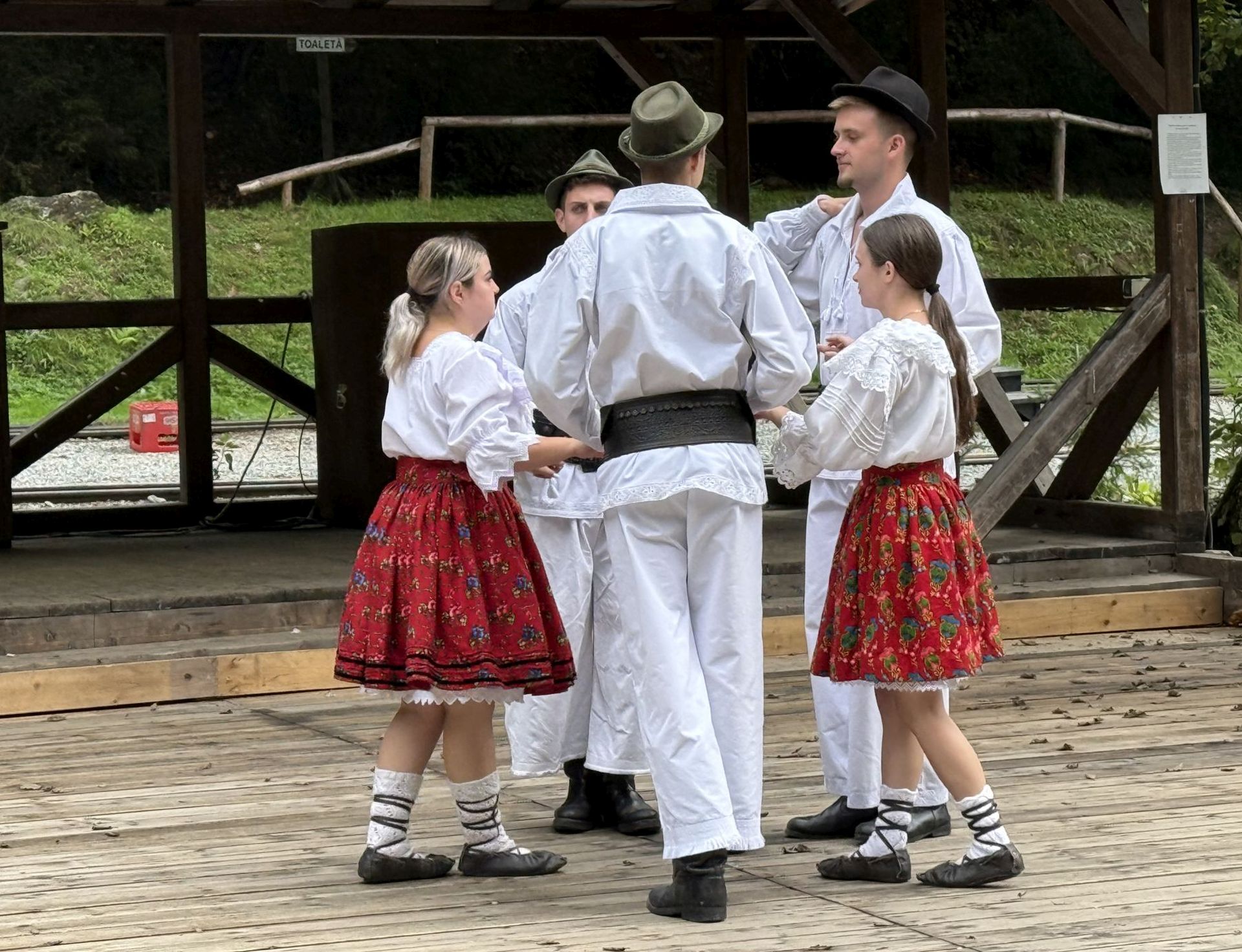
At the end of the ride, Mocanita stopped for about an hour on the river bank in Paltin. The place contained a picnic area where passengers could order a drink or a snack, but unfortunately, it was very crowded and even the small folklore group that danced the traditional ‘hora’ could not provide an authentic atmosphere.
But let me tell you more about the history of the Mocanita. Can you imagine that the exploitation of wood resources in the Vaser valley already began in the 17th century, under Austro-Hungarian domination? German-speaking colonists entered the forests first and transported the wood logs by rafting to the sawmills in Vişeu de Sus.
The construction of the forestry railway started in 1932. Compared to rafting, this was a huge technical progress. Forest railways could be seen everywhere in Europe at that time, especially in the Carpathian area.
Due to the development of road transport in the 50s and 60s, forest railways in Europe disappeared, but in Romania, they have remained active for quite a long time. At the end of the 80s, over 15 forest railways were operating in the country. Nowadays, the only functional forest railway is the Mocanita – all others have been taken out of service.
A ride with the Mocanita train is an unforgettable experience. I recommend this trip to all visitors of Romania who want to discover the authentic life in the forests of the Maramures mountains.
[…] Maramures, we admired the wooden gates and the beautiful nature, we made a train journey with the Mocanita steam train and visited the Merry Cemetery of Sapanta …Maramures was an eye-opener for us, a region I warmly […]