Sarajevo is often called the ‘European Jerusalem’ due to its multicultural and multi-religious character. Its history was shaped by Ottoman, Austro-Hungarian and Yugoslav influences, which can be seen in its architecture and social life.
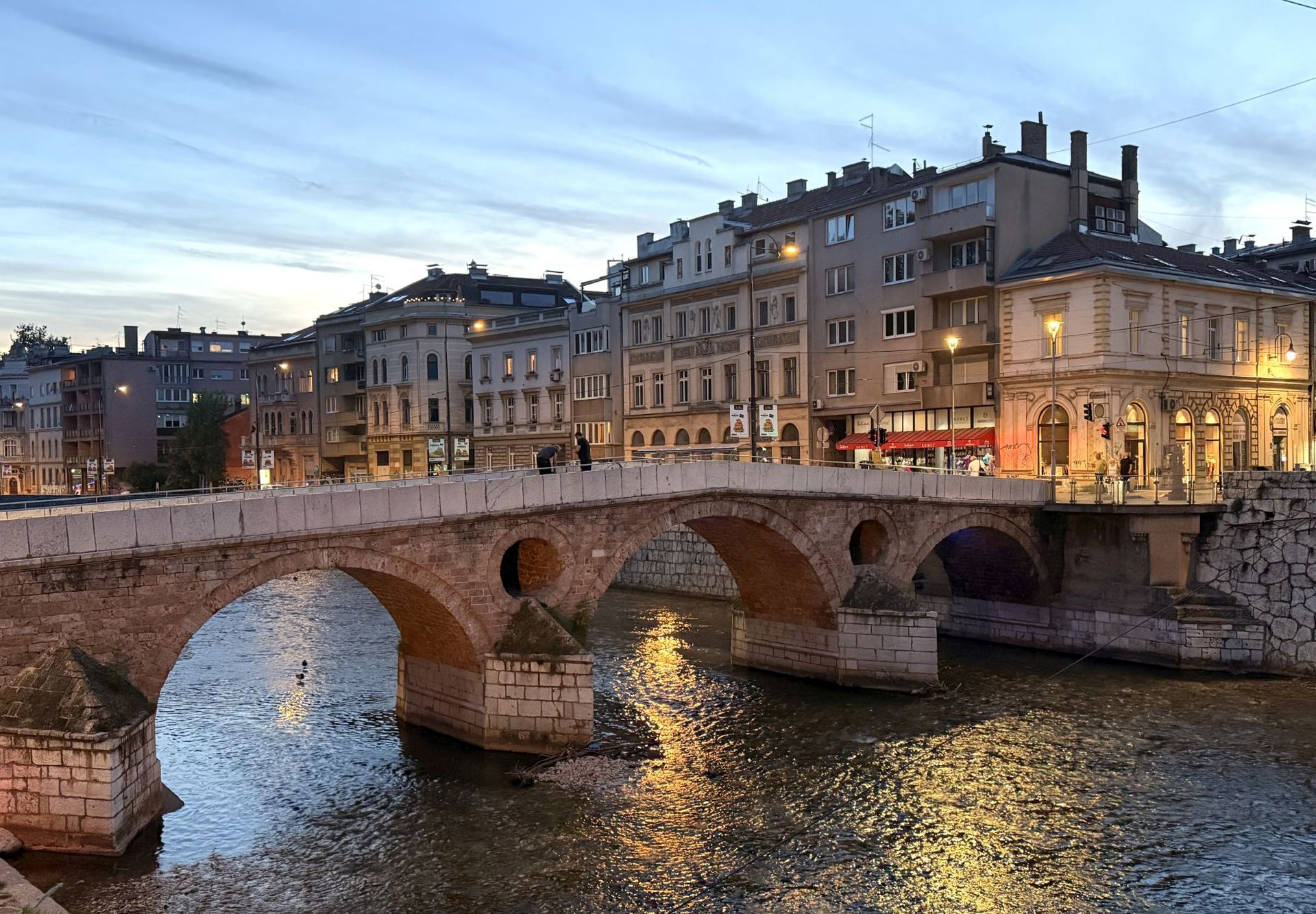
However, Sarajevo is also historically significant as the site where Gavrilo Princip assassinated Franz Ferdinand of Austria and his wife Sofia in 1914, triggering the start of World War I. That happened opposite to the Latin Bridge and for a long time, Sarajevo was mostly known for this assassination.
But what has become most important in recent times is the fact that Sarajevo endured the longest siege of a capital city during the Bosnian War in the 1990s.
The Bosnian war and siege are a significant and compelling part of the city’s tourism appeal. War-related tourism, often called ‘dark tourism’ attracts many visitors interested in the recent history and human stories of the conflict. Dark tourism is often described as ‘traveling to places historically associated with death and tragedy’. This can easily slip into voyeurism, when visitors see the sites of tragedy only for entertainment or curiosity, but it also offers the opportunity to honor victims and learn vital lessons to prevent recurrence. Everything depends on the intentions and behavior of tourists!
Keeping this in mind, we traveled to Bosnia and Herzegovina with the aim to learn more about the last Bosnian war. Taking advantage of the sunny weather, we spent a few days in Sarajevo with the intention to visit our friends who had experienced the siege.
Ten years ago, we had visited Bosnia’s capital city for the last time, although it is very easy to reach from Podgorica (a 4-hours-drive). This time, we took the route through Bileća and the Tjentište National Park, enjoying the beautiful mountain scenery.
Among others, it was our intention to visit the so-called Tunnel of Salvation and to hear the stories of our friend Saudin about the siege of Sarajevo.
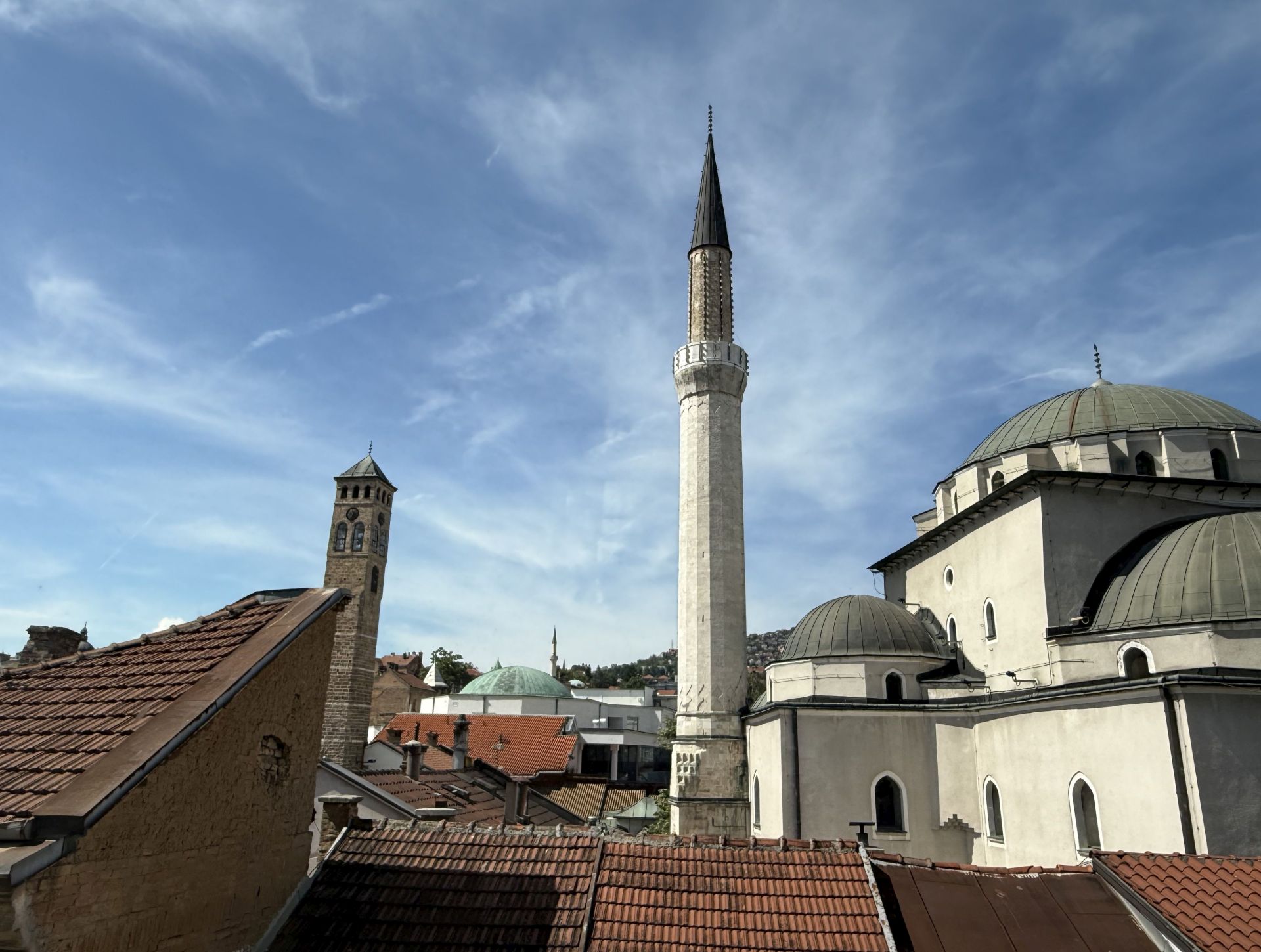
We booked the Old Town Hotel, located in the center of Baš Čaršija, the old Ottoman bazaar. The view from our window – showing the Gazi Husrev Bey’s Mosque together with the Clock Tower – was amazing.
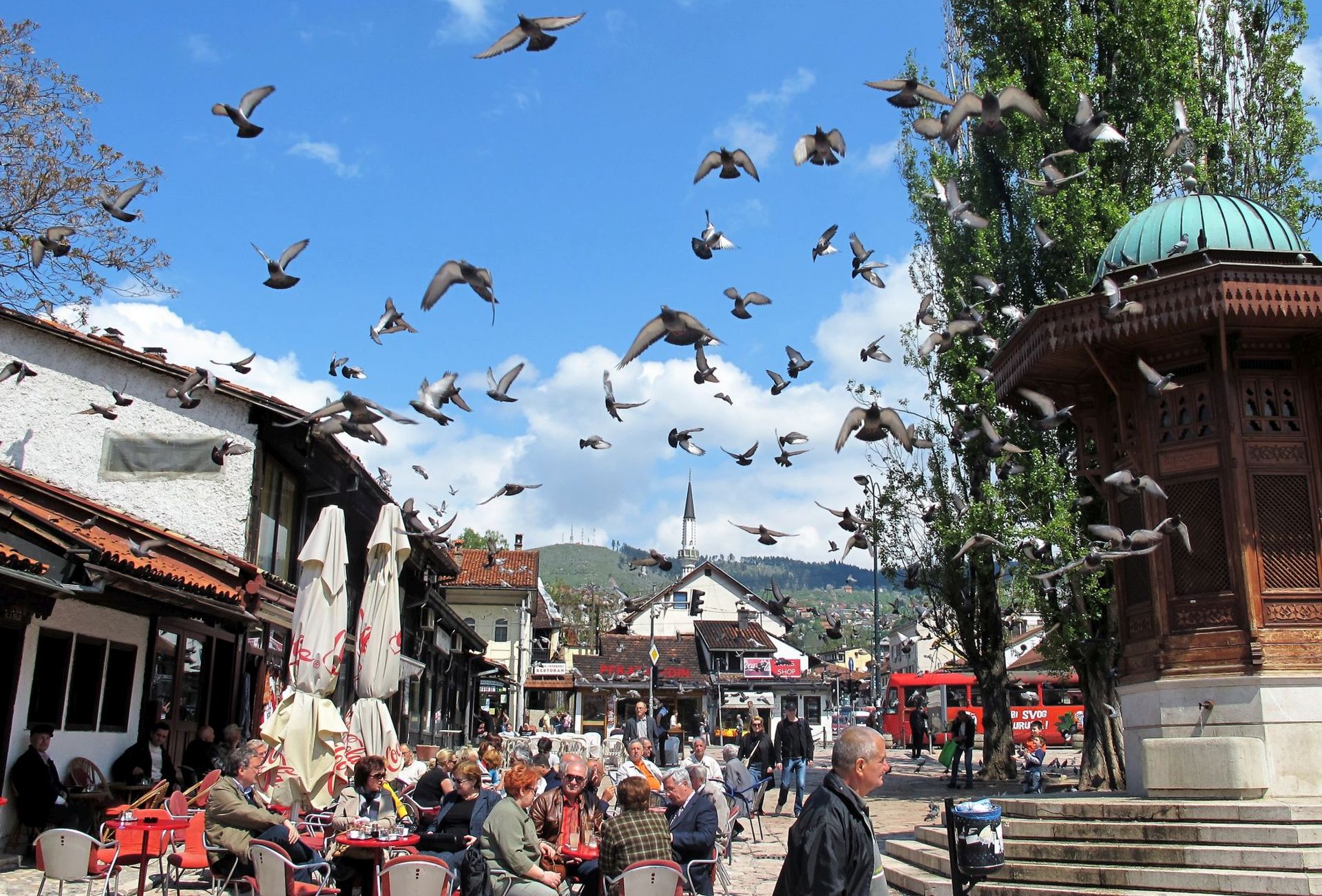
As we had already visited most cultural monuments of Sarajevo before, we started with a walk through Baš Čaršija, the heart and soul of Sarajevo. Of course, we enjoyed our coffee in front of the Sebilj Fountain on the ‘pigeon square’ and we had lunch at ‘Željo’s’, the most famous restaurant for ‘čevapi’, finger shaped sausages served with pita bread and raw onions. Delicious!
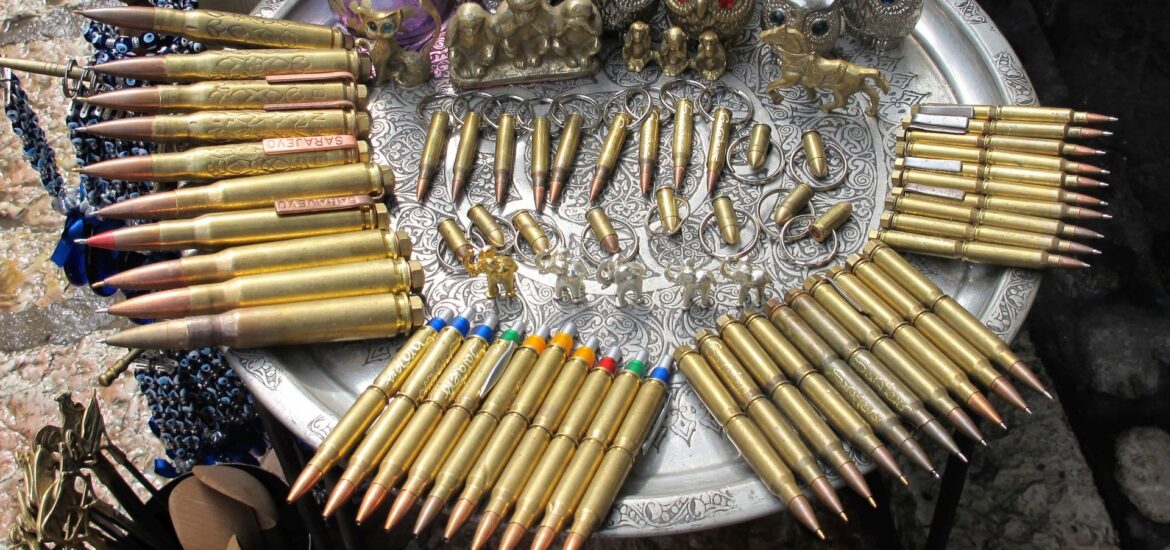
Although there were less war memorabilia in the souvenir shops than before, we could still find engraved bullet casings made into pens and anti-aircraft shell casings. I know, Sarajevo is not the only place where human disasters of any kind give ’extra spice’ to a tourist visit or day trip. During our visit of Mostar a few years ago, we got the same impression. Personally, I think that the sale of such souvenirs raises significant ethical questions, as it can be seen as exploiting tragedy and offending the memory of victims.
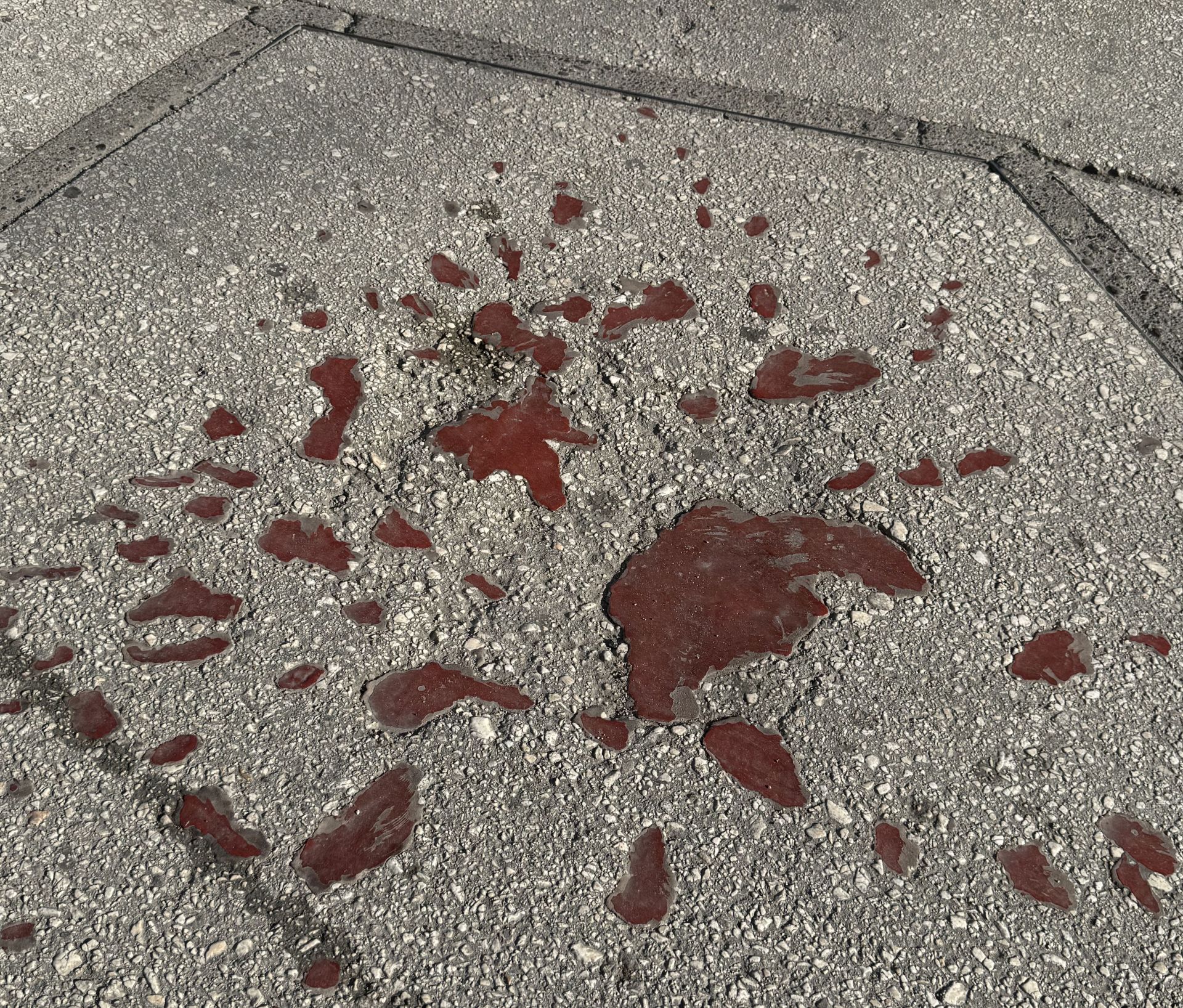
As I mentioned before, during this visit we were especially interested in war monuments and memorials. In front of the Sacred Heart Cathedral, the largest Catholic cathedral in Bosnia and Herzegovina, we found one of the many Sarajevo Roses, which look like red splatter-patterns in the pavement. These ‘Roses’ mark locations where at least three people lost their lives during the Bosnian war. Shell craters left by mortar explosions were filled with red concrete to serve as a reminder of the violence experienced during the siege of Sarajevo.
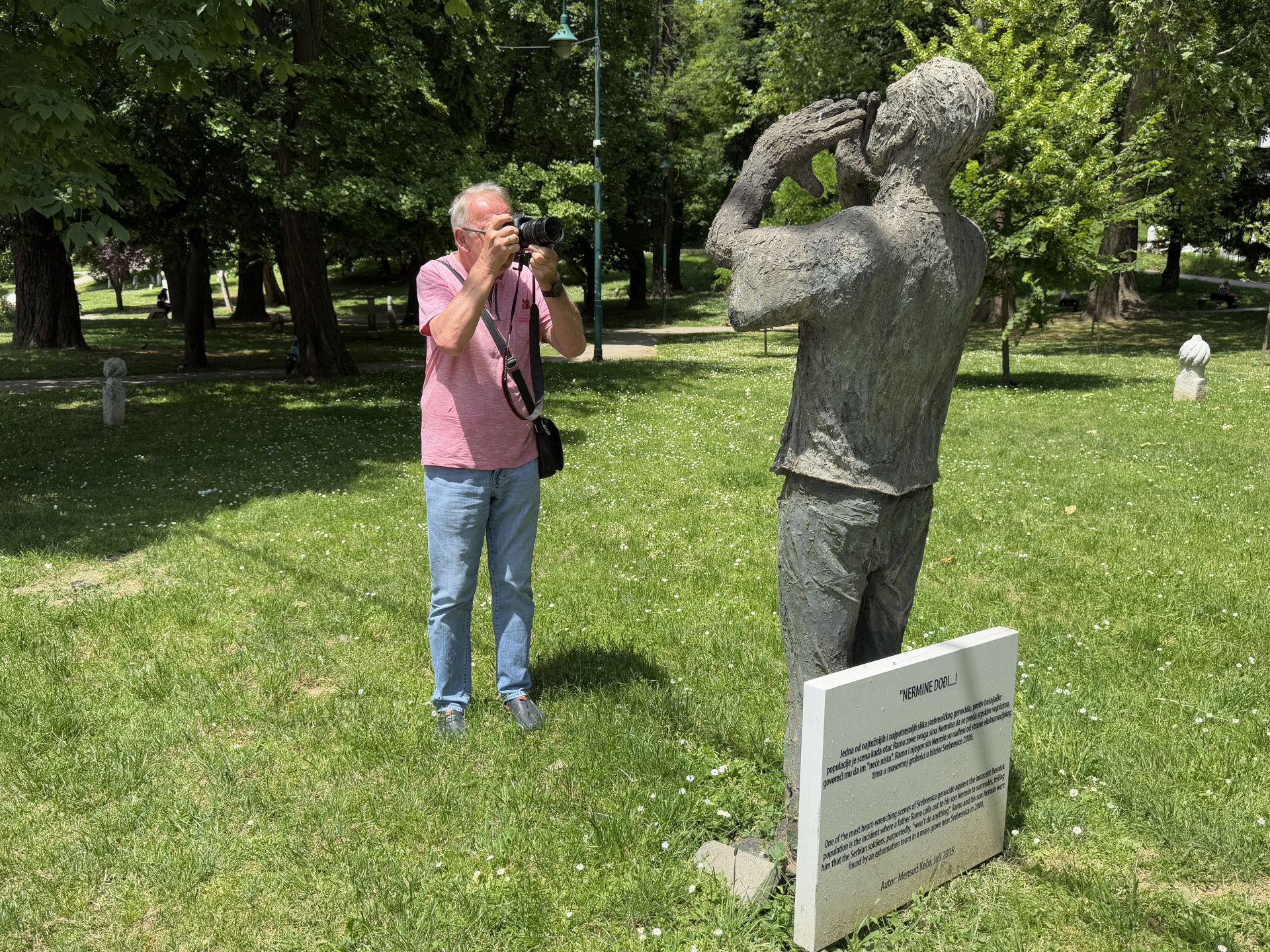
In the Veliki Park (Great Park) we saw a very powerful memorial sculpture called ‘Nermine, dođi’ (‘Nermin, come here’), created by Mensud Kečo. The story behind this monument is deeply moving. It depicts a man, Ramo Osmanović, calling out to his son Nermin to surrender to Serbian soldiers, reassuring him that nothing would happen to him. But tragically, both father and son were killed in Srebrenica and later found dead in a mass grave.
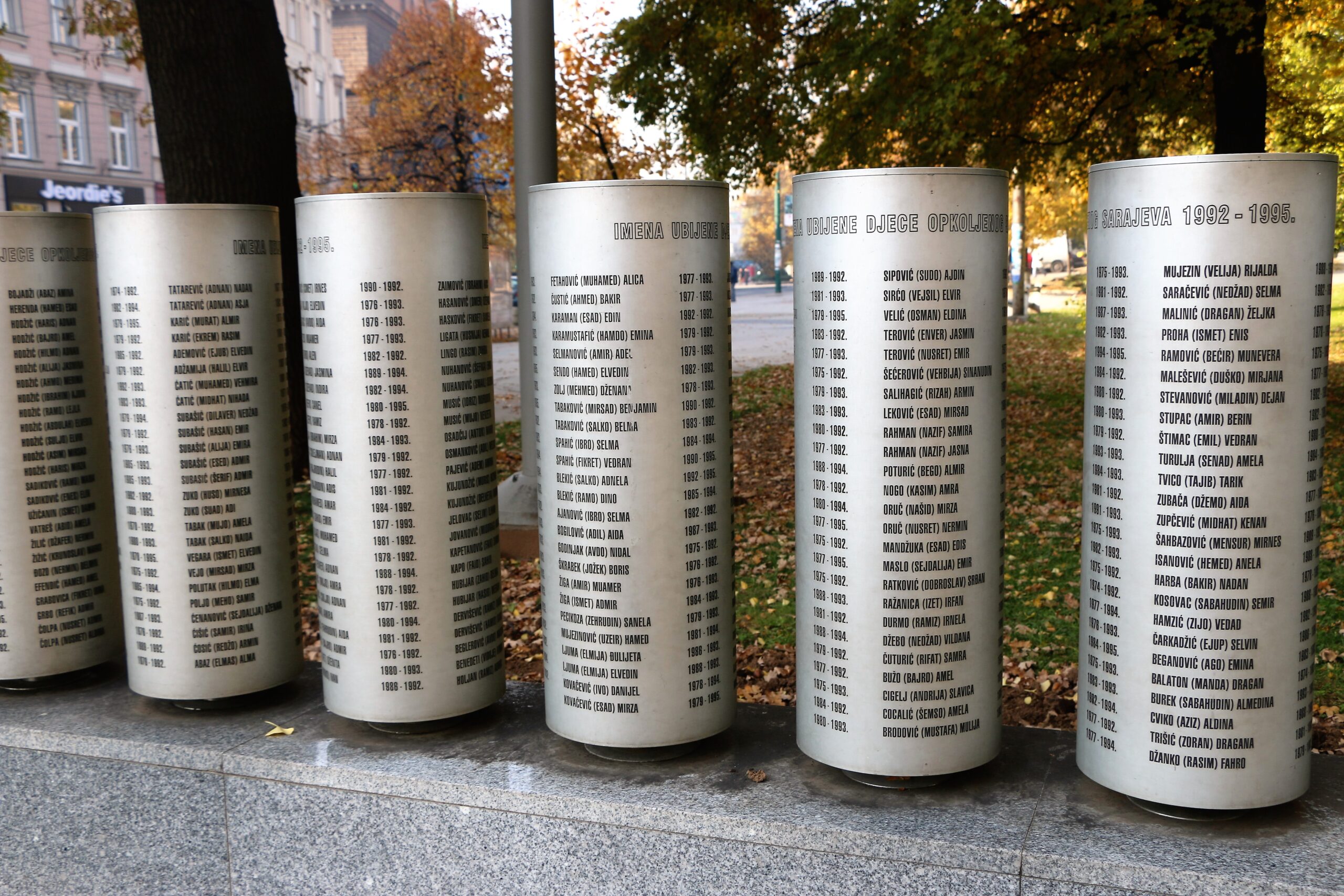
Another significant monument in the park is the Monument of the Killed Children (also designed by Mensud Kečo), which honors the memory of approximately 1,621 children who lost their lives during the siege. It consists of a circular bronze ring, made from shell casings and ammunition, and two glass sculptures inside, symbolizing a mother protecting her child. Behind the monument are seven pedestals engraved with the names of 521 children.
Roaming around the city, I was astonished to see how Sarajevo is developing. There was a sharp contrast between the huge and luxurious shopping malls, hotels and business centers – and the old and often dilapidated buildings in between them.
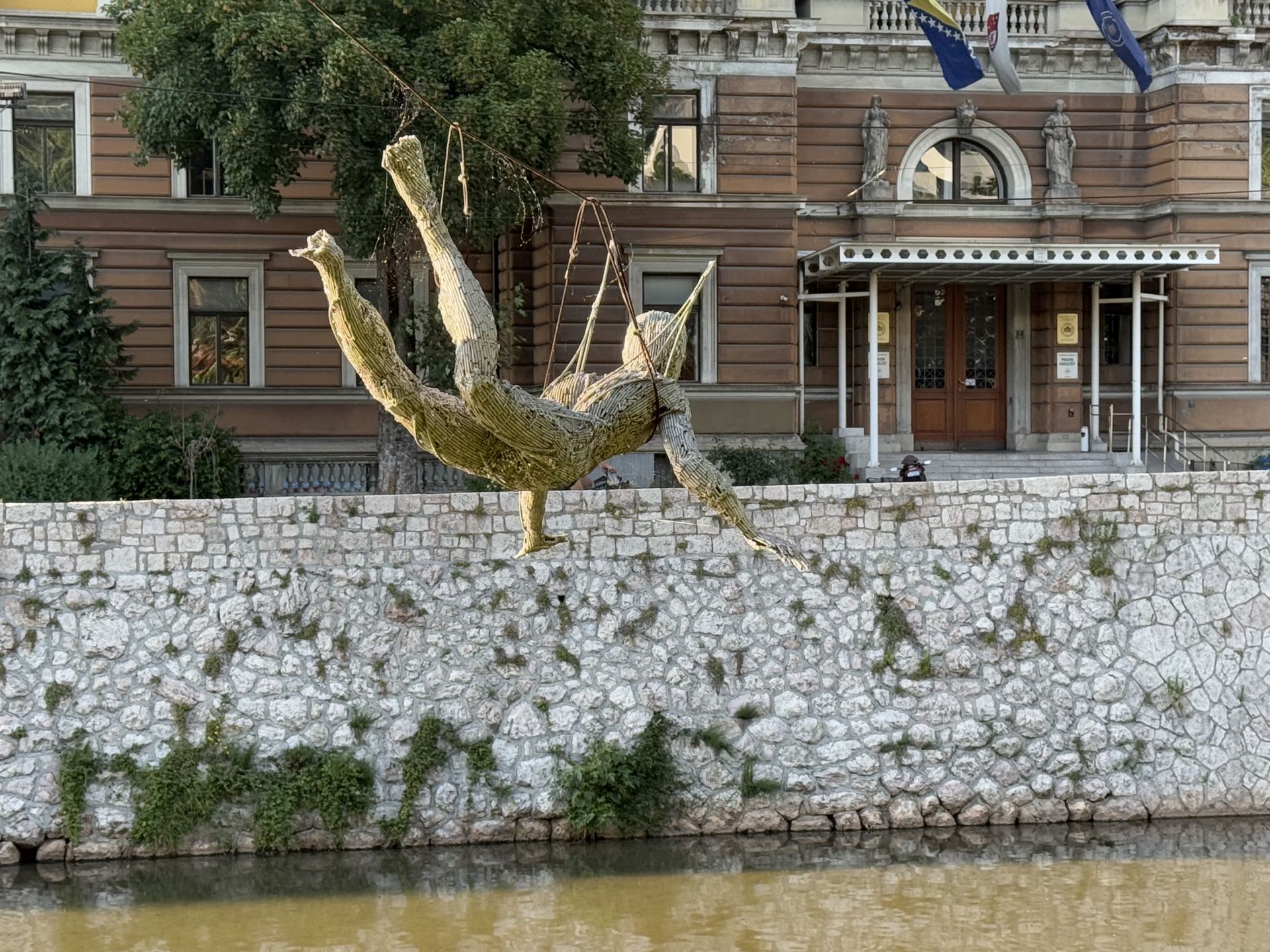
We walked along the Miljacka river and admired an installation of three sculptures hanging above the river (‘The Equilibrists’). They were created during the siege by Enes Sivac and represent the balance of life under siege and the city’s cultural defiance.
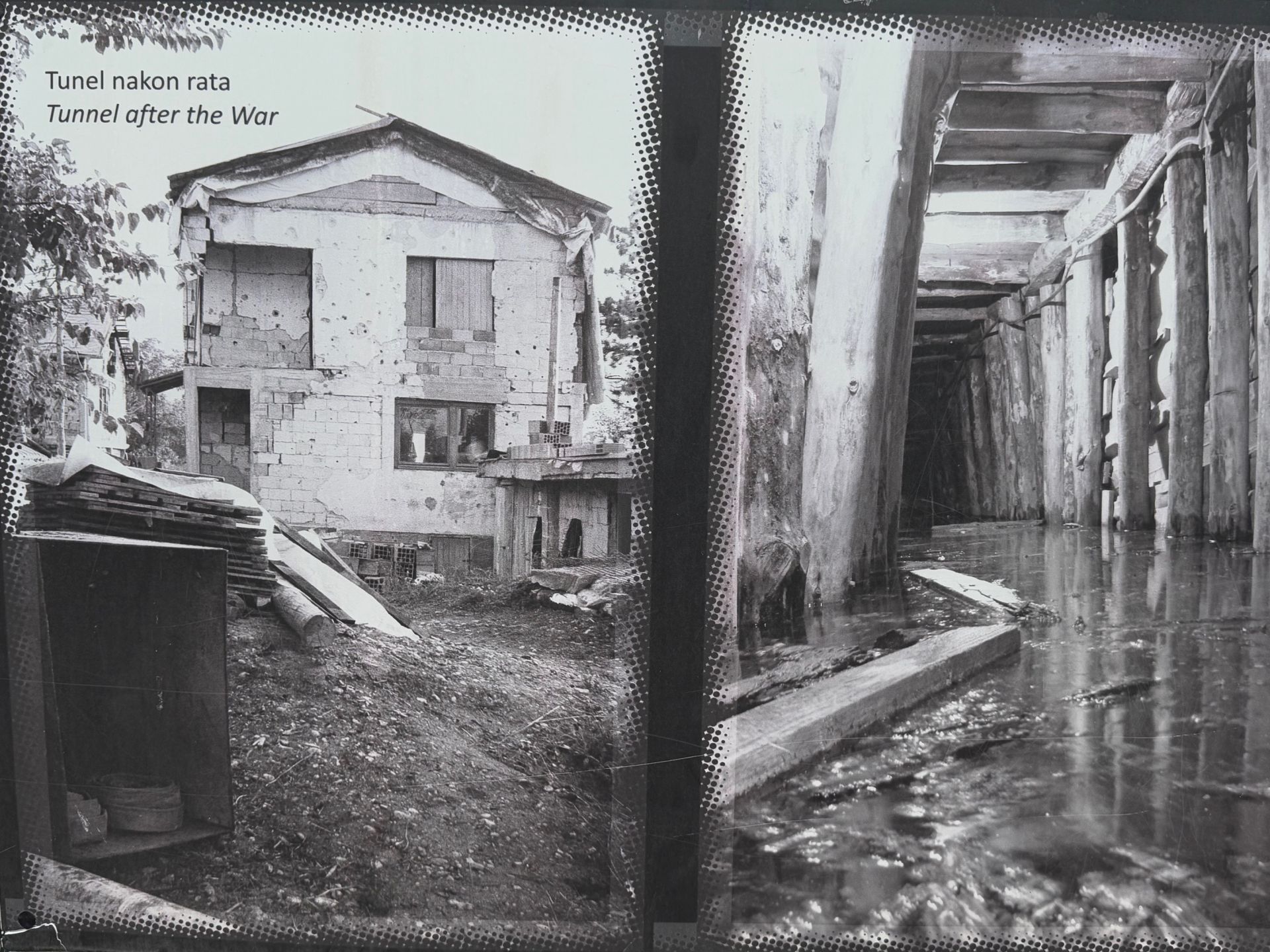
Finally, we visited the Tunnel of Salvation, also called Tunnel of Hope (entrance fee 20 KM or € 10.00 – to be paid only in KM), one of the highlights of our visit. This was an 800-meters-long tunnel under the Sarajevo airport runway, constructed to connect the besieged city with Bosnian territory. It was built between March and July 1993 under extreme difficult conditions, including constant bombing and artillery fire. Nowadays, it functions as a museum and memorial complex that educates visitors about the tunnel’s crucial role during the siege.
Saudin accompanied us and told us many details about the function of this tunnel during the siege and about his own experience. Can you imagine that the tunnel was dug by hand with simple tools? It served for the transport of food, weapons, fuel, humanitarian aid and communication. It also allowed thousands of civilians and soldiers to escape the city. On the average, 3,000 to 4,000 people and about 30 tons of goods passed through the tunnel daily.
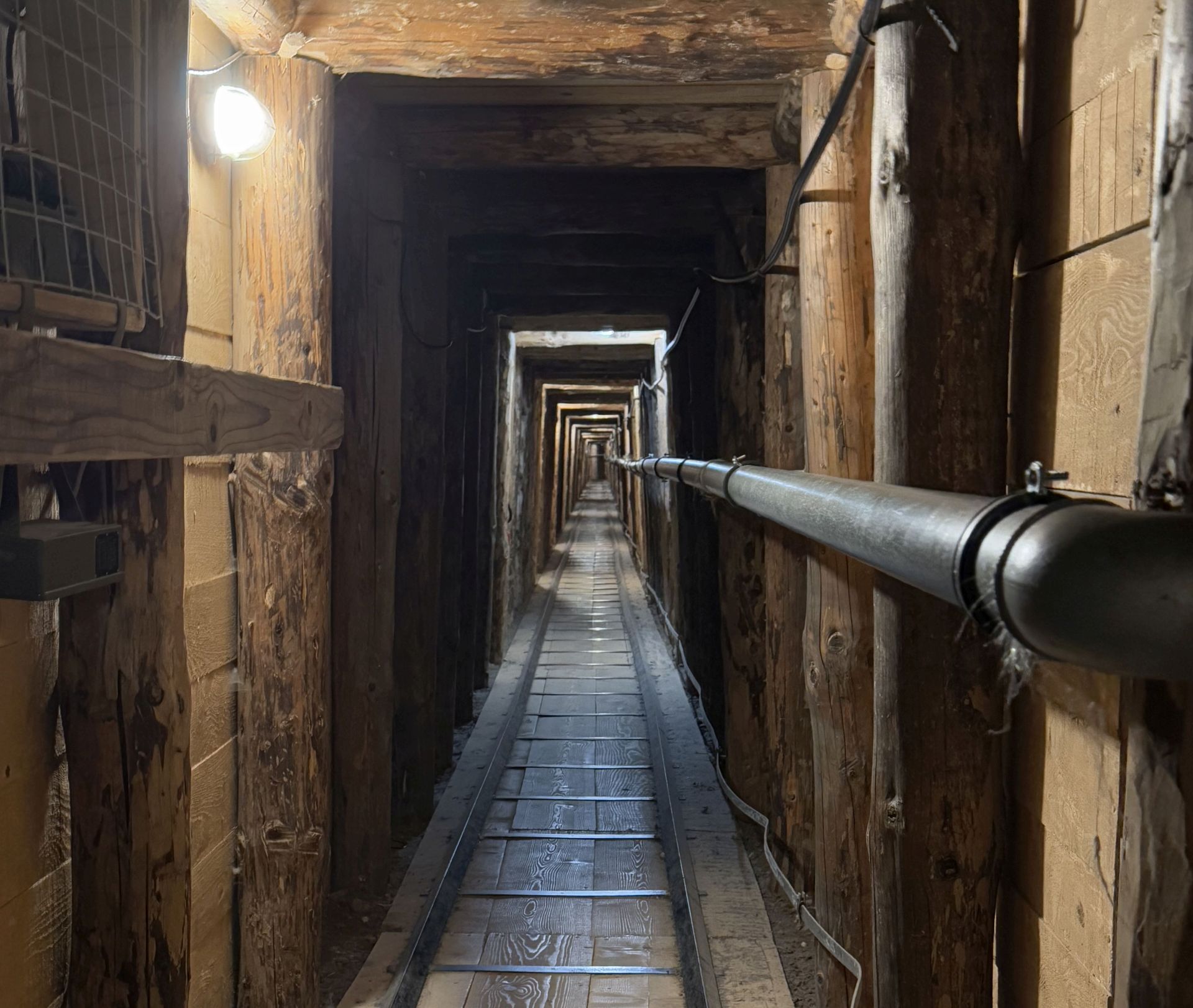
When you are walking, head down, through the short section of the narrow and dark tunnel that has been preserved, you can hardly imagine how it looked like during the siege, when people walked through with heavy backpacks even wading through knee-deep water. No wonder that the tunnel attracts over 160,000 visitors annually. Nowadays, it is sometimes questioned if the site is a serious historical site or just a tourist attraction. It is true, the tunnel is important as a place of learning and remembrance, but its commercialization by souvenir shops in the city (also the complex itself has a small gift shop) creates a certain discomfort.
We were deeply impressed by our visit to Sarajevo, although we are aware of the fact that dark tourism raises some ethical concern. Considering sites of death and disaster as commercial attractions may disrespect victims and their families by profiting from their tragedy. Some visitors take inappropriate photos, posing for selfies or ignoring site rules. Others buy faux bullets, t-shirts, mugs and magnets or take advantage of the opportunity to pose in camouflage uniforms. I think that it is necessary to find a balanced approach that respects the historical significance of war-related sites and educates visitors in a responsible manner without ignoring the commercial aspects.