Recently, I read that Bosnia & Herzegovina is becoming more and more popular as a tourist destination. Last year, it recorded an increase of 90% if compared with 2023. No wonder! There are a lot of amazing places in this country, like Sarajevo, Mostar, Blagaj, Trebinje …. but this time we wanted to travel off the beaten track and to visit some less known regions – the Bjelašnica and Visočica mountains that are located south of Sarajevo.
Although this region is obviously well-known in the ski and hiking world (you can find signposts and trail marks everywhere), most paved roads are narrow and it is not easy to find them on the map.
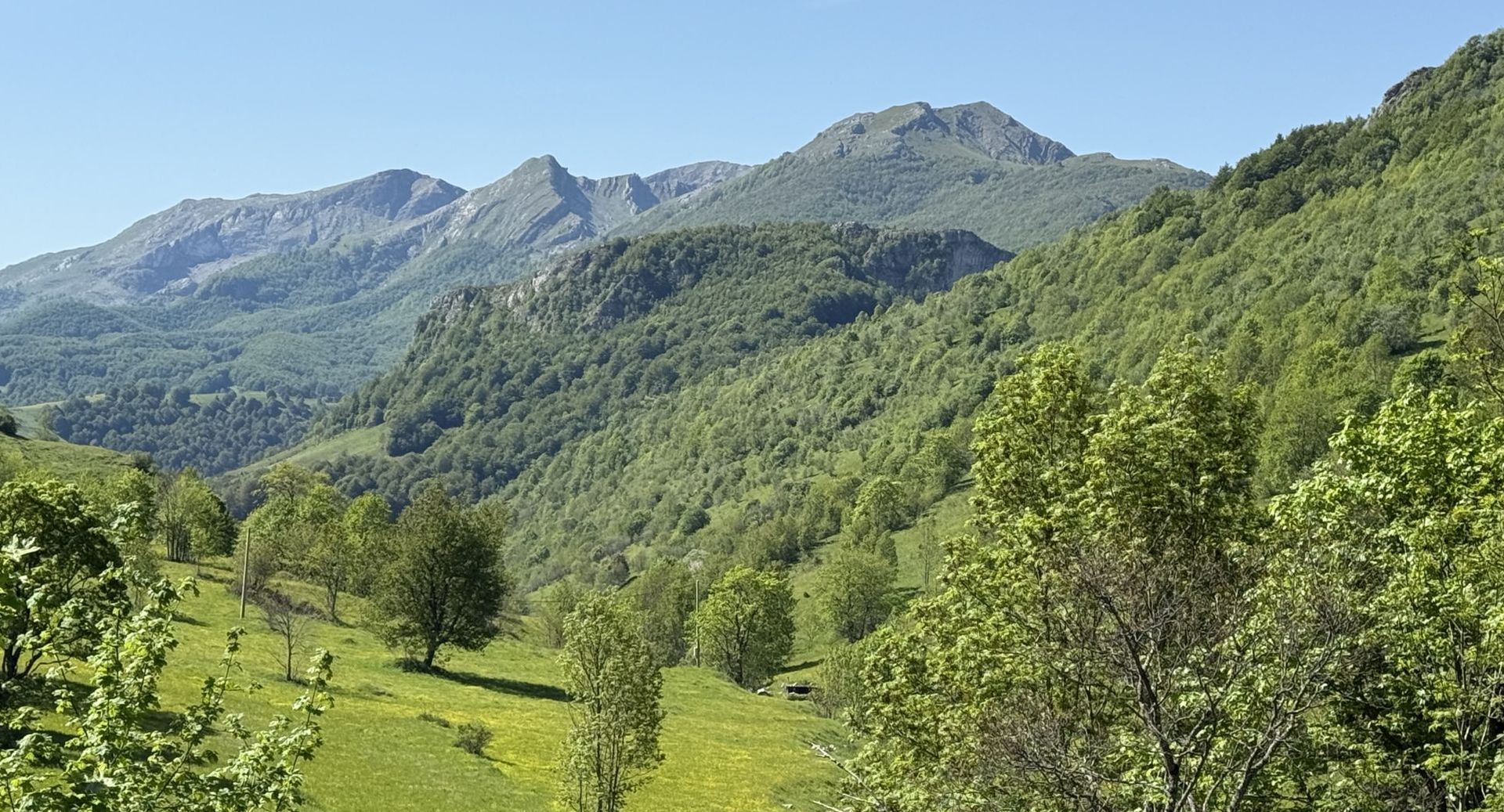
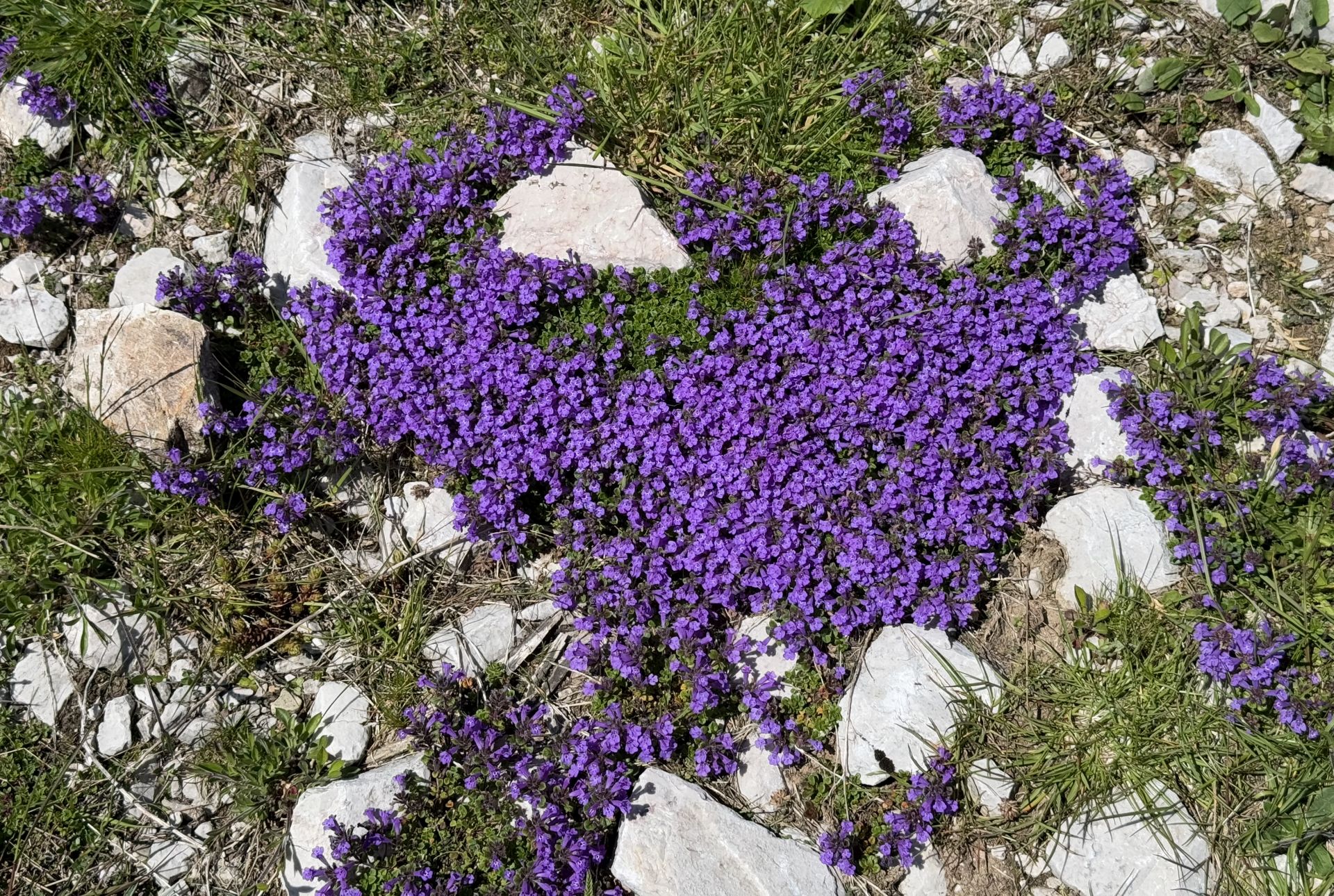
We started our trip in Sarajevo, passed Mount Igman and continued through the mountains of Bjelašnica. The highest peak of these mountains reaches 2.067 meters. Bjelašnica is well-known for its traditional villages and necropolis with medieval tombstones (’stećci’), but first of all for its natural beauties: panoramic views, wildflower meadows and dramatic canyons.
The first place we visited was Umoljani, at a 45-minute drive from Sarajevo. A new asphalt road, extremely narrow, took us uphill to this village. The scenery was breathtaking, the mountain air was pure and there was nobody around.
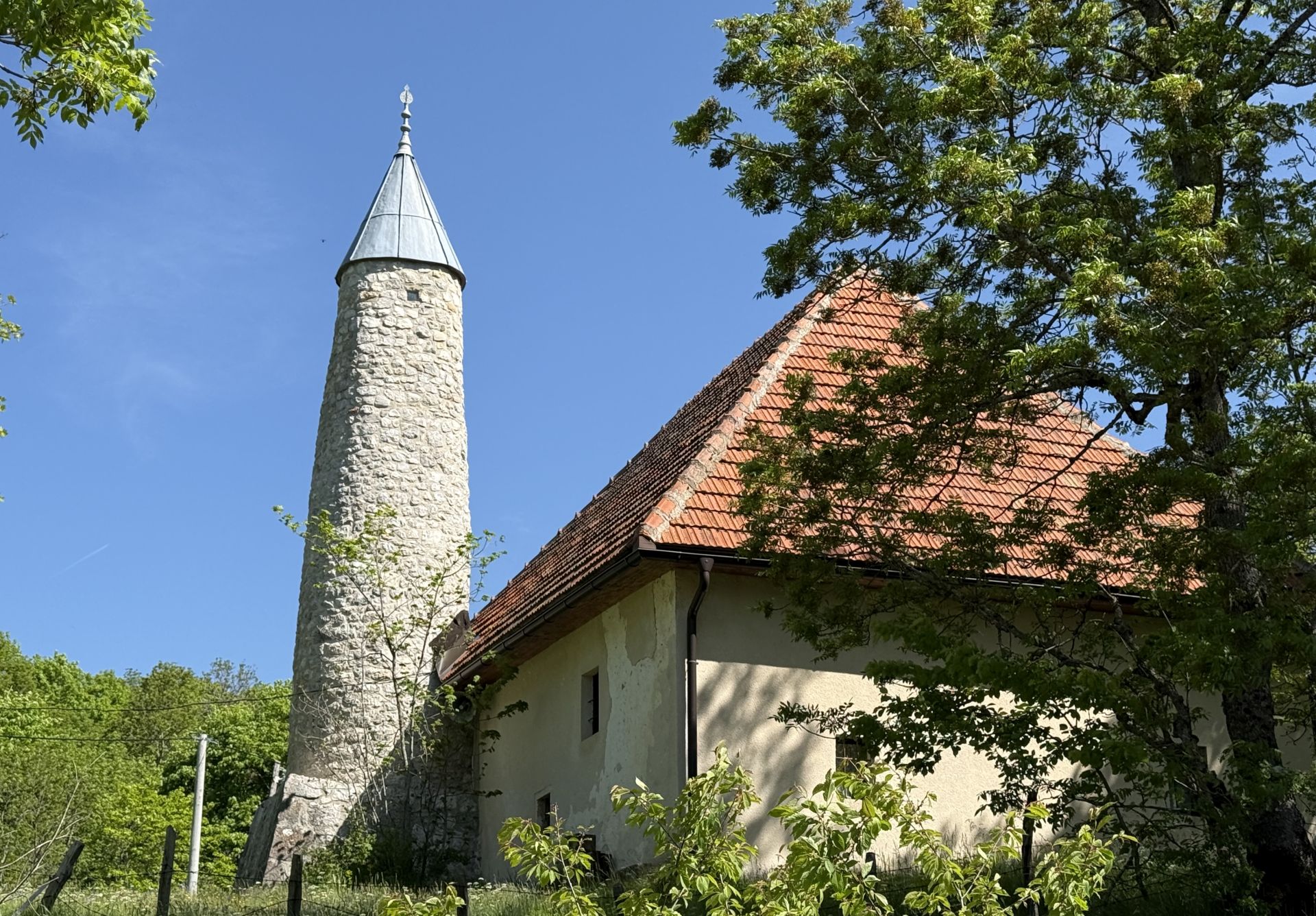
We saw an old mosque with a stone minaret, which appeared to be one of the oldest mosques in Bosnia and Herzegovina. It is said to be built in the 16th century.
By the way, there is a dramatic legend about this village that says: ’Centuries ago the villagers were terrorized by a dragon that emerged from the deep Rakitnica canyon. The local imam lured the dragon out of the canyon by reciting verses from the Qur’an, while the villagers prayed aloud. Then a miracle occurred: the dragon fled, trying to escape the power of prayers. That is why the village was called Umoljani which means ’the ones in prayer’ from the Bosnia words u (in) and moliti (to pray)’.
In the village itself, we were cordially greeted by an old woman, who offered us mountain herbs and woollen socks – of course, we bought some herbs and started a conversation. She told us that the mosque was the only building that survived the destructions of the war in the 1990s thanks to the intervention of a Serbian officer, who left a message in the mosque: ’Lazar – NE’, which meant that the mosque should be spared. Why? It is said that the officer’s son was mysteriously ill and healed by a hodža in the Umoljani mosque…This symbol of humanity also contributed to the mosque’s status as a protected national monument.
The old woman told us more about her life of hardship in the rough mountains and the terrible war events, when many villagers were killed and all houses burnt down. When she heard that we wanted to continue our trip to the traditional village of Lukomir, she warned us: the road would be tough and demanding to drive, with deep potholes.
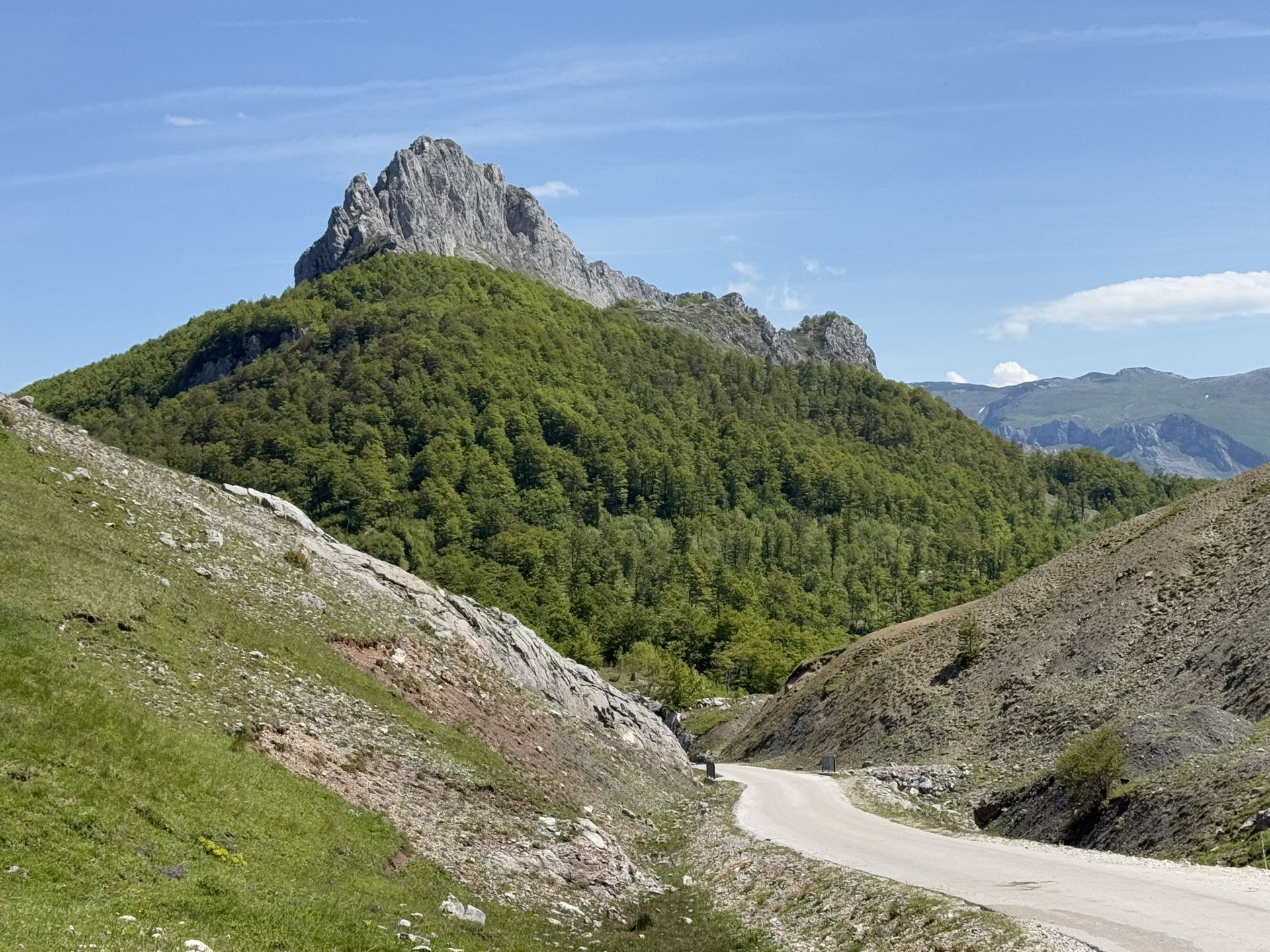
We decided to follow her advice and continue our trip towards the south, in the direction of the village of Sinanovići and the Visočica mountains. What an amazing experience! Approaching Visočica, the rough karst landscapes of Bjelašnica changed and turned into mixed beech forests with breathtaking views of the surrounding peaks. And what was especially nice: we didn’t encounter a single car….
Along the road we found many water fountains. They were traditionally constructed by local communities or families, using stone as primary building material. These fountains are often called ‘čatrnje’ and they were built to capture and store rainwater and spring water, which is a precious resource in the karst terrain of Bjelašnica.
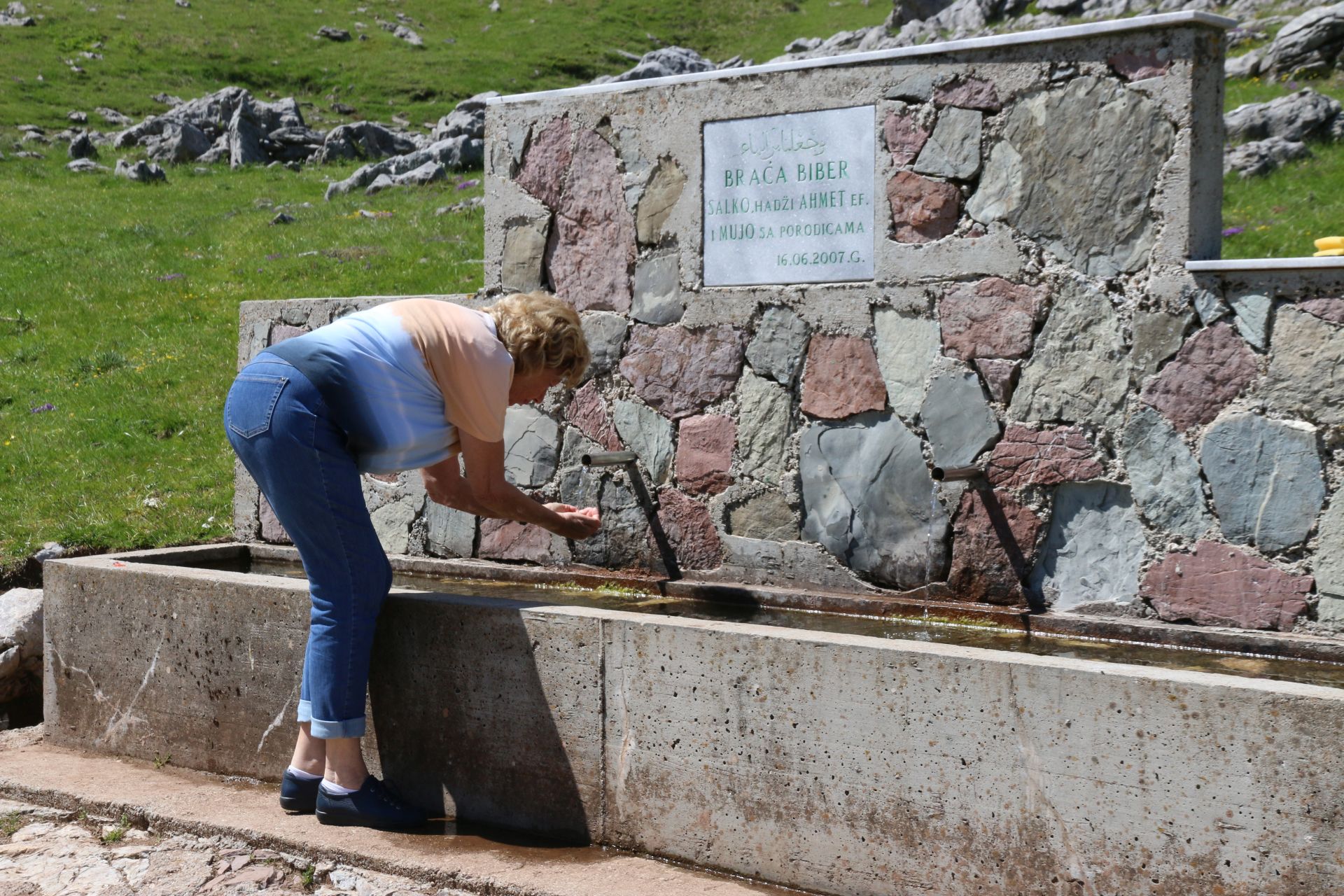
The tradition of building public fountains in Bosnia and Herzegovina dates back to the Ottoman period. Their purpose was to provide fresh water for drinking, hygiene, and animal care, especially in mountainous and rural areas where water sources are limited.
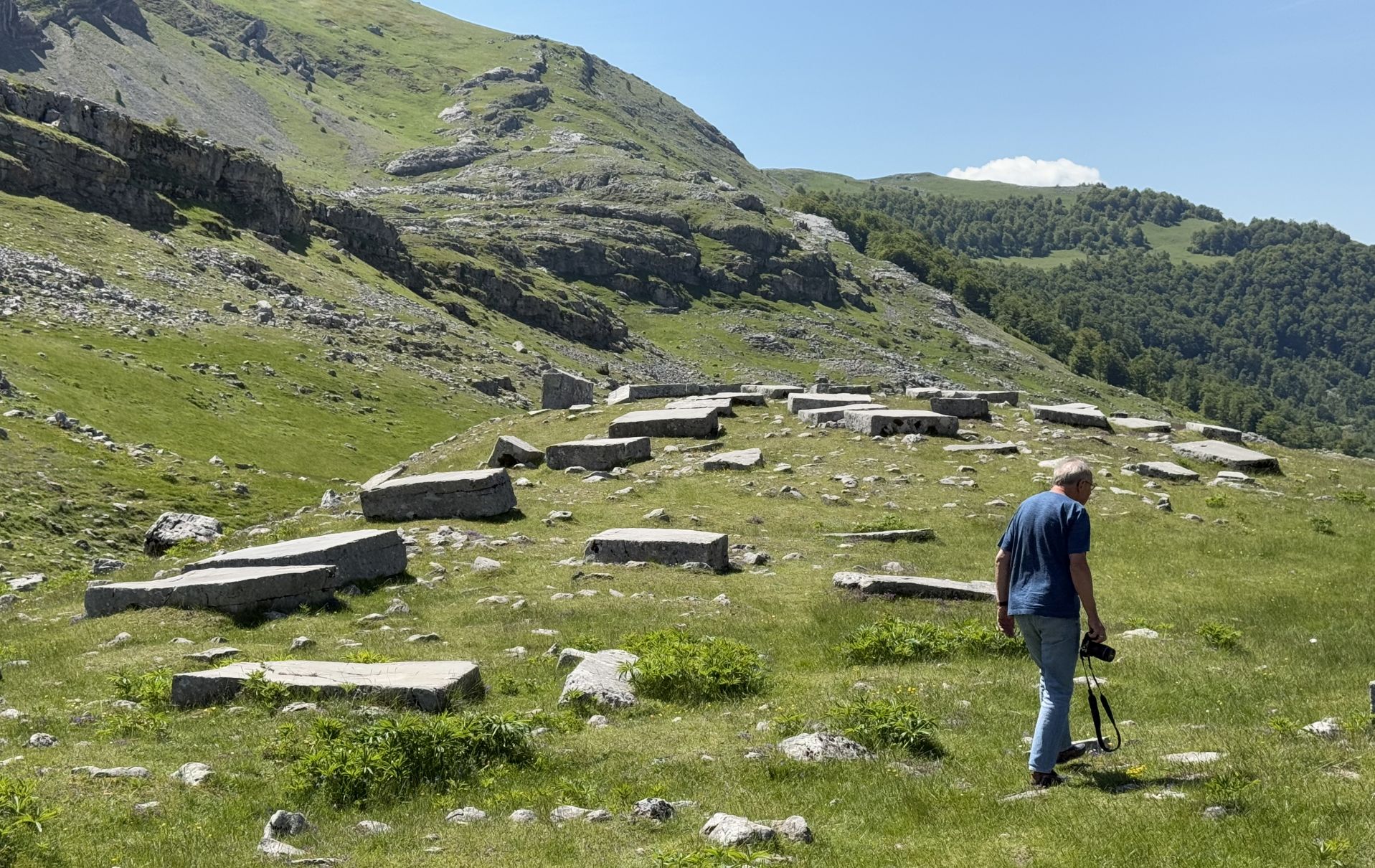
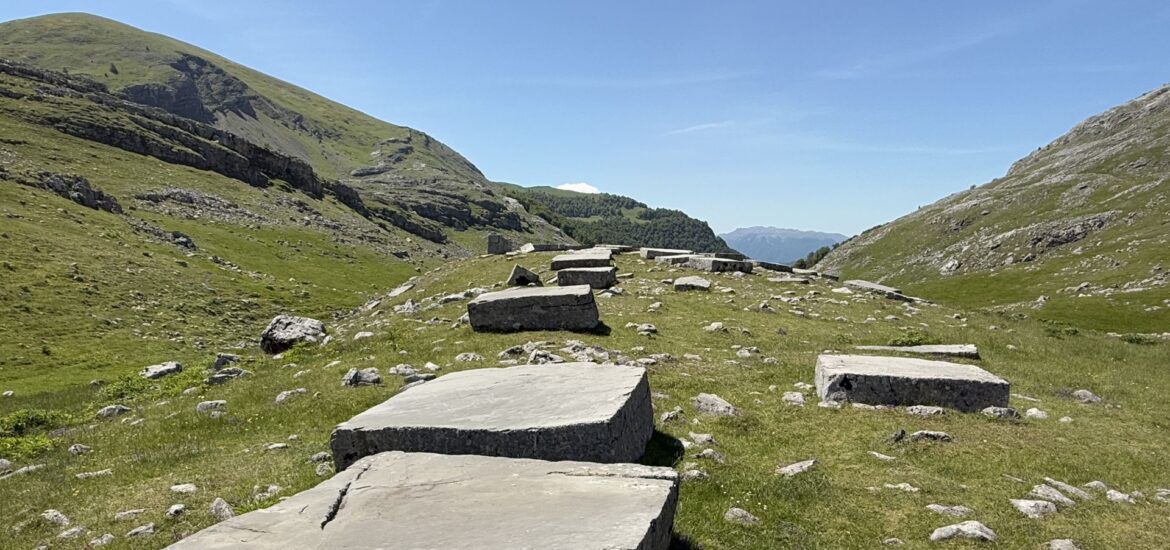
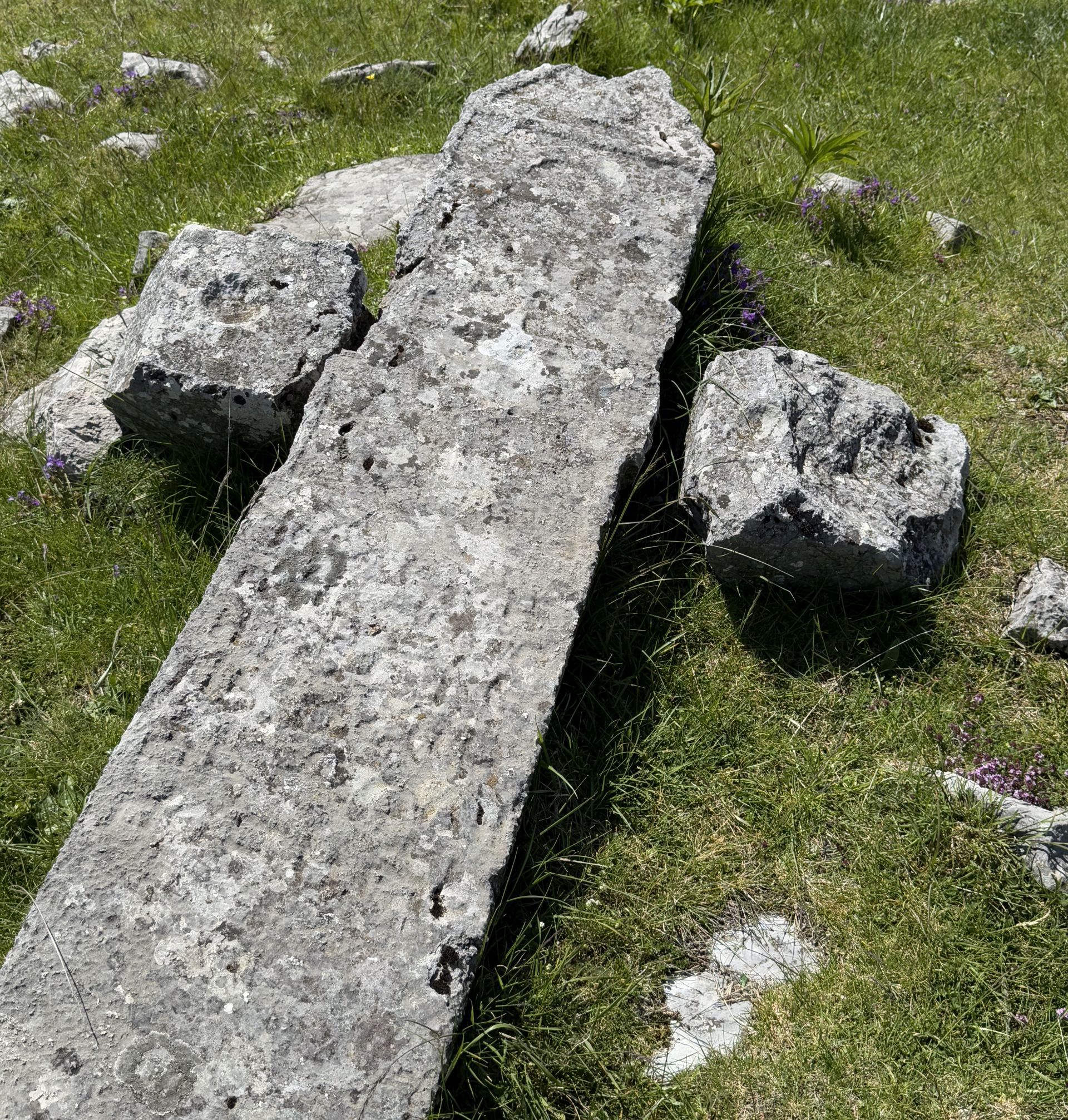
Surprisingly, after a while we saw a large necropolis on the left side of the road. There was no signpost or info-board, but via internet we learned that this was the Dolovi-Poljice necropolis with 52 medieval tombstones (’stećci’), recognized as a national monument of Bosnia and Herzegovina. Four of them were in the form of a cross, decorated with symbolic motifs and inscriptions. Such medieval tombstones are very rare: out of all ’stećci’ in Bosnia and Herzegovina, only 0.5% are crosses. They date back to the 16th century and reflect both religious symbolism and artistic evolution.
Further south, at the village of Odžaci, we joined the regional road R436 and returned to Sarajevo via Konjic. We were deeply impressed by the rough beauty of the Bjelašnica and Visočica mountains and we will certainly be back to explore them in more detail!